Average Heating Bill by State (2026): Monthly Costs + Ways to Save

Quick answer
For winter 2026–27 (November to March), the U.S. Energy Information Administration expects the average household to spend about $640 on natural gas (about $128 a month), $1,196 on electricity (about $239 a month), $1,246 on propane (about $249 a month) and $2,115 on heating oil (about $423 a month), depending on the main heating fuel. January is the most expensive month for every fuel.
The average heating bill by state swings much more than that: our estimate for a gas-heated home runs from about $60 a month in Idaho to $276 in Massachusetts (and over $400 in Hawaii, where very few homes heat with gas).
Updated October 16, 2026 with the EIA Winter Fuels Outlook 2026–27 (released October 6, 2026) and the latest EIA state price data: residential electricity for July 2026 and residential natural gas for 2025. Every number below links to its source.
What is the average heating bill by state this winter? It depends on two things you can look up (the price of your fuel in your state) and two things you control (how much heat your home loses and where you set the thermostat). This guide puts the public numbers in one place so you can see where your state stands and plan your own winter budget. If you want the thermostat to handle nightly setbacks for you, see our best smart thermostat picks and the savings estimate inside.
Below you will find the national averages for each heating fuel, a 50-state table (plus DC) with real electricity and natural gas prices, the cheapest and most expensive states, a simple way to estimate your own bill, what a space heater adds per month, and 10 low-cost ways to cut heating costs.
Average heating bill in winter 2026–27 by fuel
The EIA Winter Fuels Outlook 2026–27 groups U.S. homes by their main heating fuel and forecasts what each group will spend from November through March. These are the national averages for the average heating bill this season:
| Main heating fuel | Homes using it (2026) | Winter total (Nov–Mar) | Average per month | January (peak) | Change vs last winter |
|---|---|---|---|---|---|
| Natural gas | 61.0 million | $640 | $128 | $146 | −9% |
| Electricity | 57.9 million | $1,196 | $239 | $270 | +4% |
| Propane | 6.4 million | $1,246 | $249 | $302 | −3% |
| Heating oil | 4.1 million | $2,115 | $423 | $509 | +21% |
Two details matter when you read this table. First, EIA’s figures cover all uses of the main heating fuel, not just the furnace. A gas-heated home also uses gas for hot water and cooking, and an electric-heated home’s number is its whole winter electric bill. Second, EIA itself warns that the averages are a guide to compare winters, not proof that switching fuels would save you money, because homes that use each fuel differ in size and climate.
Behind the totals are EIA’s forecast winter prices: natural gas at $13.44 per thousand cubic feet (Mcf), electricity at 18.23¢ per kWh, propane at $2.52 per gallon and heating oil at $5.26 per gallon. EIA expects heating oil prices to average 34% more than last winter because of tight global distillate supply, which is why oil-heated homes in the Northeast face the biggest jump.
Average heating bill by state: 50-state table
The table below shows real residential energy prices for all 50 states and DC, plus our estimated monthly winter bill for a typical home that heats with natural gas or with electricity. Tap any column header to sort it. To jump to your state, add its name to the page address, for example #texas or #new-york.
| State | Electricity price, Jul 2026 (¢/kWh) | Electricity price, Jan–Jul 2026 avg (¢/kWh) | Natural gas price, 2025 avg ($/Mcf) | Estimate: monthly winter bill, gas-heated home | Estimate: monthly winter bill, electric-heated home |
|---|---|---|---|---|---|
| Alabama | 16.40¢ | 16.54¢ | $17.56 | $126 | $227 |
| Alaska | 28.83¢ | 27.09¢ | $12.96 | $101 | $305 |
| Arizona | 15.38¢ | 15.44¢ | $18.58 | $145 | $174 |
| Arkansas | 14.33¢ | 13.61¢ | $19.25 | $139 | $186 |
| California | 33.61¢ | 33.25¢ | $22.01 | $172 | $374 |
| Colorado | 17.00¢ | 16.72¢ | $11.17 | $87 | $188 |
| Connecticut | 24.16¢ | 27.97¢ | $16.83* | $185 | $350 |
| Delaware | 18.48¢ | 17.86¢ | $15.97 | $115 | $245 |
| District of Columbia | 25.21¢ | 24.66¢ | $16.68 | $120 | $338 |
| Florida | 15.03¢ | 15.30¢ | $25.48 | $183 | $210 |
| Georgia | 16.27¢ | 15.40¢ | $20.42 | $147 | $211 |
| Hawaii | 48.00¢ | 46.28¢ | $52.38 | $409 | $521 |
| Idaho | 13.73¢ | 12.96¢ | $7.69 | $60 | $146 |
| Illinois | 19.22¢ | 19.22¢ | $11.25 | $133 | $314 |
| Indiana | 16.73¢ | 17.04¢ | $11.49 | $136 | $279 |
| Iowa | 15.99¢ | 14.20¢ | $10.61 | $125 | $232 |
| Kansas | 15.27¢ | 15.21¢ | $14.81 | $175 | $249 |
| Kentucky | 13.81¢ | 14.27¢ | $14.23 | $102 | $195 |
| Louisiana | 12.72¢ | 13.35¢ | $17.39 | $125 | $183 |
| Maine | 32.41¢ | 29.99¢ | $18.95* | $208 | $375 |
| Maryland | 21.41¢ | 21.30¢ | $16.14* | $116 | $292 |
| Massachusetts | 30.49¢ | 30.14¢ | $25.06 | $276 | $377 |
| Michigan | 23.05¢ | 21.53¢ | $10.92 | $129 | $352 |
| Minnesota | 17.45¢ | 16.25¢ | $10.98 | $130 | $266 |
| Mississippi | 14.54¢ | 15.19¢ | $16.65 | $120 | $208 |
| Missouri | 16.09¢ | 13.96¢ | $14.94 | $176 | $228 |
| Montana | 14.99¢ | 13.95¢ | $8.99 | $70 | $157 |
| Nebraska | 13.78¢ | 12.90¢ | $11.40 | $135 | $211 |
| Nevada | 12.77¢ | 13.53¢ | $13.14 | $102 | $152 |
| New Hampshire | 26.60¢ | 26.79¢ | $18.61 | $205 | $335 |
| New Jersey | 25.19¢ | 23.98¢ | $14.21 | $156 | $300 |
| New Mexico | 16.09¢ | 15.08¢ | $9.83 | $77 | $170 |
| New York | 29.90¢ | 29.38¢ | $17.58 | $193 | $367 |
| North Carolina | 15.16¢ | 14.94¢ | $16.42* | $118 | $205 |
| North Dakota | 13.41¢ | 12.36¢ | $9.50 | $112 | $202 |
| Ohio | 19.45¢ | 18.70¢ | $13.85 | $163 | $306 |
| Oklahoma | 14.35¢ | 13.58¢ | $14.38 | $104 | $186 |
| Oregon | 15.97¢ | 15.40¢ | $16.71 | $130 | $173 |
| Pennsylvania | 21.72¢ | 21.04¢ | $15.04 | $165 | $263 |
| Rhode Island | 28.29¢ | 29.22¢ | $21.66* | $238 | $365 |
| South Carolina | 15.47¢ | 15.93¢ | $16.91* | $122 | $218 |
| South Dakota | 15.37¢ | 14.50¢ | $9.86 | $116 | $237 |
| Tennessee | 13.71¢ | 13.87¢ | $11.84 | $85 | $190 |
| Texas | 15.88¢ | 16.06¢ | $19.42 | $140 | $220 |
| Utah | 13.12¢ | 13.16¢ | $10.19 | $79 | $148 |
| Vermont | 23.75¢ | 23.95¢ | $18.00 | $198 | $299 |
| Virginia | 17.55¢ | 16.83¢ | $16.79 | $121 | $231 |
| Washington | 14.71¢ | 14.40¢ | $17.62 | $137 | $162 |
| West Virginia | 15.78¢ | 15.47¢ | $13.80 | $99 | $212 |
| Wisconsin | 19.06¢ | 19.00¢ | $10.74 | $127 | $311 |
| Wyoming | 14.36¢ | 13.95¢ | $11.74 | $92 | $157 |
| U.S. average | 18.31¢ | 18.19¢ | $15.34 | $128 (EIA) | $239 (EIA) |
Sources: electricity prices from EIA Electric Power Monthly, Table 5.6.A (July 2026) and Table 5.6.B (January–July 2026), released September 24, 2026. Natural gas prices from EIA Natural Gas Prices, residential, annual 2025. *EIA has not published a 2025 average for Connecticut, Maine, Maryland, North Carolina, Rhode Island or South Carolina, so the 2024 average is shown and used. U.S. bill averages come from the EIA Winter Fuels Outlook 2026–27. The two “Estimate” columns are our own calculation (method below), not EIA figures.
How we estimated the monthly winter bill
EIA does not publish a heating bill for each state, so we built a transparent estimate from EIA’s own numbers. The EIA Winter Fuels Outlook 2026–27 lists how much gas and electricity an average heating household in each Census region uses from November to March:
| Census region | Gas-heated home: winter gas use | Electric-heated home: winter electricity use |
|---|---|---|
| Northeast | 55 Mcf | 6,252 kWh |
| Midwest | 59 Mcf | 8,178 kWh |
| South (incl. DC) | 36 Mcf | 6,849 kWh |
| West (incl. Alaska and Hawaii) | 39 Mcf | 5,624 kWh |
- Gas-heated home estimate = (region’s winter gas use ÷ 5 months) × your state’s 2025 average residential gas price. Example for Ohio (Midwest): 59 ÷ 5 = 11.8 Mcf a month × $13.85 = about $163 a month.
- Electric-heated home estimate = (region’s winter electricity use ÷ 5 months) × your state’s January–July 2026 average residential electricity price. Example for Texas (South): 6,849 ÷ 5 = 1,370 kWh a month × 16.06¢ = about $220 a month.
Keep the limits in mind. Each state gets its region’s average usage, so a state colder than its region (Minnesota, Maine) will likely run higher than shown, and a milder one (Florida, Hawaii, Southern California) lower. Hawaii and Florida have high gas prices but few homes that heat with gas. The electric estimate is the whole winter electric bill of an electric-heated home, including lights and appliances, and homes with heat pumps usually use far less than homes with baseboard or furnace resistance heat. Prices also move: annual gas prices include summer months, when the fixed monthly charge is spread over less gas, so the per-Mcf price is higher.
Cheapest and most expensive states for heating
Sorting the table shows a clear pattern in the average heating bill by state: the Mountain West has the cheapest gas, New England and the Pacific have the priciest electricity, and the colder Northeast pays the most overall.
| Rank | Lowest estimated bill, gas-heated home | Highest estimated bill, gas-heated home |
|---|---|---|
| 1 | Idaho – $60/month | Hawaii – $409/month (very few gas-heated homes) |
| 2 | Montana – $70 | Massachusetts – $276 |
| 3 | New Mexico – $77 | Rhode Island – $238* |
| 4 | Utah – $79 | Maine – $208* |
| 5 | Tennessee – $85 | New Hampshire – $205 |
| Rank | Lowest estimated bill, electric-heated home | Highest estimated bill, electric-heated home |
|---|---|---|
| 1 | Idaho – $146/month | Hawaii – $521/month |
| 2 | Utah – $148 | Massachusetts – $377 |
| 3 | Nevada – $152 | Maine – $375 |
| 4 | Montana – $157 | California – $374 |
| 5 | Wyoming – $157 | New York – $367 |
A word of caution on the West: EIA expects this winter to be much colder there than last year, with heating degree days up 25%, so Idaho, Utah and Montana may see higher bills than last winter even with low prices. The Northeast is forecast to be milder. If you live in a cold Midwest state such as Minnesota, Wisconsin or Michigan, gas is relatively cheap but usage is the highest in the country, which is why those homes still pay $125 to $135 a month on our gas estimate.
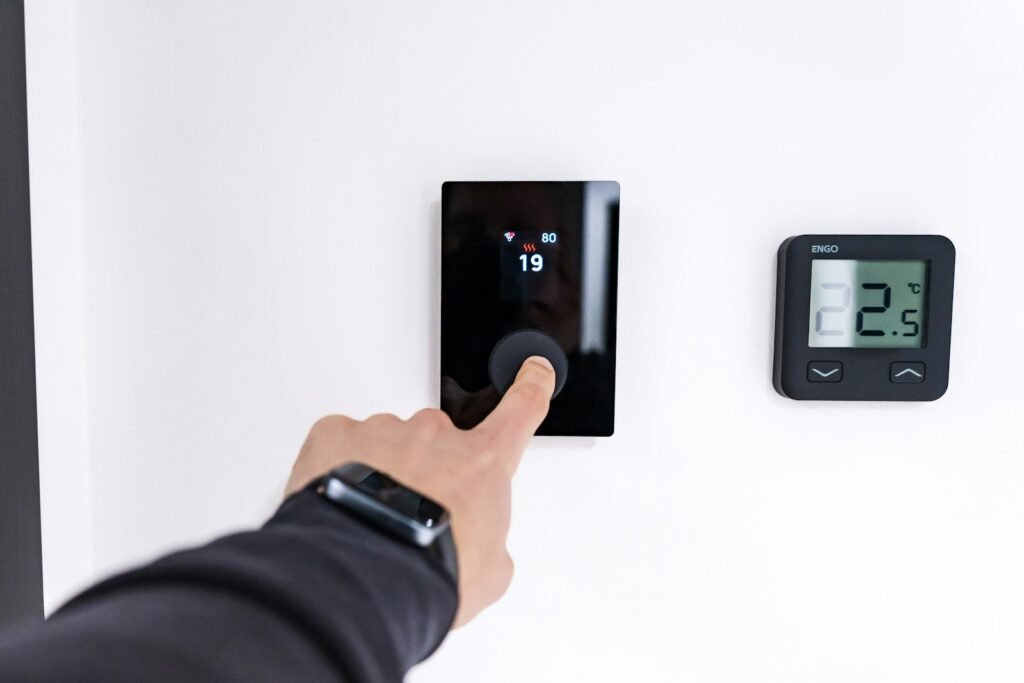
How much is heating per month for your home? Estimate it in 5 steps
The averages are a starting point, but your own bill is easy to estimate with last winter’s statements. Here is how much heating per month is likely to cost you:
- Find your usage. Look at last December, January and February on your gas or electric bill and write down the units used (therms or Ccf for gas, kWh for electricity). Many utilities show a 12-month usage chart online.
- Find your current price. Divide the total bill (with delivery charges and taxes) by the units used. That all-in price is more accurate than the state averages above. If you do not have a bill, use your state’s price from the table.
- Separate heating from everything else. Subtract a typical summer month (no heating or cooling) from a winter month. The difference is roughly your heating cost.
- Adjust for this winter. Use EIA’s national changes as a rough guide: about −9% for natural gas, +4% for electricity, −3% for propane and +21% for heating oil versus last winter.
- Add your extras. Space heaters, a heated garage or an electric blanket add to the bill. Use the space heater math below for each one.
Gas bills are often in therms. One Mcf (thousand cubic feet) holds about 10.37 therms on average according to EIA’s unit conversion FAQ, so a $13.85 per Mcf price is about $1.34 per therm.
Space heater cost per month
A space heater is the most common way to add heat to one room, and its cost is simple math because almost every plug-in electric heater turns 100% of its electricity into heat. Most models top out at 1,500 watts (1.5 kW) on high. Space heater cost per month = 1.5 kW × hours per day × 30 days × your electricity price. Our oil filled heater cost to run breakdown applies the same math to quiet radiator heaters.
Worked example at the U.S. average residential price of 18.31¢ per kWh (EIA, July 2026): a 1,500 W heater running 8 hours a day uses 12 kWh a day, or 360 kWh a month. 360 × $0.1831 = about $66 a month, or about $2.20 a day and 27¢ an hour.
| Hours per day at 1,500 W | kWh per month | U.S. average (18.31¢) | Idaho (13.73¢) | California (33.61¢) |
|---|---|---|---|---|
| 2 hours | 90 kWh | $16 | $12 | $30 |
| 4 hours | 180 kWh | $33 | $25 | $60 |
| 8 hours | 360 kWh | $66 | $49 | $121 |
| 12 hours | 540 kWh | $99 | $74 | $181 |
So is a space heater cheaper than central heat? It can be if you heat one room and turn the central thermostat down for the rest of the house. It is usually not cheaper if you run several heaters while the furnace also runs. Always follow the NFPA heating safety tips: keep the heater 3 feet from anything that can burn, plug it straight into a wall outlet, and turn it off when you leave the room or go to sleep.
Winter heating costs 2026: 10 ways to cut your bill
Prices are out of your hands, but usage is not. These steps cost little or nothing and work whether you heat with gas, electricity, propane or oil. Most of them come straight from the U.S. Department of Energy’s winter energy-saving tips.
- Turn the thermostat down when you are asleep or away. Heat only when people are home. A programmable or smart thermostat does this for you; otherwise lower it by hand before bed and before work.
- Block door drafts. A gap under an exterior door leaks warm air all day. A slide-on stopper is the cheapest fix; see our silicone door draft stopper review for how they fit and what to check before you buy.
- Hang insulated curtains. Close them at night and on cloudy days, and open south-facing ones on sunny afternoons for free heat. Our thermal insulated curtains review covers sizing and how to hang them so they seal at the sides.
- Seal windows. Caulk fixed gaps, add weatherstripping to the parts that move, and use clear window film on old single-pane glass.
- Change the furnace filter. Check it every month in winter and replace it at least every three months, as the Department of Energy recommends. A clogged filter makes the system run longer.
- Reverse your ceiling fans. Set them to spin clockwise on low to push warm air down from the ceiling, and switch them off when the room is empty.
- Heat the room, not the house. Close vents and doors in unused rooms (without blocking returns), and use one space heater safely in the room you are in while the central thermostat stays lower.
- Layer up the bed and sofa. Flannel sheets, a heavier comforter and a throw on the couch let you live comfortably a few degrees cooler.
- Winterize before the first freeze. Our guide to winterizing your home on a budget walks through the attic, outlets, pipes and outdoor faucets in one weekend. Renters can use our tips on how to keep an apartment warm.
- Service or replace an old furnace. A yearly tune-up keeps an older unit running efficiently. If yours is near the end of its life, our furnace replacement cost guide shows 2026 prices and when a high-efficiency model pays off.
If a high bill is already a problem, call your utility before you fall behind. Most offer budget billing that spreads winter costs over 12 months, and many states run the federal Low Income Home Energy Assistance Program (LIHEAP) through local agencies.
Average heating bill: frequently asked questions
How much is heating per month on average?
For winter 2026–27, EIA expects homes that heat with natural gas to spend about $640 from November to March, or about $128 a month. Electric-heated homes average about $239 a month, propane about $249 and heating oil about $423. January is the most expensive month for every fuel.
What is the average heating bill by state?
It varies a lot. Our estimate for a gas-heated home runs from about $60 a month in Idaho to about $276 in Massachusetts, and for an electric-heated home from about $146 in Idaho to $377 in Massachusetts (Hawaii is higher on both but uses little heat). The full 50-state table above shows each state.
Which state has the highest heating bills?
Among the mainland states, Massachusetts has the highest estimated bills for both gas-heated and electric-heated homes, followed by other New England states, New York and California for electricity. Hawaii has the highest prices but very few homes need much heat.
Which state has the cheapest heating?
Idaho has the lowest residential natural gas price in EIA’s 2025 data ($7.69 per Mcf) and one of the lowest electricity prices, so it tops both of our cheapest lists. Montana, Utah, New Mexico and Wyoming are also low.
How much does a space heater cost per month?
A 1,500-watt space heater running 8 hours a day uses 360 kWh a month. At the U.S. average residential price of 18.31 cents per kWh (EIA, July 2026), that is about $66 a month. Four hours a day costs about $33. To pick a model with a thermostat and ECO mode, see our guide to the best energy efficient space heater picks for bedrooms and living rooms.
Will winter heating costs go up in 2026?
It depends on your fuel. EIA expects winter spending to fall about 9% for natural gas and 3% for propane, but rise about 4% for electricity and 21% for heating oil compared with last winter.
Sources: EIA Winter Fuels Outlook 2026–27 (October 6, 2026); EIA Today in Energy, “Mixed outlook for energy expenditures this winter” (October 7, 2026); EIA Electric Power Monthly Table 5.6.A (July 2026 data) and Table 5.6.B (January–July 2026); EIA residential natural gas prices (2025 annual); EIA natural gas unit conversion FAQ; U.S. Department of Energy; NFPA. State bill columns are our estimates, not quotes. See how we research costs.
Latest Posts
 Best Boot Tray for Winter (2026): 8 Picks for Snowy, Muddy Entryways
 Best Watch Winder for Automatic Watches (2026): 7 Quiet Picks and a Gift Guide for Him
 Best Ice Ball Maker for Whiskey: 8 Clear Picks (2026 Gift Guide)
 Best Luxury Hair Perfume for Women: 8 Designer Hair Mists Worth Gifting (2026)
 Best Garment Racks With Covers (2026): Rolling, Heavy-Duty and Dust-Proof Clothes Racks
 Best Tennis Bracelets on Amazon (2026): CZ, Moissanite and Lab-Grown Diamond Gifts for Her