Types of Christmas Trees: Which Real Tree Is Best?
Quick answer
The most popular real Christmas trees are Fraser fir, Noble fir, Balsam fir, Douglas fir, Nordmann fir, Scotch pine and spruce. Fraser and Noble firs hold needles longest and have strong branches; Balsam fir smells the strongest; Douglas fir and Scotch pine cost less; spruces drop needles soonest.
Firs, pines and spruces all look like Christmas trees, but they differ a lot in scent, needle drop, branch strength and price. Here is how the most common real Christmas tree types compare and which one is right for you. Updated for 2026.
Christmas tree types compared
| Tree | Needle hold | Scent | Branches | Best for |
|---|---|---|---|---|
| Fraser fir | Excellent | Good | Strong | Heavy ornaments, long season |
| Noble fir | Excellent | Mild | Very strong, spaced | Showing off ornaments |
| Nordmann fir | Excellent | Mild | Strong | Low mess, allergy-friendlier |
| Balsam fir | Good | Strong, classic | Flexible | That “Christmas smell” |
| Douglas fir | Good | Sweet | Soft, dense | Full look on a budget |
| Concolor (white) fir | Very good | Citrus-like | Medium | Something different |
| Scotch pine | Very good (even when dry) | Mild pine | Stiff | Budget, long-lasting |
| White pine | Good | Little | Soft, bendy | Allergies, light ornaments |
| Colorado blue spruce | Fair | Strong when crushed | Very stiff, sharp | Heavy ornaments, outdoors |
| Norway spruce | Poor | Mild | Stiff | Short seasons only |
The best firs
Fraser fir
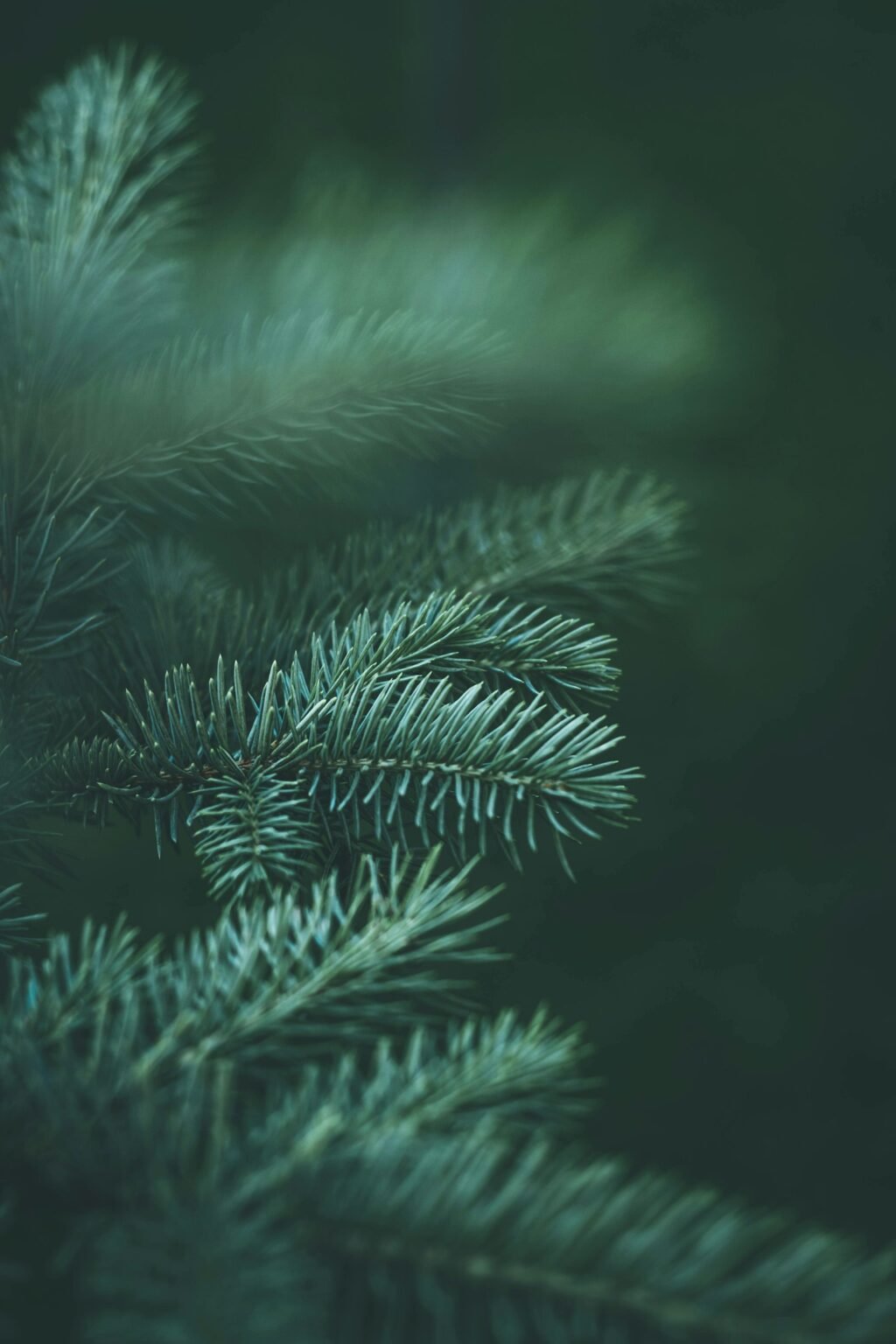
The most popular premium tree in much of the US. Dark green, soft needles with a silvery underside, strong branches that hold heavy ornaments, and excellent needle retention. Usually the most expensive.
Noble fir
Very strong, evenly spaced branches make it perfect for heavy or large ornaments, and it lasts a long time indoors. Popular in the West.
Balsam fir
The classic Christmas scent. Dark green, flexible branches and good needle hold. A favorite in the Northeast and Midwest.
Douglas fir
Technically not a true fir, but one of the most common trees sold. Soft, full and sweet-smelling, and usually cheaper than Fraser or Noble.
Pines
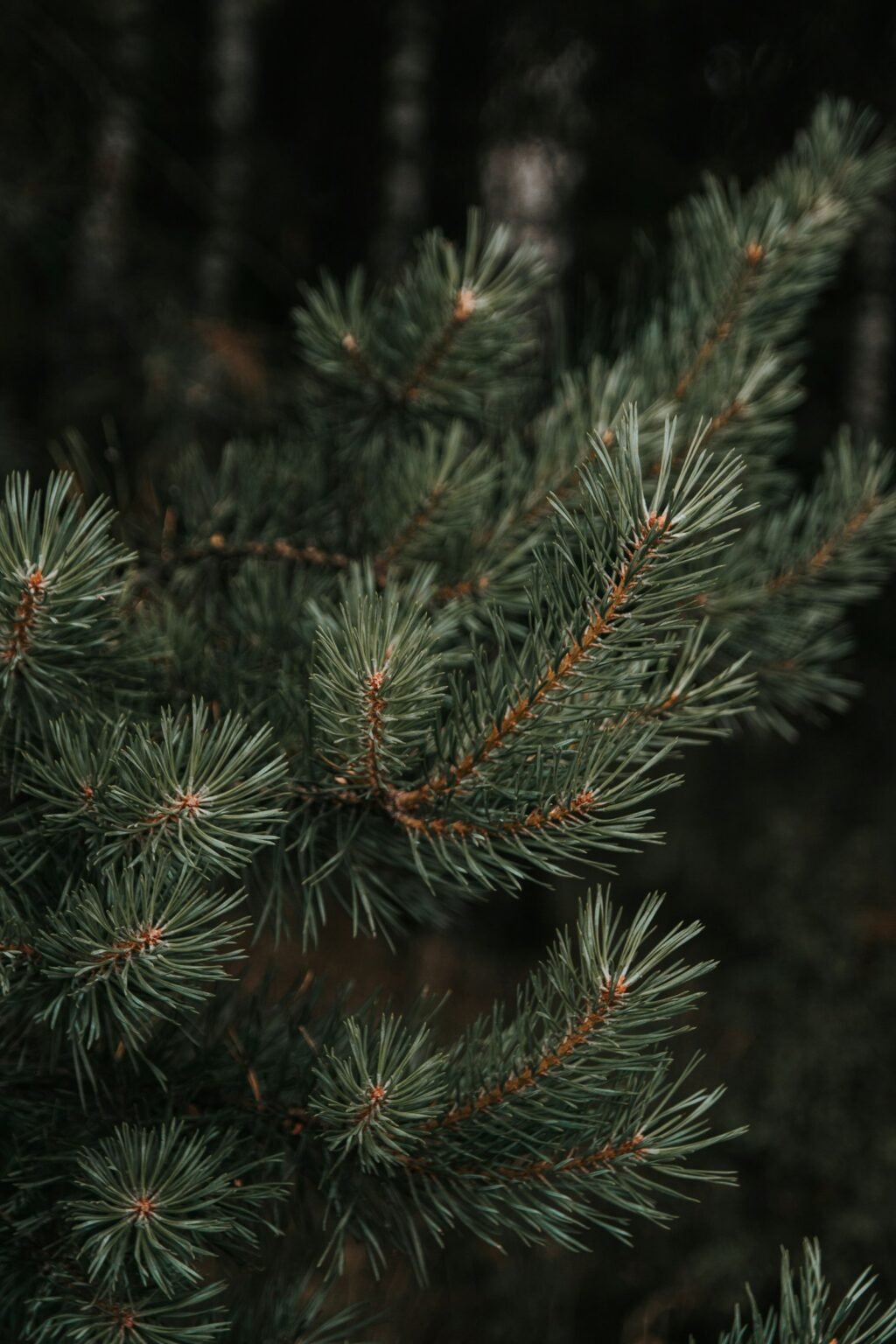
Scotch pine keeps its needles even after it dries, which makes it a long-lasting budget pick. Its stiff branches hold ornaments well. White pine has very soft, long needles and little scent, so it can be a good choice for people sensitive to fragrance, though its branches are too soft for heavy ornaments.
Spruces
Blue spruce has a beautiful silvery-blue color and stiff branches, but sharp needles. Norway spruce has a lovely shape but drops needles quickly indoors, so buy it late and keep it watered. Spruces are often best for short seasons or outdoor display.
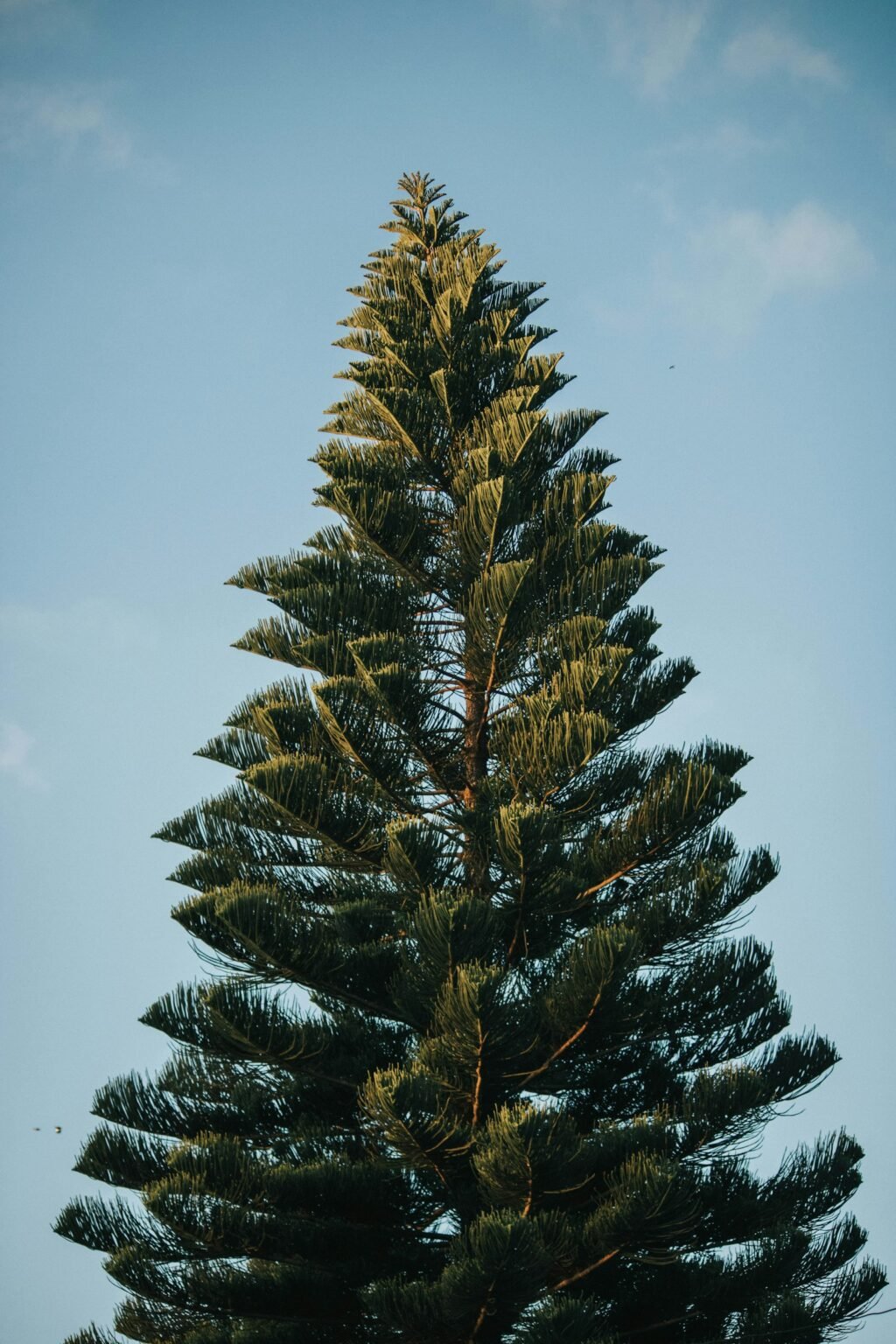
For the longest-lasting tree with the fewest needles on the floor, choose a Fraser, Noble or Nordmann fir.
How to choose
- Longest-lasting: Fraser, Noble, Nordmann fir or Scotch pine.
- Best scent: Balsam fir, Fraser fir or Concolor fir.
- Heavy ornaments: Noble fir, Fraser fir or blue spruce.
- Lowest price: Douglas fir or Scotch pine.
- Less fragrance: White pine or Nordmann fir.
Freshness beats species
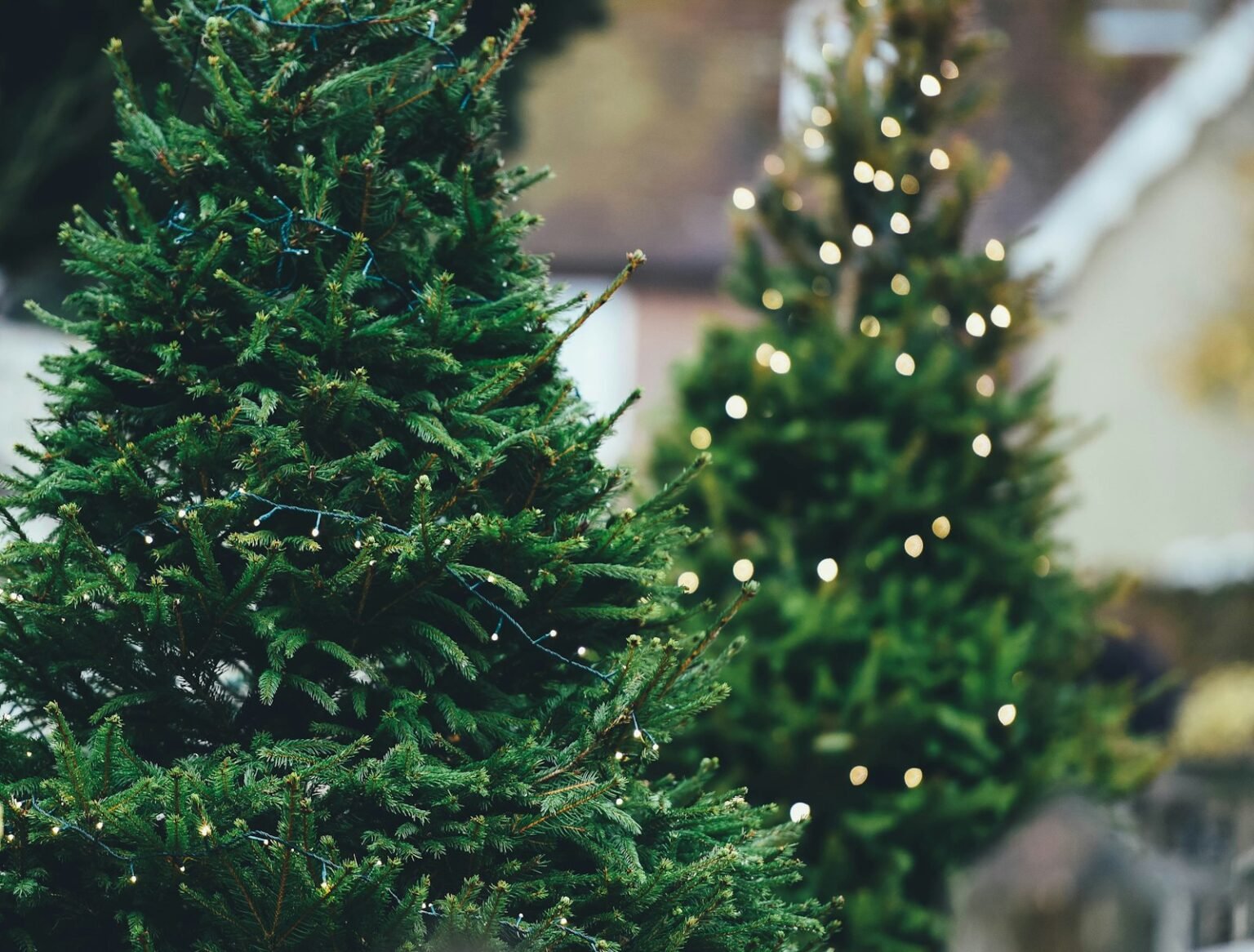
Even the best species dries out if it was cut weeks before you bought it. Check freshness at the lot, ask for a fresh cut, and follow our tree care steps. Then compare prices in our real tree cost guide.
Pick your tree type
- Long season: Fraser or Noble fir.
- Best smell: Balsam fir.
- Budget: Douglas fir or Scotch pine.
- Heavy ornaments: Noble fir.
- Sensitive to scent: White pine.
Popular trees by US region
What you find at the lot depends a lot on where you live, because most trees are grown and shipped regionally.
- Northeast and Upper Midwest: Balsam fir, Fraser fir, Concolor fir and some spruces.
- Southeast: Fraser fir (much of it grown in North Carolina) plus Virginia and white pine.
- Pacific Northwest and West: Noble fir, Douglas fir and Grand fir.
- Plains and Mountain states: Scotch pine, Douglas fir and blue spruce.
A tree grown nearby usually spent less time on a truck, so it is often fresher and lasts longer. Ask the seller where and when the trees were cut.
Price guide: types of Christmas trees compared
Prices for the different types of Christmas trees vary by region, height and where you buy. As a general planning guide for a 6 to 7 foot tree at a lot or farm:
| Tree | Typical 6 to 7 ft price | Price level |
|---|---|---|
| Fraser fir | $80 to $150 | Premium |
| Noble fir | $80 to $150 | Premium |
| Nordmann fir | $80 to $140 | Premium |
| Balsam fir | $60 to $100 | Mid |
| Concolor fir | $70 to $120 | Mid to premium |
| Douglas fir | $50 to $90 | Budget to mid |
| Scotch pine | $40 to $80 | Budget |
| White pine | $40 to $80 | Budget |
| Blue or Norway spruce | $50 to $90 | Budget to mid |
A tree that holds its needles longer can be worth a slightly higher price if you like to decorate right after Thanksgiving.
How to tell fir, pine and spruce apart at the lot
Tags are not always clear, so it helps to know a quick hands-on test. Here is how to identify the main types of Christmas trees in a few seconds:
- Fir: needles are flat, soft and attached one by one. They will not roll easily between your fingers.
- Spruce: needles are square and sharp, and they roll between your fingers like a tiny pencil. Branches feel prickly.
- Pine: needles grow in bundles of two to five and are usually longer than fir or spruce needles.
- Douglas fir: soft needles that grow all around the twig, and a sweet smell when crushed.
How to check any tree for freshness
These checks work for all types of Christmas trees, from premium firs to budget pines.
- Bend a needle. Fir and spruce needles should bend, not snap.
- Run your hand along a branch. Only a few needles should come off.
- Tap the trunk on the ground. A few brown inner needles falling is normal; lots of green needles is a warning sign.
- Check the color. Look for even, deep color without dull or brown patches.
- Ask when it was cut. Trees grown nearby and cut recently last longest.
- Get a fresh cut. Ask the seller to trim about half an inch off the trunk before you take it home.
Choosing a tree for your room
Shape and size matter as much as species when you compare types of Christmas trees.
Measure your ceiling height and subtract the height of your stand and topper. Most homes with 8-foot ceilings fit a 6.5 to 7 foot tree. Narrow spaces suit slender trees like Fraser or Balsam fir, while Noble and Douglas fir tend to be fuller. Our guide to what size Christmas tree you need has a full sizing chart.
Allergies, pets and kids
Some types of Christmas trees are a better fit for sensitive noses, curious pets and busy kids.
- If you are sensitive to fragrance, white pine and Nordmann fir have milder scents.
- Mold on real trees can bother some people with allergies; shaking the tree outdoors and letting it rest in a garage for a day can help.
- Pets may chew needles or drink tree water; use a covered stand and avoid water additives.
- Stiff-branched trees like Noble fir and spruce hold ornaments higher and more securely, away from small hands.
What about artificial trees?
If you are comparing real trees with artificial ones, artificial trees come in their own types: PVC trees with flat needles, PE trees molded to look like real branches, flocked trees with fake snow, and pre-lit or unlit trees. See our guides to pre-lit vs unlit Christmas trees and real vs artificial Christmas tree cost for a full comparison. For costs, shedding and frosted vs flocked options, see our flocked Christmas tree guide. For ready-to-light options, see our best pre-lit Christmas trees by size. If you are going artificial, compare realistic options in our best artificial Christmas trees guide.
Common mistakes when picking a real tree
- Choosing by species alone and ignoring freshness.
- Buying a tree that is too tall or too wide for the room.
- Letting the cut end dry out for hours before putting it in water.
- Placing the tree near a heater, fireplace or sunny window.
- Buying a soft-branched tree like white pine for heavy glass ornaments.
- Forgetting to check that the trunk fits your stand.
Knowing the main types of Christmas trees makes the lot much less confusing. Decide what matters most to you, whether that is scent, needle hold, strong branches or price, and then pick the freshest tree of that type you can find.
Most common Christmas tree species (with botanical names)
The most common Christmas tree species in the US are Fraser fir, Douglas fir, Noble fir, Balsam fir, Scotch pine and white pine, with Nordmann fir, Concolor fir, Grand fir, spruces and Leyland cypress popular in some regions. Botanical names help when tags at the lot are vague.
| Common name | Botanical name | Group | Where it is most common |
|---|---|---|---|
| Fraser fir | Abies fraseri | True fir | East and Southeast |
| Balsam fir | Abies balsamea | True fir | Northeast and Upper Midwest |
| Noble fir | Abies procera | True fir | Pacific Northwest and West |
| Nordmann fir | Abies nordmanniana | True fir | Widely sold; very popular in Europe |
| Concolor (white) fir | Abies concolor | True fir | Midwest and Northeast farms |
| Grand fir | Abies grandis | True fir | Pacific Northwest |
| Douglas fir | Pseudotsuga menziesii | Not a true fir | Nationwide, especially the West |
| Scotch pine | Pinus sylvestris | Pine | Plains, Midwest and choose-and-cut farms |
| Eastern white pine | Pinus strobus | Pine | East and Southeast |
| Virginia pine | Pinus virginiana | Pine | Southeast |
| Colorado blue spruce | Picea pungens | Spruce | Mountain states and Midwest |
| Norway spruce | Picea abies | Spruce | Northeast and Midwest |
| Leyland cypress | × Cuprocyparis leylandii | Cypress | Southeast choose-and-cut farms |
Christmas tree types by family: fir vs pine vs spruce vs cypress
| Family | Needles | Typical strengths | Typical drawbacks |
|---|---|---|---|
| Firs | Flat, soft, attached singly | Best needle hold, strong scent, soft to touch | Usually the most expensive |
| Pines | Long, in bundles of 2 to 5 | Hold needles even when dry, budget-friendly | Softer branches (white pine), less classic shape |
| Spruces | Square, sharp | Stiff branches, striking color (blue spruce) | Prickly; Norway spruce drops needles fast |
| Cypress | Feathery, scale-like sprays | No sap smell, good for allergy-sensitive homes | Soft branches; light ornaments only |
Once you pick a type, see when to put up your Christmas tree so it stays fresh through the holidays, how to decorate it, and what to do with it afterward in our Christmas tree disposal guide.
Helpful resources: For more on types of Christmas trees, see the National Christmas Tree Association and U.S. Fire Administration.
Types of Christmas trees: frequently asked questions
What is the best type of real Christmas tree?
For most homes, Fraser fir is the best all-around choice: strong branches, great needle retention and a pleasant scent. Noble and Nordmann fir are excellent too.
Which Christmas tree lasts the longest?
Fraser, Noble and Nordmann firs and Scotch pine hold their needles the longest, often 4 to 5 weeks or more with daily watering.
Which Christmas tree smells the best?
Balsam fir is known for the classic strong Christmas scent. Fraser fir and Concolor fir also smell great.
Which Christmas tree drops the fewest needles?
Fraser fir, Noble fir, Nordmann fir and Scotch pine drop the fewest needles. Spruces, especially Norway spruce, drop the most.
What are the most common types of Christmas trees in the US?
Fraser fir, Douglas fir, Noble fir, Balsam fir, Scotch pine and white pine are among the most common real trees, along with Nordmann fir, Concolor fir and spruces in some regions.
Which type of Christmas tree is best for heavy ornaments?
Noble fir, Fraser fir and blue spruce have the stiffest branches, so they hold heavy or large ornaments best. Avoid white pine, which has soft, bendy branches.
What are the most common Christmas tree species?
Fraser fir, Douglas fir, Noble fir, Balsam fir, Scotch pine and white pine are the most common, with Nordmann fir, Concolor fir, spruces and Leyland cypress popular in some regions.
How many types of Christmas trees are there?
Dozens of conifers are grown as Christmas trees, but most US lots sell about 10 to 15 types from four families: firs, pines, spruces and cypresses.
Sources: National Christmas Tree Association. Prices are national planning ranges, not quotes. See how we research costs.
Latest Posts
 7 Best Christmas Stocking Holders for Every Mantel (2026)
 Best Hanging Toiletry Bag for Women (2026): 8 Organized Picks for Travel and Cruises
 Best Butter Dish with Lid (2026): 8 Picks for Counter and Fridge
 Best Luxury Nail Polish Gift Set: 7 Picks for Christmas (2026)
 Best Boot Tray for Winter (2026): 8 Picks for Snowy, Muddy Entryways
 Best Watch Winder for Automatic Watches (2026): 7 Quiet Picks and a Gift Guide for Him