Real vs Artificial Christmas Tree: Cost Comparison (2026)
Quick answer
A real 6 to 7-foot Christmas tree costs about $60 to $130 every year, while a mid-range artificial tree costs about $100 to $500 once and lasts 8 to 15 years. An artificial tree usually becomes the cheaper choice after about 3 to 5 years.
Updated for 2026 with current real and artificial tree prices.
Real or artificial? Both can look beautiful, but the costs work very differently. Here is what each type of tree really costs in 2026, a 10-year comparison, and an easy way to decide which is right for your home.
Real vs artificial: cost at a glance
| Real tree | Artificial tree | |
|---|---|---|
| Typical price (6 to 7 ft) | $60 to $130 per year | $100 to $500 once |
| Premium price | $150 to $300+ (Fraser fir, tall trees) | $500 to $1,500 (realistic, pre-lit) |
| Extra yearly costs | Stand, water, disposal: $0 to $40 | Storage bag, bulb replacements: $0 to $30 |
| Lifespan | One season | 8 to 15 years with good care |
| Setup time | 1 to 2 hours plus watering | 30 to 60 minutes plus fluffing |
What a real Christmas tree costs
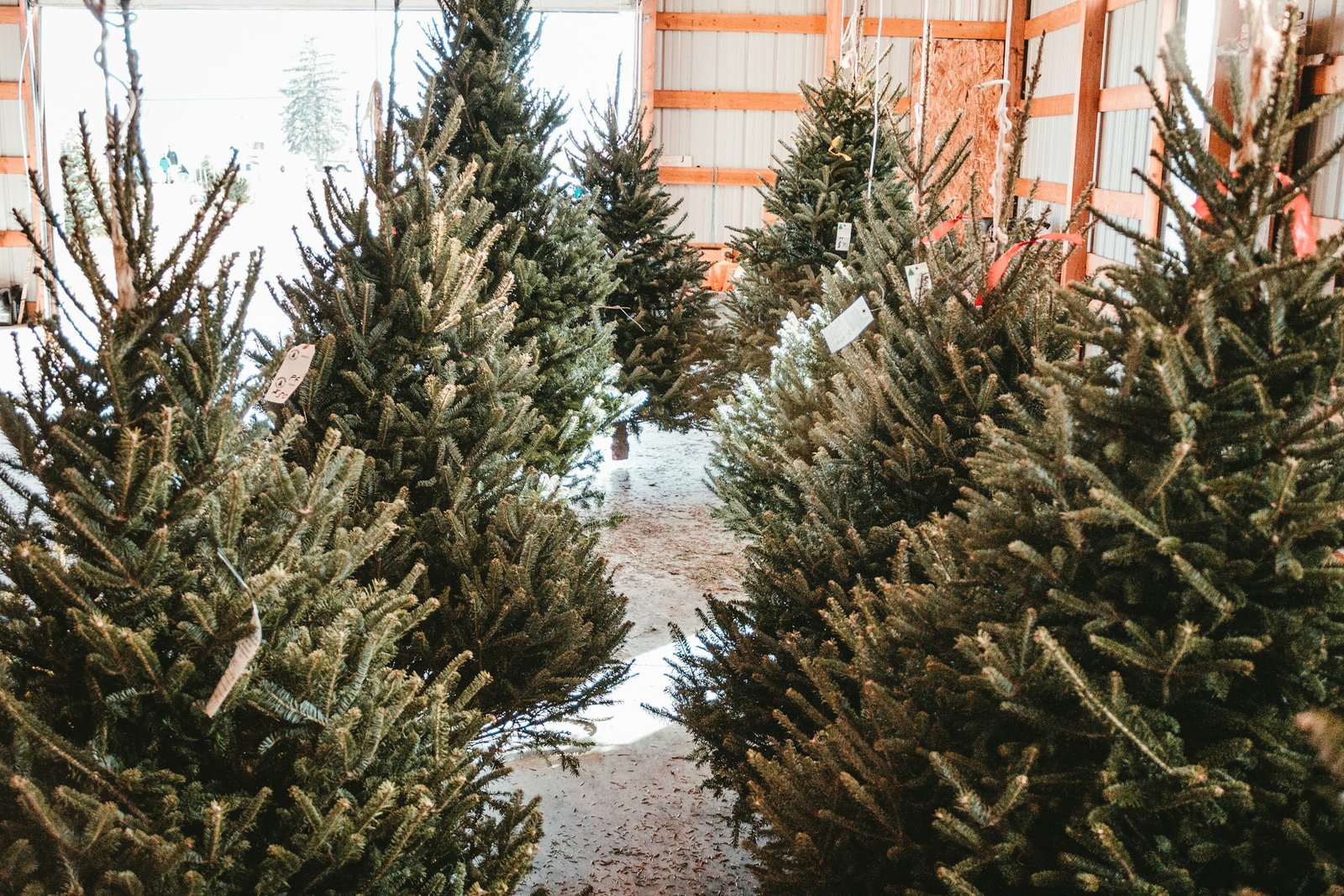
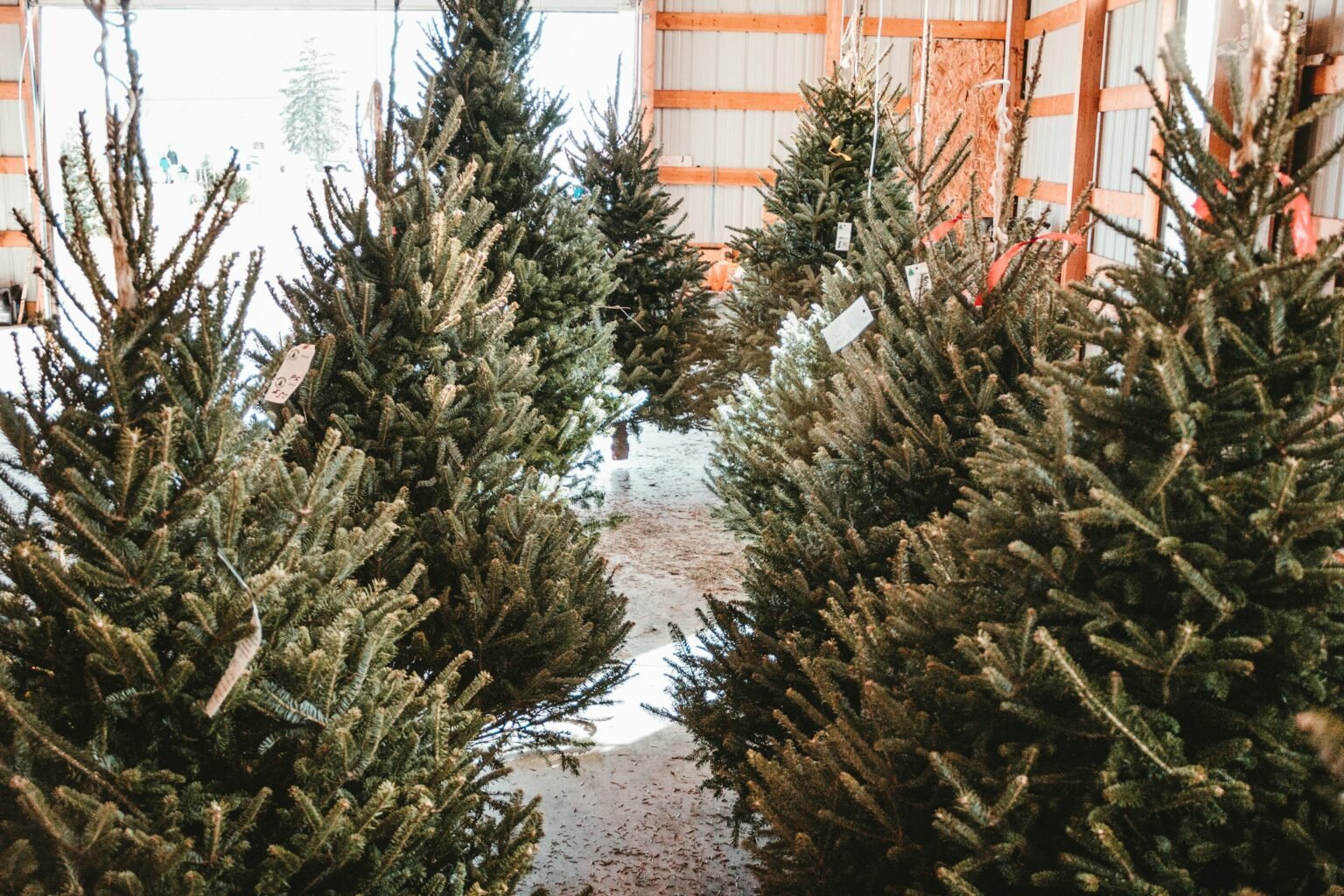
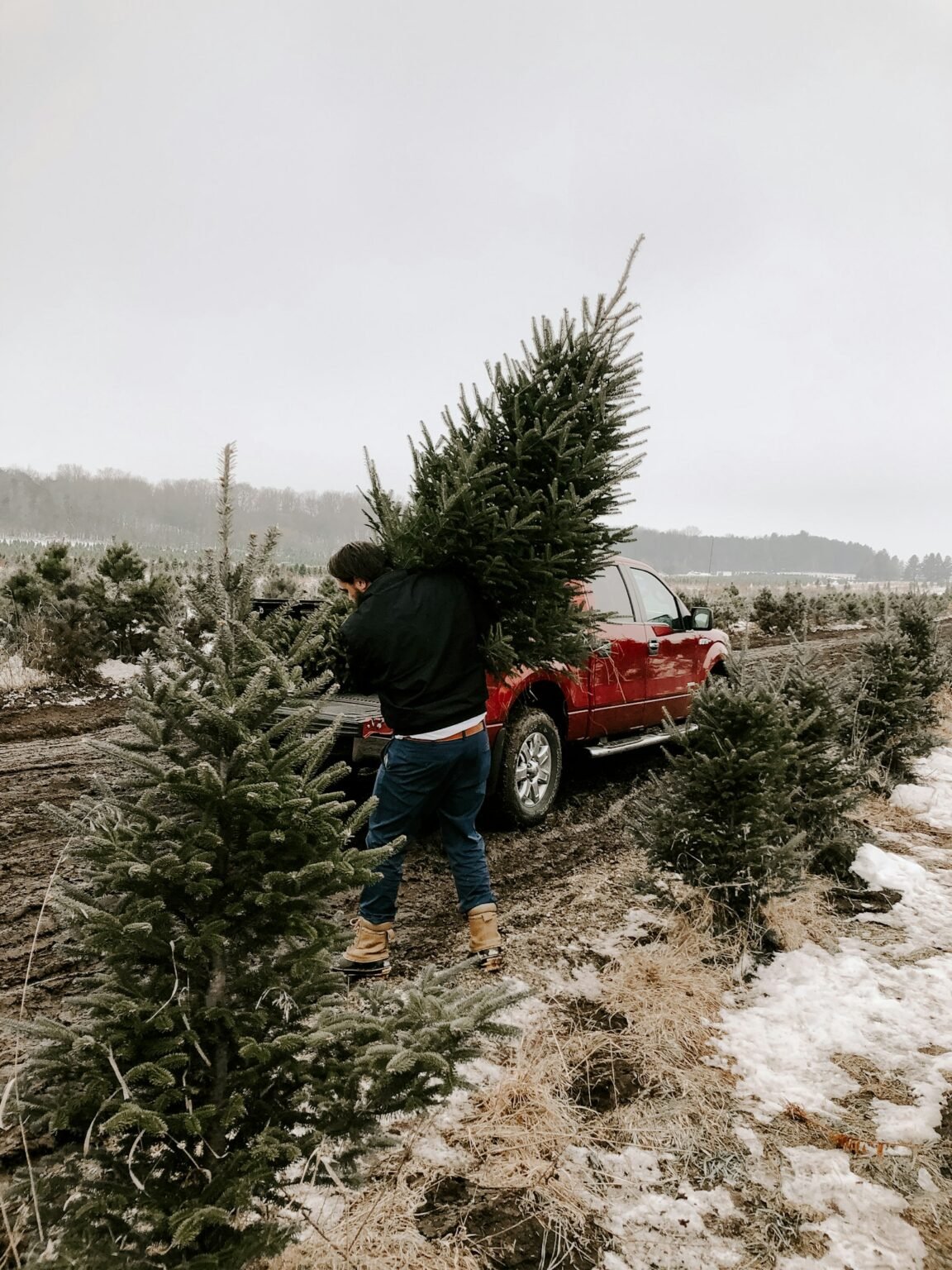
Most families pay about $60 to $130 for a 6 to 7-foot real tree from a lot, garden center or big-box store. Choose-and-cut farms can cost more or less depending on your area, and premium species like Fraser and Noble fir cost more than Douglas fir or Scotch pine. Taller trees (8 feet and up) jump in price quickly. Prices have risen over the last several years because trees take 7 to 10 years to grow and supply is tight.
Add a sturdy stand once (about $25 to $60), plus disposal. Many cities collect trees for free after the holidays, but some charge a small fee.
What an artificial Christmas tree costs
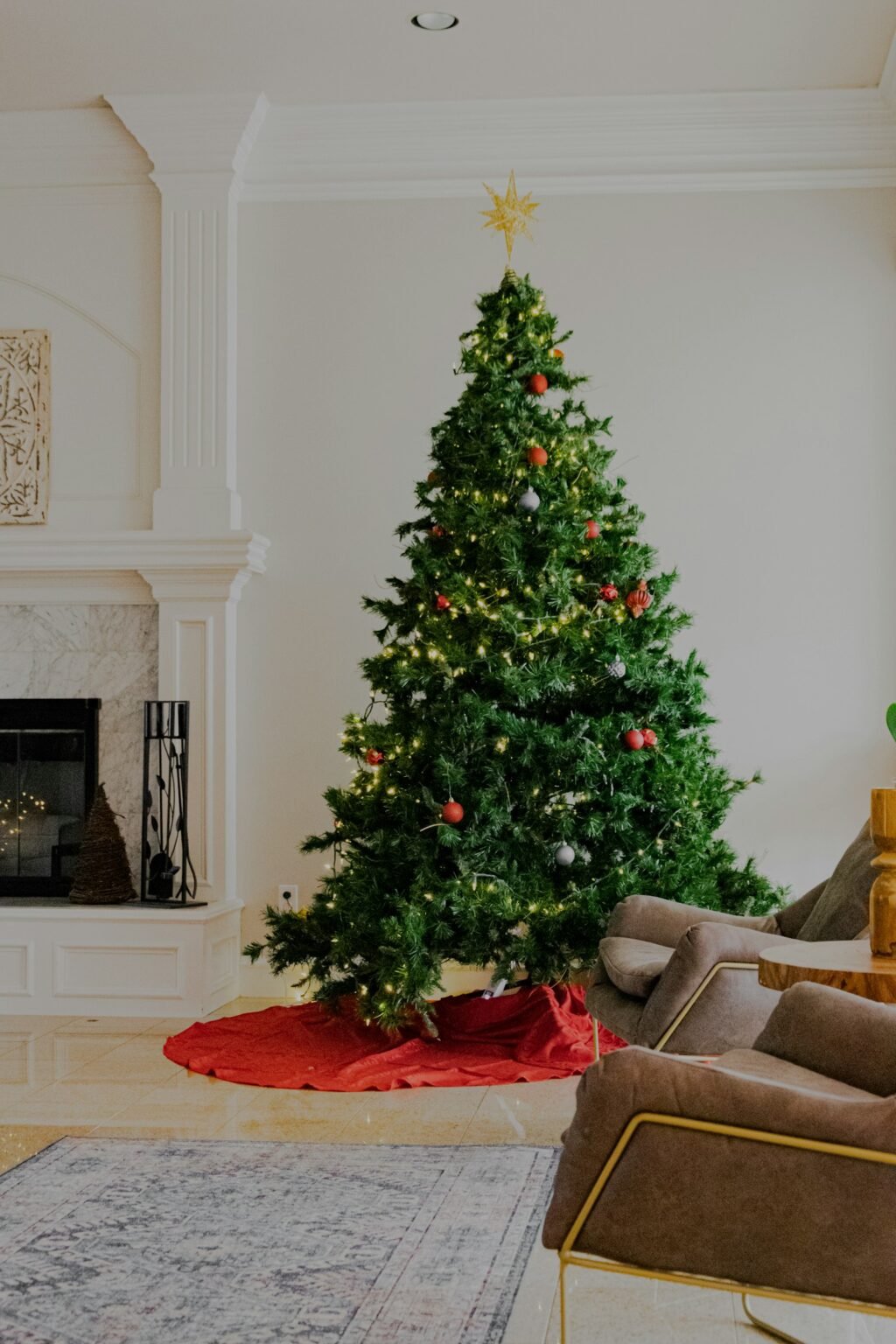
A basic 7-foot artificial tree costs about $100 to $250. Mid-range pre-lit trees with realistic PE tips run about $250 to $500, and premium trees with very realistic branches can cost $500 to $1,500. Pre-lit trees save time, but if the lights fail after a few years, fixing them can be a hassle. An unlit tree with separate LED strands lasts longer overall.
10-year cost comparison
Here is the real math over 10 years, using middle-of-the-range prices.
| Real tree | Mid-range artificial | |
|---|---|---|
| Year 1 | $95 tree + $40 stand = $135 | $300 tree + $25 storage bag = $325 |
| Years 2 to 10 | $95 x 9 = $855 | About $0 to $50 total |
| 10-year total | About $990 | About $325 to $375 |
| Break-even point | — | About year 3 |
If you keep an artificial tree for at least 3 to 5 years, it usually costs less than buying a real tree every year.
Pros and cons
Real tree
- Pros: natural scent, fuller look, a fun family outing, supports local farms, can be recycled or mulched.
- Cons: costs money every year, needs daily water, drops needles, can be a fire risk if it dries out, and can trigger allergies.
Artificial tree
- Pros: one-time cost, no watering or needles, easy setup, often pre-lit, good for allergies.
- Cons: higher upfront cost, needs storage space, no natural scent, and cheap trees can look thin.
Which one is better for you?
- Choose real if you love the scent and tradition, have room for a stand with water, and are happy to pay each year.
- Choose artificial if you want the lowest cost over time, have allergies or pets, or want to decorate early in November.
- Small space? A 4 to 5-foot artificial tree on a table is the cheapest and easiest option.
Tips to save money either way
- Buy real trees from a local farm or lot mid-December for lower prices, but choice will be limited.
- Buy artificial trees right after Christmas, when they are often 40 to 70 percent off.
- Measure your ceiling first. Leave about a foot for the topper and stand.
- Store artificial trees in a bag in a cool, dry place so they last longer.
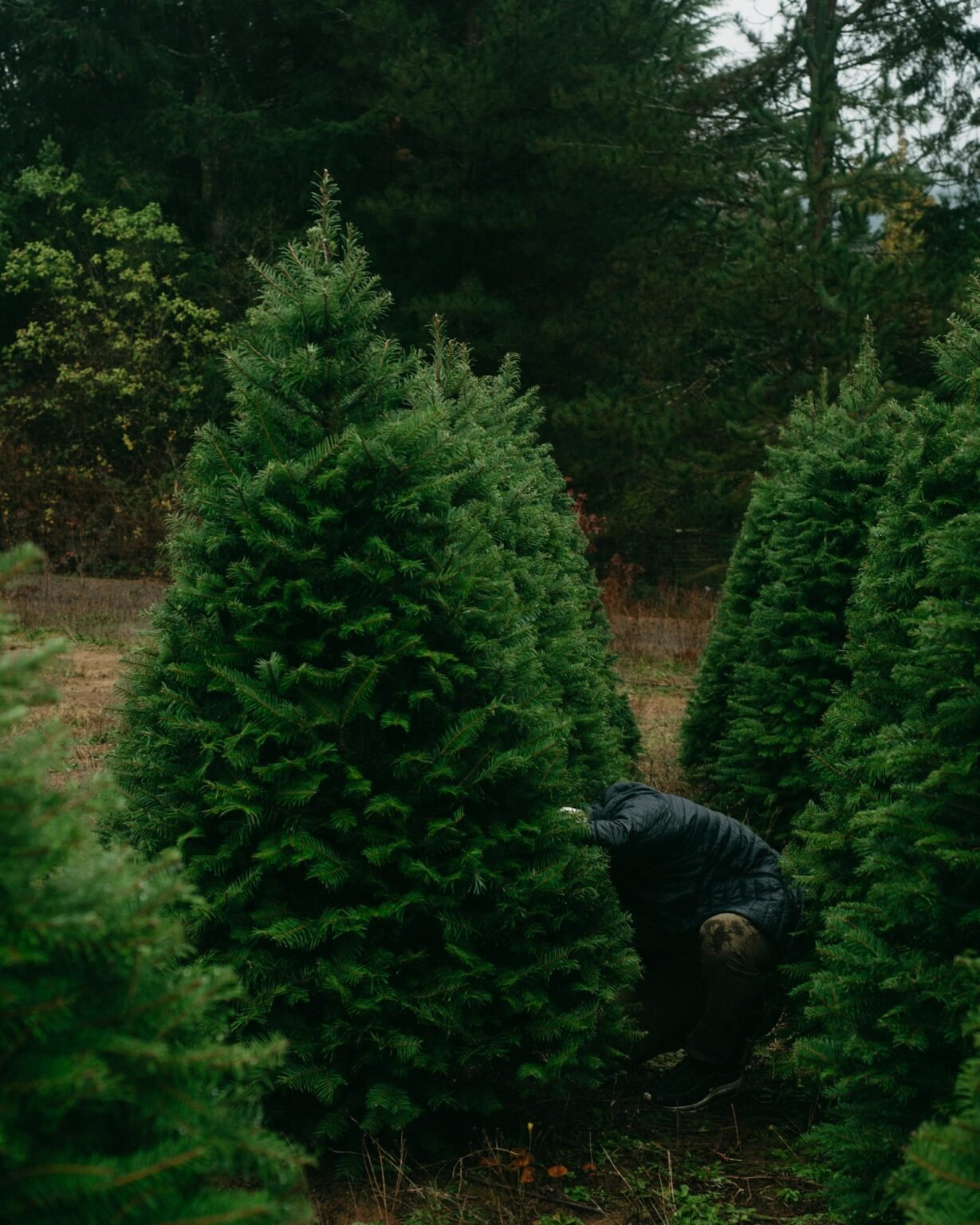
Once your tree is home, use our guide on how to decorate a Christmas tree step by step.
Real vs artificial Christmas tree: break-even by tree price
The break-even point in the real vs artificial Christmas tree debate depends mostly on how much you spend on the artificial tree. This table uses the same example as above: a $95 real tree each year plus a $40 stand in year one, compared with an artificial tree plus a $25 storage bag.
| Artificial tree price | Upfront cost with bag | Real tree spending catches up in | Notes |
|---|---|---|---|
| $150 (basic) | $175 | Year 2 | Fastest payback, but may look thinner |
| $300 (mid-range) | $325 | Year 3 | Best value for most families |
| $500 (upper mid-range) | $525 | Year 6 | Worth it if you keep it 8+ years |
| $1,000 (premium) | $1,025 | Year 11 | Pays off only with long, careful use |
If real tree prices in your area are higher than $95, or rise each year, every artificial option pays off sooner.
Costs people forget to compare
Price tags are only part of the real vs artificial Christmas tree comparison. These extra costs and trade-offs matter too.
- Time: a real tree means a trip to the lot, daily watering and cleanup; an artificial tree means fluffing branches each year.
- Storage space: an artificial tree in a bag takes up closet or garage space all year.
- Disposal: often free for real trees, but some areas charge a small fee. See our Christmas tree disposal guide.
- Lights: unlit trees need separate light strands, often replaced every few years.
- Cleaning: real trees drop needles that can mean extra vacuuming through January.
- Transport: you may need a roof rack, straps or delivery for a real tree.
Which tree fits your household?
Your lifestyle often settles the real vs artificial Christmas tree question faster than the math does.
| Household | Better fit | Why |
|---|---|---|
| Small apartment, no car | Artificial (often 4 to 6 ft) | No transport or disposal, compact storage |
| Family that loves traditions | Real | Choose-and-cut outing and natural scent |
| Allergies or asthma | Artificial | No pollen or mold from a fresh tree |
| Pets that chew or drink tree water | Artificial | No water bowl or dropping needles |
| Decorates early in November | Artificial | A real tree may dry out before Christmas |
| Short on storage space | Real | Nothing to store after the holidays |
Safety: real vs artificial
Safety is part of any real vs artificial Christmas tree decision, and both types are safe with basic care.
A well-watered real tree is much less likely to catch fire than a dry one, so check the water level every day and keep the tree away from heaters, fireplaces and candles. For artificial trees, look for a fire-resistant label and use lights tested by a recognized lab. Either way, turn off tree lights when you go to bed or leave home.
In-between options
If you cannot decide between a real vs artificial Christmas tree, a middle path may suit you.
- Living potted tree: a small tree with roots that you can plant after the holidays, where your climate allows.
- Tabletop real tree: a small real tree or rosemary tree costs much less than a full-size one.
- Mixed approach: an artificial tree in the main room and fresh garland or a small real tree elsewhere for scent.
- Unlit artificial tree: pair it with LED strands you can replace, so a light failure does not end the tree’s life. Compare options in pre-lit vs unlit Christmas trees.
Common buying mistakes
- Buying the cheapest artificial tree, then replacing it after two seasons because it looks thin.
- Choosing a real tree without checking freshness.
- Forgetting to measure the ceiling and the stand.
- Buying a premium pre-lit tree without checking the light warranty.
- Picking a real tree species with soft branches for heavy ornaments. See types of Christmas trees for help.
There is no single right answer to real vs artificial Christmas tree. Compare your budget, space, time and traditions, and the better choice for your home usually becomes clear.
Fake vs real Christmas tree: which is cheaper in 2026?
A fake (artificial) Christmas tree is cheaper than a real one if you keep it at least 3 to 5 years. In a single season a real tree wins, at about $60 to $130 for 6 to 7 feet, while a mid-range artificial tree costs about $100 to $500 up front.
Real vs artificial Christmas tree cost by size
Taller trees cost more either way, but the break-even point stays roughly the same. Here is a planning comparison by height:
| Tree height | Real tree (per year) | Artificial tree (one time, mid-range) | Typical break-even |
|---|---|---|---|
| 4 to 5 ft | $35 to $70 | $50 to $150 | About 2 to 3 years |
| 6 to 7 ft | $60 to $130 | $100 to $500 | About 3 to 5 years |
| 7 to 8 ft | $80 to $170 | $250 to $600 | About 3 to 5 years |
| 9 to 10 ft | $150 to $300 | $400 to $1,000 | About 3 to 5 years |
For more detail on each side, see how much a real Christmas tree costs by species and our artificial Christmas tree buying guide.
Helpful resources: For more on real vs artificial Christmas tree, see the National Christmas Tree Association and U.S. Fire Administration.
Real vs artificial Christmas tree: frequently asked questions
Is it cheaper to buy a real or artificial Christmas tree?
Over time, an artificial tree is usually cheaper. A mid-range artificial tree often pays for itself in about 3 to 5 years compared with buying a $90 to $100 real tree every year.
How much does a real Christmas tree cost in 2026?
Most 6 to 7-foot real trees cost about $60 to $130. Premium species like Fraser fir and taller trees can cost $150 to $300 or more.
How long does an artificial Christmas tree last?
A good artificial tree lasts about 8 to 15 years if it is stored in a bag in a cool, dry place. Cheaper trees and pre-lit wiring may wear out sooner. Because it never dries out, an artificial tree can also go up earlier; see when to put up a fake Christmas tree vs a real one.
Which is better for the environment, a real or artificial tree?
Real trees are grown as a crop and can be recycled or mulched, while artificial trees are made from plastic and metal. An artificial tree is better only if you use it for many years. Buying a real tree locally and recycling it is a good low-impact choice.
How many years do you need to keep an artificial tree to save money?
In our example, a mid-range $300 artificial tree breaks even with a $95 real tree in about 3 years. Basic trees pay off faster, and premium trees can take 10 years or more.
Do real or artificial trees look better?
Real trees have a natural shape and scent that is hard to copy. High-quality artificial trees with realistic PE tips can look very close, especially once decorated.
Is a fake Christmas tree cheaper than a real one?
Yes, over time. A mid-range fake tree costs about $100 to $500 once, while a real 6 to 7-foot tree costs about $60 to $130 every year, so the fake tree is usually cheaper after about 3 to 5 years.
How much does an artificial Christmas tree cost?
A basic 7-foot artificial tree costs about $100 to $250, a mid-range pre-lit tree about $250 to $500, and a premium realistic tree $500 to $1,500.
Sources: National Christmas Tree Association, American Christmas Tree Association. Prices are national planning ranges, not quotes. See how we research costs.
Latest Posts
 7 Best Christmas Stocking Holders for Every Mantel (2026)
 Best Hanging Toiletry Bag for Women (2026): 8 Organized Picks for Travel and Cruises
 Best Butter Dish with Lid (2026): 8 Picks for Counter and Fridge
 Best Luxury Nail Polish Gift Set: 7 Picks for Christmas (2026)
 Best Boot Tray for Winter (2026): 8 Picks for Snowy, Muddy Entryways
 Best Watch Winder for Automatic Watches (2026): 7 Quiet Picks and a Gift Guide for Him