Candles vs. Candle Warmers vs. Diffusers: Cost, Safety and Which to Choose

Quick answer
Candle warmers are the safest and often the cheapest way to enjoy jar candles because there is no open flame and the candle lasts longer. Candles give the coziest glow but cost about $0.25 to $0.60 per hour of burn time. Reed diffusers are the lowest effort, lasting about 1 to 3 months for $15 to $40. For pets, kids and bedrooms, a warmer with an auto shut-off timer is usually the best pick.

Home fragrance is having a big moment, and Pinterest even named “scent stacking” a 2026 trend. But candles, warmers and diffusers work very differently. Here is how they compare on cost, safety and how well they fill a room.
Quick comparison
| Option | Upfront cost | Ongoing cost | Scent strength | Safety |
|---|---|---|---|---|
| Jar candle | $10 – $30 | About $0.25 – $0.60 per hour | Medium to strong | Open flame; never leave unattended |
| Candle warmer lamp | $25 – $45 | Candles last longer; electricity is about a penny an hour | Medium | No flame; choose one with a timer |
| Reed diffuser | $15 – $40 | Refill every 1 – 3 months | Light, steady | No flame or heat; keep from pets and kids |
| Plug-in diffuser | $5 – $15 | Refills about $4 – $8 a month | Light to medium | Electric; check for heat |
| Ultrasonic oil diffuser | $20 – $50 | Essential oils $5 – $15 a bottle | Adjustable | No flame; some oils are unsafe for pets |
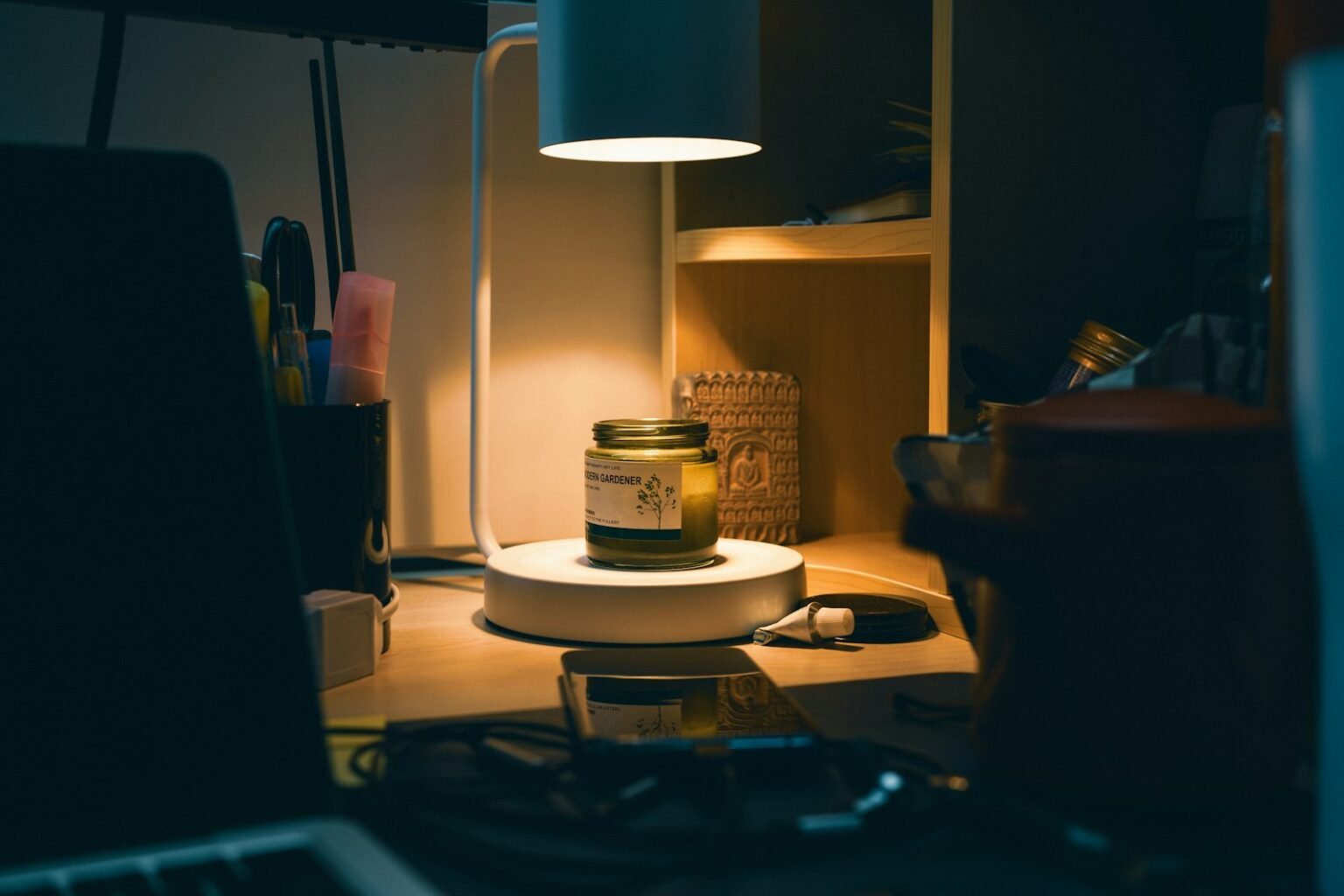
Candles
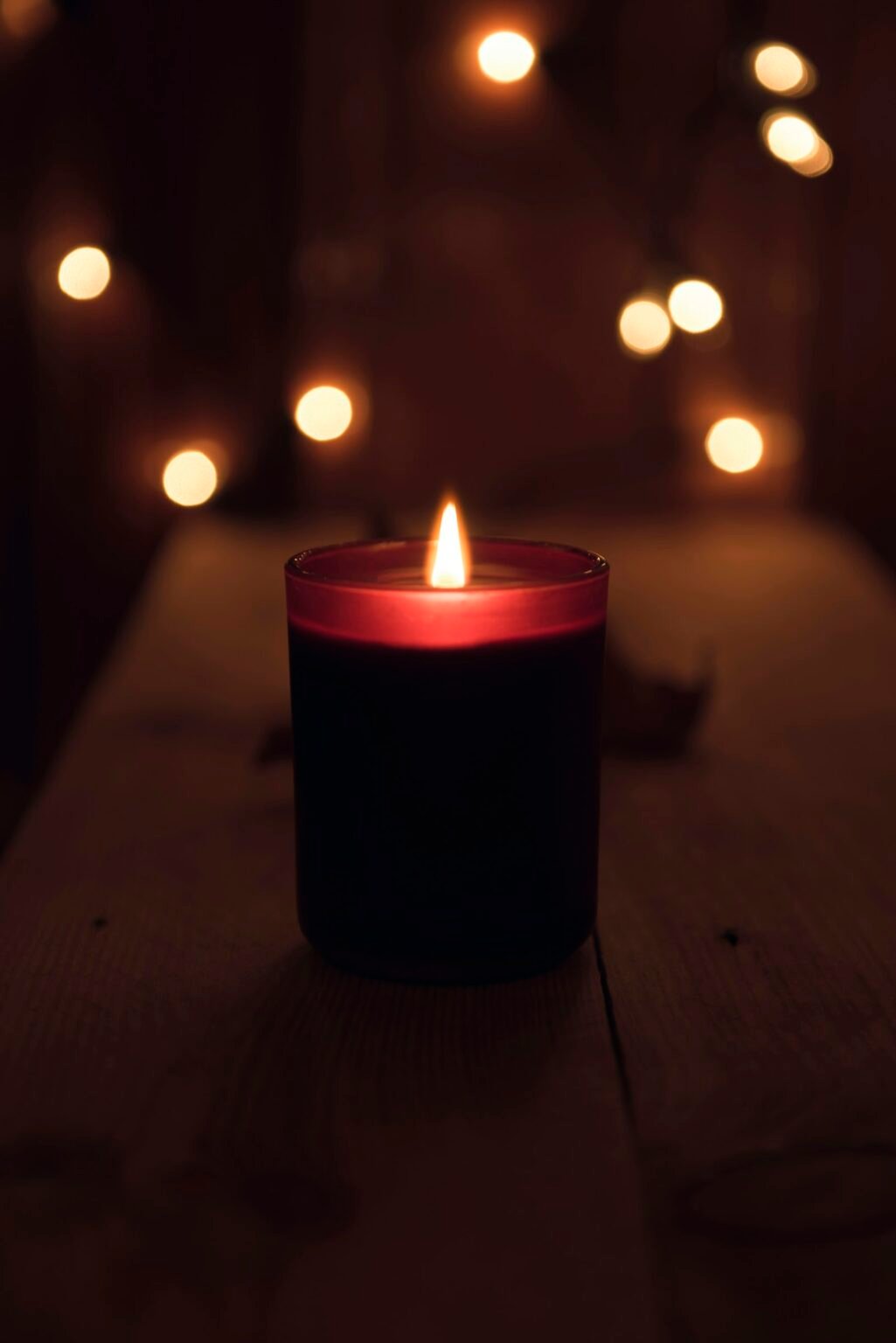
Nothing beats real candlelight for mood. An 8 ounce candle usually burns about 40 to 50 hours. To get the most from it, burn it long enough the first time for the melted wax to reach the edges, and trim the wick to about 1/4 inch before each burn to reduce soot. Tealights are a different story; our guide on how long do tea light candles burn covers typical times and how to plan a party. For a long-burning winter jar, see our Yankee balsam and cedar candle review, or the WoodWick Fireside candle review if you like a crackling wooden wick.
Candle warmers
Warmer lamps use a halogen or LED bulb to melt the candle from above, while warmer plates heat it from below. Because the wick never burns, the candle loses wax much more slowly. The scent can fade after many hours of warming, so pick candles with a strong fragrance. Wax melts work the same way without a jar at all; our wax melts vs candles breakdown in the Happy Wax review shows when melts make more sense. Our GODONLIF candle warmer lamp review looks at one model with a dimmer, timer and adjustable height.

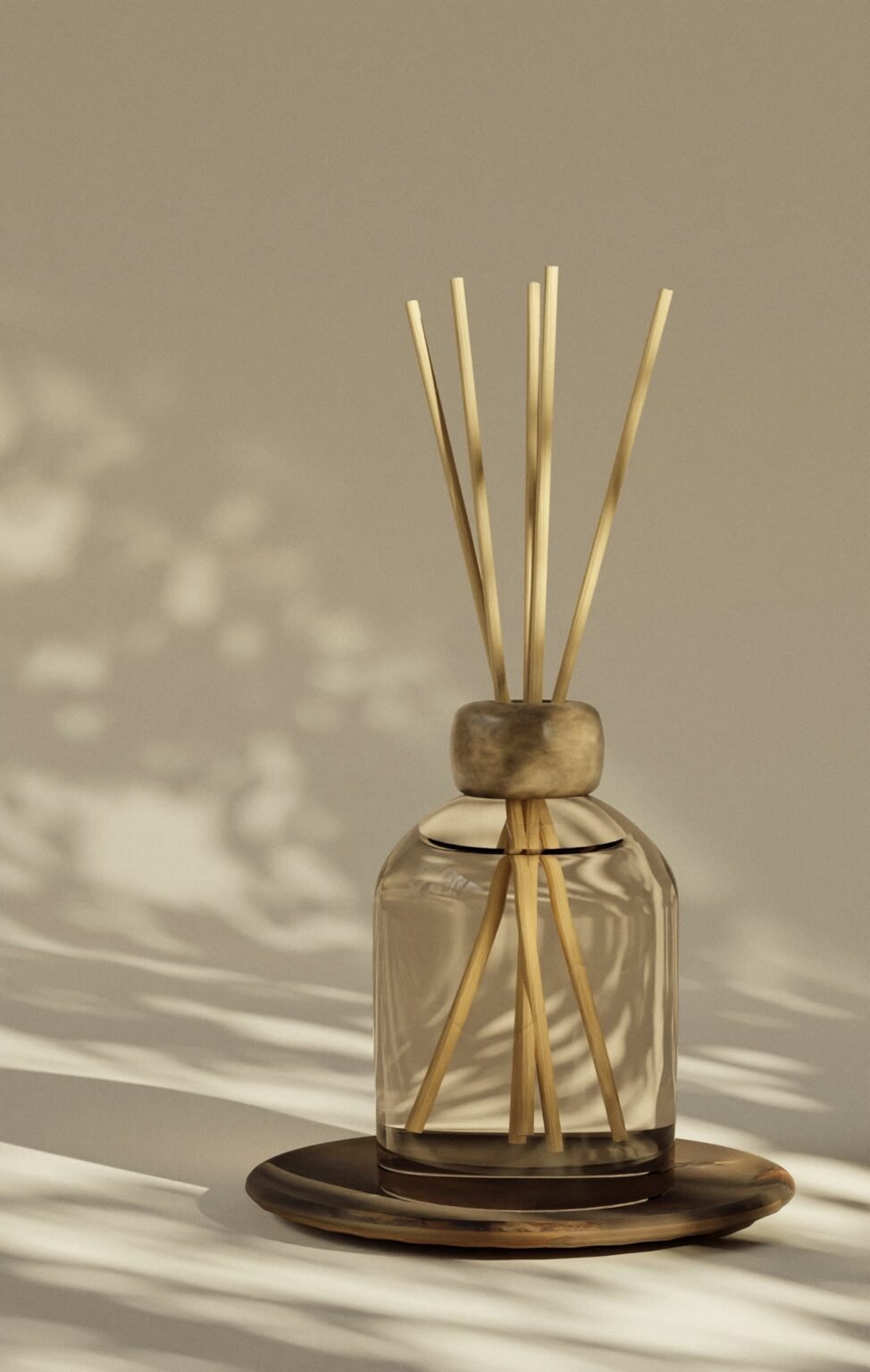
Reed diffusers
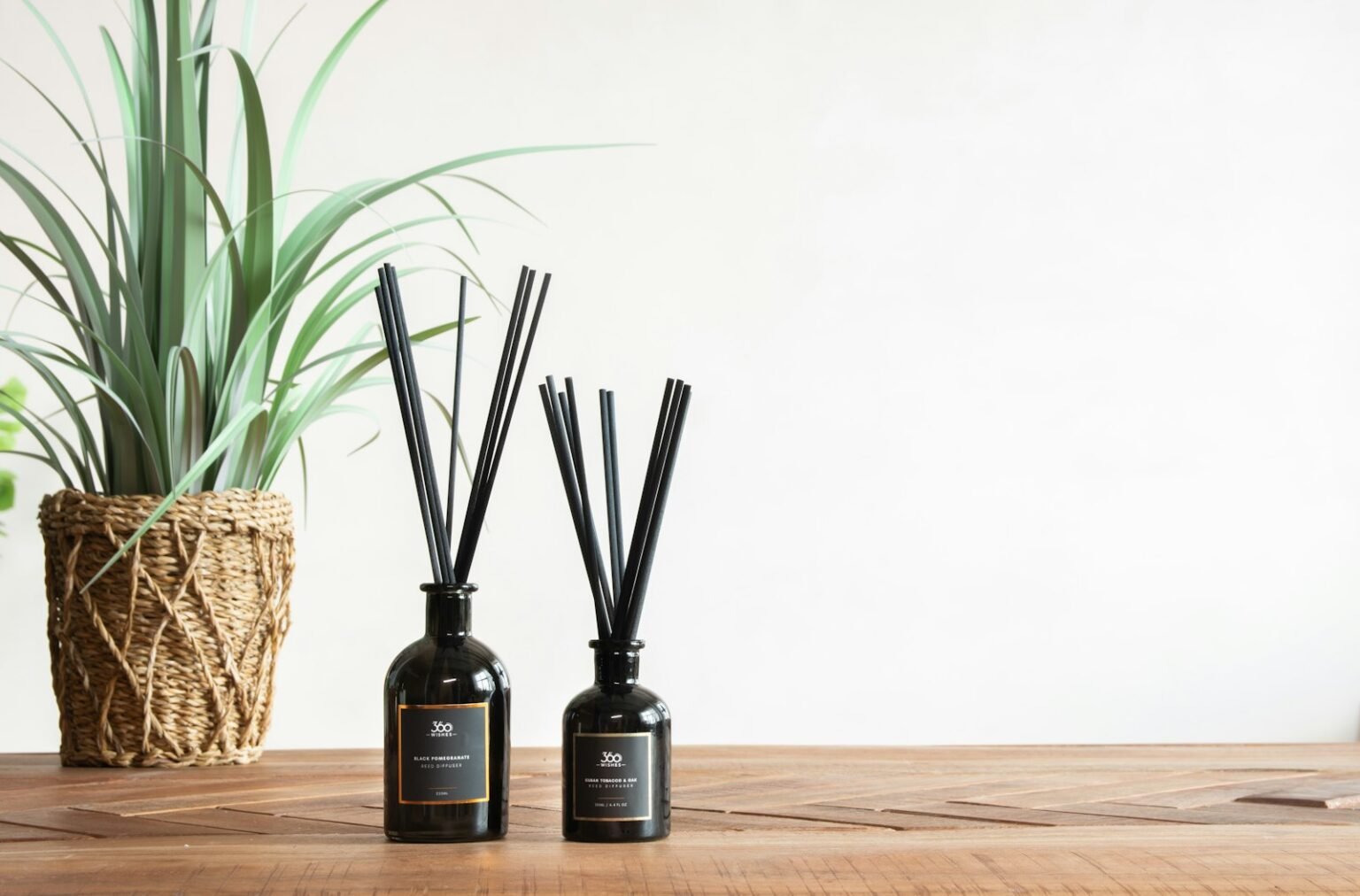
A bottle of fragrance oil and rattan reeds that wick it up and release scent all day. Flip the reeds once a week for a boost. They are quiet, need no power and look good on a tray, but they give a softer scent than a candle.
Oil and plug-in diffusers
Ultrasonic diffusers mist water and essential oils into the air, and many have timers and lights. Plug-ins are cheap upfront but the refills add up. If you have cats, dogs or birds, check with your vet, since some essential oils can be harmful to pets.
For a bedroom or a home with pets, choose fragrance without a flame. Save real candles for when you are in the room to enjoy them. If you do burn real candles, group them on a safe base; our wooden candle tray review explains how to do that on wood. For a calm mood with no scent at all, see our tabletop water fountain review.
Candle safety basics
- Never leave a burning candle unattended or burn it while sleeping.
- Keep candles at least 12 inches from anything that can burn, like curtains and books.
- Place them on a stable, heat-resistant surface, away from kids and pets.
- Stop burning when about 1/2 inch of wax remains.
- Fire safety groups report that candle fires peak during the December holidays.

How to Try Scent Stacking
- Choose one scent family: woody, fresh, floral or gourmand.
- Use a reed diffuser for a steady base in the entry.
- Add a candle or warmer in the living room.
- Keep scents lighter in the kitchen and bedroom.
- Group bottles and jars on a tray so it looks styled.
Which should you choose?
- Best overall value: a candle warmer lamp with jar candles you already like.
- Best for mood: real candles, used with care.
- Lowest effort: reed diffusers.
- Best for pets and kids: a warmer with a timer, kept out of reach, or no fragrance at all.
Disclosure: As an Amazon Associate I earn from qualifying purchases.
Shop this look
As an Amazon Associate, Team5E earns from qualifying purchases. Prices are typical ranges and change often.
★ Our top picks: Best Candle Warmer Lamps
Candles vs candle warmers vs diffusers: yearly cost example
Upfront prices only tell part of the story. Here is a worked example for someone who enjoys fragrance about 2 hours every evening, or roughly 730 hours a year, using the price ranges in the comparison table above.
| Option | How the math works | Approximate yearly cost |
|---|---|---|
| Jar candles only | 730 hours x $0.25 to $0.60 per hour | About $183 to $438 |
| Candle warmer lamp | $25 to $45 lamp + about a penny an hour of electricity (about $7) + fewer candles | Often less than burning, since the wax is not consumed by a flame |
| Reed diffusers | One $15 to $40 bottle every 1 to 3 months | About $60 to $480, depending on size and brand |
| Plug-in diffuser | $5 to $15 device + refills of $4 to $8 a month | About $53 to $111 |
| Ultrasonic oil diffuser | $20 to $50 device + essential oils at $5 to $15 a bottle | Depends on how often you run it and which oils you buy |
The takeaway from this candles vs candle warmers vs diffusers cost example: if you use fragrance every day, a warmer or a modest plug-in tends to be cheaper than burning candles. If you only light a candle on weekends, a few good candles may cost less than any device. If a plug-in scent sounds easier, our Drift plug-in diffuser refills review looks at a warm, woodsy option that runs without a flame.
Best choice by room
Comparing candles vs candle warmers vs diffusers room by room is often easier than picking one winner for the whole house.
| Room | Best option | Why |
|---|---|---|
| Entryway | Reed diffuser | Steady background scent with no power or flame |
| Living room | Candle or warmer lamp | Mood lighting and a stronger scent for a larger space |
| Bedroom | Warmer with timer or diffuser with auto shut-off | No flame while you might fall asleep |
| Bathroom | Reed diffuser or plug-in | Small space; constant light scent |
| Kitchen | Light or no fragrance | Strong scents can clash with cooking |
| Home office | Ultrasonic diffuser | Adjustable strength and a timer for work hours |
How to make each option work better
Whichever side of the candles vs candle warmers vs diffusers debate you land on, a few habits make your fragrance last longer and work better.
Candles
- Trim the wick to about 1/4 inch before every burn.
- Burn for long enough the first time that the melted wax reaches the edge, so the candle does not tunnel.
- Burn in a room without strong drafts, which cause soot and uneven melting.
- Use a lid between burns to keep dust out and protect the scent.
Candle warmers
- Use the timer and give the candle breaks so the scent lasts longer.
- Pick a lamp with a dimmer if you want a softer glow.
- Use candles that fit the warmer size so heat reaches the whole surface.
- Replace the candle when the scent fades, even if wax remains.
Diffusers
- Flip reeds once a week, and add fresh reeds when they clog.
- Keep reed bottles away from heat and direct sun, which can speed evaporation.
- Clean ultrasonic diffusers regularly so oils do not build up.
- Start with a few drops of oil and increase slowly.
Renters, kids and pets
Safety is where the candles vs candle warmers vs diffusers comparison matters most.
If your lease limits open flames, or you have toddlers or pets, a warmer with a timer or a reed diffuser on a high shelf is the easiest way to enjoy scent. Keep fragrance oils, wax and reeds out of reach, and ask your vet before using essential oils around cats, dogs or birds. Battery LED candles can give the glow of candlelight with no flame at all. Want the candlestick look with no flame and no heat at all? Our flameless taper candles review covers a remote-controlled LED set with a daily timer.
Common mistakes
These are the most common mistakes we see people make with candles vs candle warmers vs diffusers, and all are easy to fix.
- Leaving a candle burning in an empty room.
- Running a warmer all day without a break, which fades the scent faster.
- Placing a reed diffuser on a wood surface without a tray, which can mark the finish if it spills.
- Mixing too many scents in one room.
- Buying cheap refills that smell weak and need replacing more often.
In the end, the candles vs candle warmers vs diffusers decision comes down to how you live: choose candles for glow, warmers for safety and value, and diffusers for low-effort, all-day scent. For more ways to make home feel cozy for less, see winterize your home on a budget and home decor under $50.
Helpful resources: For more on candles vs candle warmers vs diffusers, see the National Fire Protection Association and U.S. Consumer Product Safety Commission.
Candles vs candle warmers vs diffusers: frequently asked questions
Is a candle warmer better than burning a candle?
For safety and value, often yes. A warmer has no open flame and makes candles last longer, though the glow is different and the scent can fade over time.
Are candle warmers safe to leave on?
They are safer than candles, but they still get hot. Choose one with an auto shut-off timer and turn it off when you leave home.
How long does a reed diffuser last?
Most last about 1 to 3 months, depending on the bottle size and how many reeds you use.
Are diffusers safe for pets?
Some essential oils can be harmful to cats, dogs and birds. Ask your vet and keep diffusers out of reach.
Which is cheaper, a candle warmer or a diffuser?
It depends on use. A warmer costs about a penny an hour in electricity and stretches the life of your candles, while plug-in refills often run about $4 to $8 a month. Daily users often find a warmer or plug-in cheaper than burning candles.
Which fills a room with scent best?
Strongly scented candles and warmers usually fill a living room fastest. Ultrasonic diffusers can be adjusted up or down, and reed diffusers give a lighter, steady scent best for smaller rooms.
Sources: NFPA candle safety, Woman & Home on Pinterest Predicts 2026.. Prices are typical 2026 US retail ranges.
Latest Posts
 Best Boot Tray for Winter (2026): 8 Picks for Snowy, Muddy Entryways
 Best Watch Winder for Automatic Watches (2026): 7 Quiet Picks and a Gift Guide for Him
 Best Ice Ball Maker for Whiskey: 8 Clear Picks (2026 Gift Guide)
 Best Luxury Hair Perfume for Women: 8 Designer Hair Mists Worth Gifting (2026)
 Best Garment Racks With Covers (2026): Rolling, Heavy-Duty and Dust-Proof Clothes Racks
 Best Tennis Bracelets on Amazon (2026): CZ, Moissanite and Lab-Grown Diamond Gifts for Her