Best Dehumidifiers (2026): 8 Picks for Basements, Bedrooms and Bathrooms
Quick answer
The best dehumidifier for most homes is a 50-pint, ENERGY STAR certified unit with a drain hose option, sized to how damp the space is, not just its square footage. Our top three: the Midea Cube 50 Pint (ENERGY STAR, 4.2 gallon bucket, drain hose included, Wi-Fi), the Midea 50 Pint with Pump (built-in pump drains up into a sink or out a window, listed at 49 dBA on low) and the Waykar 80 Pints (ENERGY STAR, 270 watts, listed at about 42 dB). Keep indoor humidity between 30 and 50 percent, and below 60 percent, as the EPA recommends.
Disclosure: As an Amazon Associate I earn from qualifying purchases.
- Midea Cube 50 Pint Dehumidifier Best Overall
50 pints a day, up to 4,500 sq ft, 4.2 gallon bucket, drain hose included, ENERGY STAR.
Check current price on Amazon → - Midea 50 Pint Dehumidifier with Pump Best Dehumidifier with Pump
Built-in pump drains vertically or horizontally, 35 to 85 percent humidity setting, Wi-Fi, ENERGY STAR.
Check current price on Amazon → - Waykar 80 Pints Dehumidifier Best for Large Rooms
Up to 5,000 sq ft, 270 watts, about 42 dB, 30 to 80 percent setting, ENERGY STAR.
Check current price on Amazon →

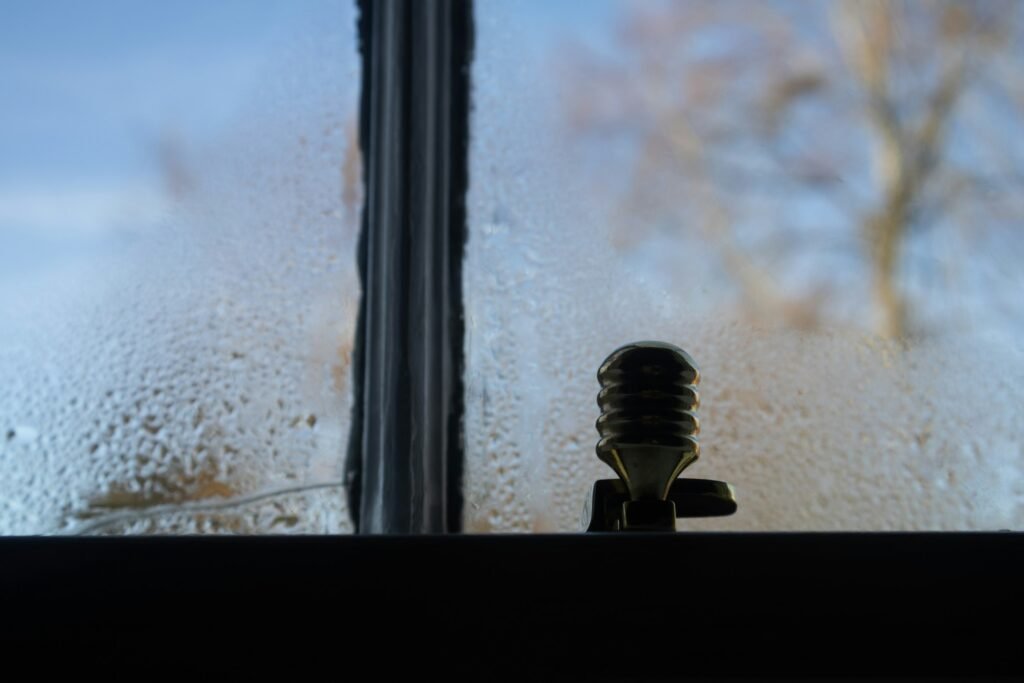
A musty smell when you open the basement door, a towel that never quite dries, beads of water on the inside of the bedroom window on a cold morning. These are the everyday signs that the air in part of your home holds more moisture than it should. Left alone, damp air feeds mold, warps wood and makes a room feel clammy even when the thermostat says it is warm.
This guide compares eight dehumidifiers on Amazon so you can find the best dehumidifier for the space you actually have: a 50-pint basement unit, two models with built-in pumps, a large-room ENERGY STAR pick, a mid-size unit for bedrooms and living rooms, a compact Cube for apartments, a mini model for small bathrooms and a cordless absorber for closets. Every capacity, wattage, coverage and noise figure below comes from the product listings, and we say “not stated” when a listing leaves something out.
You also get the parts most roundups skip: a pint-size chart by square footage and dampness (based on ENERGY STAR guidance), the humidity range to aim for, a simple way to estimate what a dehumidifier costs to run, where to put it, how to set up a drain hose or pump, and a cleaning schedule. If your problem is the opposite, dry winter air, see our guide to the best humidifier for bedroom use instead, and for dust and allergens rather than moisture, our best air purifier for bedroom picks are sized by CADR. For a living room or finished basement, our air purifier for large room guide covers bigger spaces.
Comparison table: capacity, coverage, drain and power
| Dehumidifier | Listed capacity | Coverage | Tank | Drain option | Power | ENERGY STAR (listing) |
|---|---|---|---|---|---|---|
| Midea Cube 50 Pint | 50 pints/day | 4,500 sq ft | 4.2 gal | Gravity hose (included) | 490 W | Yes |
| Midea 50 Pint with Pump | 50 pints/day | 4,500 sq ft | 1.6 gal | Built-in pump or gravity hose | 470 W | Yes |
| hOmeLabs 50 Pint with Pump | 50 pints/day at 80°F, 60% RH (120 max) | 7,500 sq ft | 1.6 gal | Built-in pump | Not stated | Not stated |
| Waykar 80 Pints | 80 pints/day at 95°F, 90% RH | 5,000 sq ft | 1.14 gal | Gravity hose | 270 W | Yes |
| GE 35 Pint | 35 pints/day | 3,000 sq ft | 8.5 pints | Gravity hose connection | Not stated | Not stated |
| Midea Cube 20 Pint | 20 pints/day | 1,500 sq ft | 3.2 gal | Gravity hose (included) | 214 W | Yes |
| Pro Breeze Mini | About 9 oz/day | 215 sq ft | 16 to 17 oz | None (empty tank) | 21 to 23 W | Not stated |
| Eva-Dry E-333 | Up to 6 oz before recharge | 333 cubic ft | Silica gel, no tank | None (cordless) | 22.5 W when recharging | Not stated |
Capacity figures are the manufacturer’s numbers. Note that brands do not all test the same way: the Midea and GE ratings read like standard daily ratings, while Waykar quotes 80 pints at 95°F and 90 percent humidity and hOmeLabs quotes 120 pints under the same harsh conditions (50 pints at 80°F and 60 percent). Do not compare those numbers pint for pint. Noise figures, where listed, are also the manufacturer’s; none come from our own measurements.
The 8 best dehumidifiers, reviewed by use
Each best dehumidifier pick lists capacity, coverage, tank size, how it drains, power draw and noise where the listing gives it. We grouped them by the job they do best so you can jump to your space.
1. Midea Cube 50 Pint Dehumidifier: Best Overall
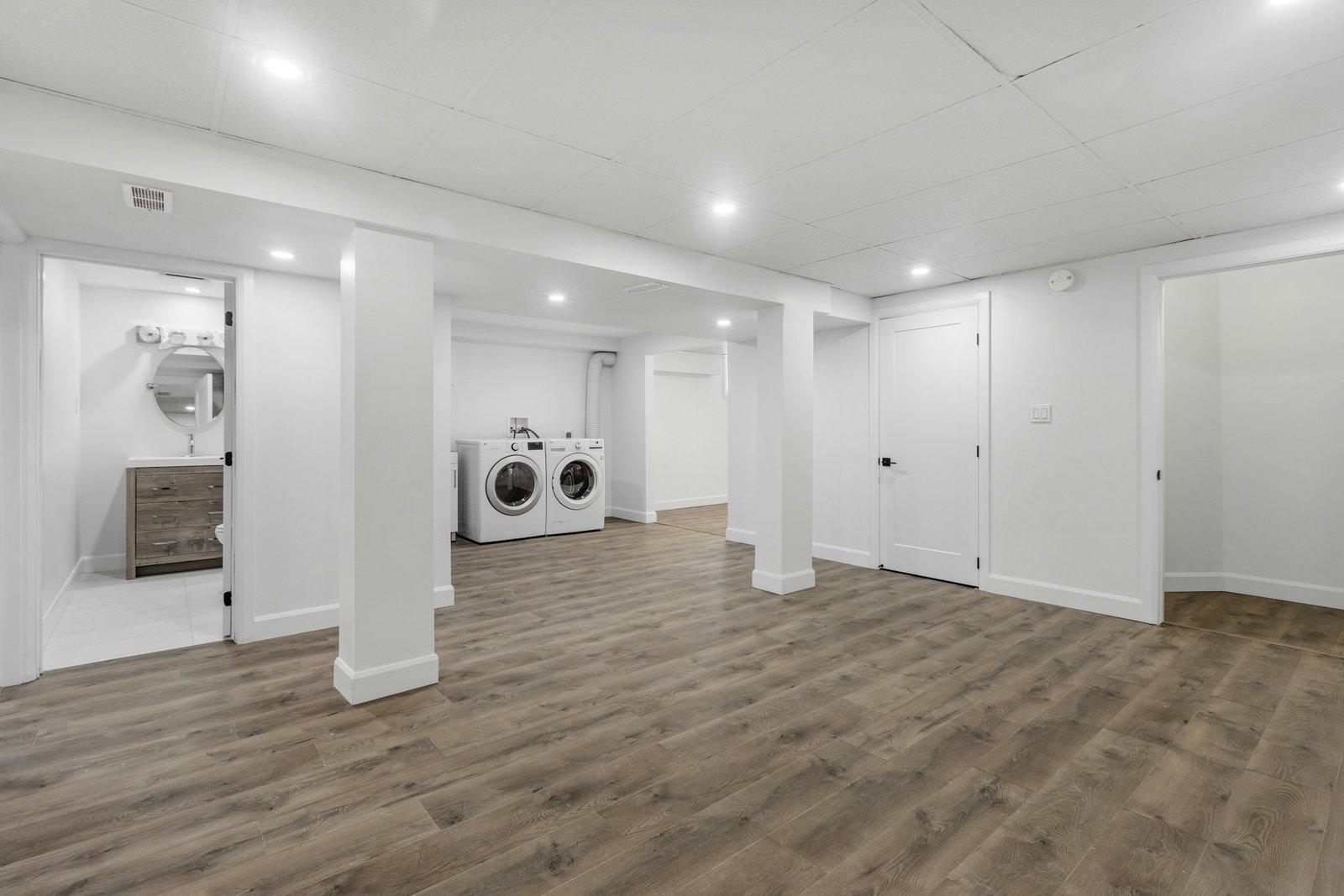
For a typical damp basement, the Midea Cube 50 Pint is the best dehumidifier for most people because it pairs a full 50-pint daily capacity with a bucket you rarely have to empty. Midea rates it for up to 4,500 square feet and lets you set the humidity anywhere from 35 to 85 percent. The removable bucket holds 4.2 gallons (15.9 liters), which Midea says is up to three times larger than a conventional dehumidifier’s, so a bucket-only setup can run much longer between trips to the sink.
The unusual part is the “lift and twist” body: you extend it to full size when the season is humid and nest it down to store it when the space dries out. A drain hose and garden hose adapter are in the box for continuous draining over a floor drain or into a sink, and the listing calls out ENERGY STAR, Wi-Fi control through the SmartHome app, Alexa and Google Assistant support and auto shut-off. It draws 490 watts, weighs 41.5 pounds and measures about 14.5 x 14.8 x 15 inches.
- 50 pints a day, up to 4,500 sq ft
- Huge 4.2 gallon bucket
- Drain hose included
- ENERGY STAR, Wi-Fi and voice control
- Heavy at 41.5 pounds
- No pump, so the hose only drains downhill
Best for: Most basements, laundry rooms and crawl-space-adjacent rooms with a floor drain nearby
Check current price on Amazon →2. Midea 50 Pint Dehumidifier with Pump: Best Dehumidifier with Pump
If your basement has no floor drain, the best dehumidifier with pump is the simpler long-term answer, and this Midea is our pick. Its built-in pump pushes water vertically or horizontally, so you can send it up into a laundry sink or out of a basement window and never empty the bucket. If you would rather not use the pump, you can connect a standard garden hose to the gravity drain socket (that hose is not included) or simply empty the 1.6 gallon tank.
Capacity is 50 pints a day for up to 4,500 square feet, with a humidity setting from 35 to 85 percent; the listing suggests a 45 to 55 percent range for comfort. Midea lists 49 dBA on low, three fan speeds, Wi-Fi with Alexa and Google Assistant, ENERGY STAR, and an automatic stop when the tank is full with restart once it is emptied. It draws 470 watts and weighs 42.1 pounds. The listing does not state the length of pump tubing in the box, so check before you plan a long run.
- Built-in pump drains up to a sink or window
- ENERGY STAR, 470 W
- Wi-Fi and voice control
- Auto stop and restart
- Pump hose length not stated
- Smaller 1.6 gallon bucket than the Cube
Best for: Basements without a floor drain, finished basements, anyone tired of emptying a bucket
Check current price on Amazon →3. Waykar 80 Pints Dehumidifier: Best for Large Rooms and ENERGY STAR Efficiency
The Waykar 80 Pints is the best dehumidifier here for big open basements, large family rooms and whole floors, and it is one of the most efficient-looking options here on paper. Waykar rates it for up to 5,000 square feet and 80 pints a day, measured at 95°F and 90 percent humidity, and the listing says it is ENERGY STAR certified. Its rated draw is just 270 watts, well under the 470 to 490 watts of the 50-pint Midea units, which matters if it runs for months every summer.
It is also the quietest full-size unit on the list by its own spec: Waykar puts operation at around 42 dB, which it describes as soft background white noise. A 90 degree auto swing louver spreads dry air across the room, the humidity setting reaches down to 30 percent (most units stop at 35 or 40), and there is a 24-hour timer, auto defrost and overload protection. The 1.14 gallon tank is small for a unit this size, so plan on the included drain hose for continuous drainage. It weighs about 31 pounds.
- ENERGY STAR, rated 270 W
- Listed around 42 dB
- 30 to 80 percent humidity range
- Auto swing louver, auto defrost
- Small 1.14 gallon tank
- Capacity rated at harsher 95°F conditions, so real-world pints will be lower
Best for: Large basements, open-plan living areas, people watching their power bill
Check current price on Amazon →4. hOmeLabs 50 Pint Dehumidifier with Pump: Best for Very Large or Wet Basements
The hOmeLabs 50 Pint with Pump is aimed at the biggest spaces in this guide: hOmeLabs rates it for up to 7,500 square feet. It removes up to 50 pints a day at 80°F and 60 percent humidity, and up to 120 pints at 95°F and 90 percent, and its built-in pump lets you set it up for continuous drainage without a floor drain. Airflow is listed at 218 CFM in Turbo mode and 188 CFM in Standard mode.
The control panel shows a humidity readout and offers Comfort, Turbo and Continuous modes plus timer settings, and Wi-Fi lets you adjust it from your phone. A check-filter indicator reminds you to rinse the washable filter, and the listing also mentions auto defrost and auto shut-off. Two things the listing does not state: its wattage and whether this model is ENERGY STAR certified, so if efficiency is your top priority the Midea and Waykar picks are the safer bets. The 1.6 gallon bucket is modest, but with the pump you will rarely use it.
- Rated up to 7,500 sq ft
- Built-in pump and Wi-Fi
- Humidity readout and three modes
- Washable filter with reminder
- Wattage and ENERGY STAR status not stated
- Tall at about 24 inches
Best for: Very large basements, damp workshops, homes in humid climates that need a dehumidifier with pump
Check current price on Amazon →5. GE 35 Pint Dehumidifier: Best Mid-Size for Bedrooms and Living Rooms
Not every room needs a 50-pint machine, and the best dehumidifier for a bedroom or living room is often a mid-size one. The GE 35 Pint is a mid-size unit rated for up to 3,000 square feet that GE positions for primary bedrooms, living rooms, medium basements and laundry rooms. Its Smart Dry feature adjusts fan speed to the room’s humidity instead of running flat out, which GE says avoids over-drying and saves electricity compared with constant high speed. You set the target anywhere from 30 to 70 percent on the humidistat and choose from three fan speeds.
It drains either into an 8.5 pint bucket or through a built-in drain hose connection for continuous drainage, and it sounds a 10-second alarm when the bucket is full or missing. Pocket handles and wheels make it easy to roll between rooms, the slide-out filter is washable with a reminder light, and auto restart and auto defrost are included. GE does not list wattage, noise level or ENERGY STAR status for this model, so treat it as a practical, simple mid-size choice rather than an efficiency pick.
- Sized for 3,000 sq ft and mid-size rooms
- Smart Dry fan control
- 30 to 70 percent humidistat
- Wheels and auto restart
- Small 8.5 pint bucket
- Wattage, noise and ENERGY STAR not stated
Best for: Bedrooms, living rooms and medium basements that are damp but not wet
Check current price on Amazon →6. Midea Cube 20 Pint Dehumidifier: Best Quiet Dehumidifier for Bedroom and Apartments
For a bedroom, home office or apartment, the best dehumidifier is usually a smaller ENERGY STAR model, and the Midea Cube 20 Pint is our quiet dehumidifier for bedroom pick, mostly because of how it behaves rather than a decibel number (Midea does not list one). At 214 watts it is the lowest-draw compressor model here, it is rated for up to 1,500 square feet, and its 3.2 gallon bucket is enormous for a small unit, so it can run through the night without filling and beeping. Midea notes its 20-pint rating is similar to a 30-pint unit under the older 2012 DOE test.
It shares the bigger Cube’s lift-and-twist design, so it nests down to a compact cube about 13.5 inches on each side when you do not need it. You get a 35 to 85 percent humidity setting, a drain hose and garden hose adapter in the box, Wi-Fi with Alexa and Google Assistant, auto restart after power outages, auto defrost, a washable filter and ENERGY STAR. It weighs 33.3 pounds, so it is better parked in one spot than carried room to room.
- ENERGY STAR, just 214 W
- 3.2 gallon bucket for long, uninterrupted runs
- Nests down for storage
- Drain hose included
- Noise level not stated
- Heavy for its size at 33.3 pounds
Best for: Bedrooms, apartments, home offices and small basements up to about 1,500 sq ft
Check current price on Amazon →7. Pro Breeze Electric Mini Dehumidifier: Best Small Dehumidifier for Bathroom
The best dehumidifier for a small bathroom is not a big compressor unit, which is overkill for a bathroom without an exhaust fan, a laundry closet or an RV. The Pro Breeze Electric Mini is a thermoelectric unit sized for rooms of 1,200 to 2,200 cubic feet (about 215 square feet). It removes up to about 9 ounces of water a day into a 16 to 17 ounce tank, then shuts off automatically and lights an LED when the tank is full.
The big advantages are size, noise and power: it measures about 4 x 8 x 6 inches, weighs 2.4 pounds, is described as whisper quiet and draws only 21 to 23 watts. The trade-off is capacity and temperature: like all mini dehumidifiers, it works best between 59 and 86°F and will not work below 41°F, so it is not a basement solution. Keep the dust intake vents clear, as Pro Breeze recommends, to keep airflow up.
- Tiny footprint, about 2.4 pounds
- Low 21 to 23 W draw
- Auto shut-off when full
- Quiet enough for a bedroom
- Removes only about 9 oz a day
- Not for cold spaces under 41°F
Best for: Small bathrooms, closets, RVs and small bedrooms that feel slightly damp
Check current price on Amazon →8. Eva-Dry E-333 Wireless Mini Dehumidifier: Best Cordless for Closets and Cabinets
For enclosed spaces with no outlet, such as closets, gun safes, cabinets and boats, the Eva-Dry E-333 is a renewable silica gel dehumidifier rather than a machine. Eva-Dry rates it for areas up to 333 cubic feet; it absorbs up to 6 ounces of moisture and lasts about 20 to 30 days before it needs recharging. You hang it or set it down, and it runs cordless and silent.
When it is full, you plug it in to dry the beads out (it draws 22.5 watts while recharging), then put it back. The listing describes it as spill-free and non-toxic, measures about 6.25 x 1.25 x 4.75 inches and comes with a hanging hook and a 5-year warranty. It will not dry a room, but it is an easy fix for a musty closet or a bathroom cabinet.
- Cordless, silent, no tank to empty
- Renewable, rechargeable silica gel
- 5-year warranty
- Fits closets and safes
- Small 6 oz capacity
- Not meant for whole rooms
Best for: Closets, cabinets, safes, cars and boats
Check current price on Amazon →What size dehumidifier do I need? Pint chart by room size and dampness
“What size dehumidifier do I need?” is the question that decides whether a unit fixes the problem or runs nonstop without catching up. ENERGY STAR says capacity depends on two things: the size of the space and how damp it is before you start. It also advises that it is better to oversize than undersize. Use the condition column to describe your space honestly, then read across to your square footage.
| How the space looks and feels | Approx. humidity | Up to 500 sq ft | 500 to 1,000 sq ft | 1,000 to 2,000 sq ft | Over 2,000 sq ft |
|---|---|---|---|---|---|
| Moderately damp: musty smell now and then, feels damp in humid weather | 50 to 75% | Mini unit or 20 pints | 20 pints | 20 to 30 pints | 30+ pints (35 to 50 is safer) |
| Very damp: always smells and feels damp, damp spots on walls or floor | 75 to 90% | 20 pints | 20 to 30 pints | 25 to 40 pints | 40+ pints (50 is the usual pick) |
| Wet: walls or floor sweat, seepage, laundry drying indoors | 90 to 100% | 30 pints | 30 to 35 pints | 35 to 50 pints | 50+ pints, plus a pump or hose |
The ranges for under 2,000 and over 2,000 square feet follow the ENERGY STAR sizing chart for portable dehumidifiers; the narrower square-footage columns are our own interpolation to make the chart easier to use. If you are replacing an old dehumidifier, ENERGY STAR suggests judging by how much water you empty each day. Remember that capacity ratings changed under the newer federal test (run at 65°F rather than 80°F), so a 50-pint unit today removes roughly what an older 70-pint label promised. The Midea Cube 20 listing, for example, says its 20 pints is similar to 30 pints under the 2012 test.
Quick picks from the chart
- Bathroom, closet or RV (under 250 sq ft): Pro Breeze Mini, or the Eva-Dry E-333 inside a closet
- Bedroom, office or apartment (up to about 1,500 sq ft, moderately damp): Midea Cube 20 Pint
- Living room, medium basement (up to 3,000 sq ft, damp): GE 35 Pint
- Typical basement, very damp: Midea Cube 50 Pint, the best dehumidifier for basement use with a floor drain nearby
- Basement with no floor drain: Midea 50 Pint with Pump or hOmeLabs 50 Pint with Pump
- Large open basement or whole floor: Waykar 80 Pints or hOmeLabs 50 Pint with Pump
Ideal indoor humidity: 30 to 50 percent
The best dehumidifier is not the one that makes the air as dry as possible. The EPA’s guide to mold and moisture recommends keeping indoor humidity below 60 percent, ideally between 30 and 50 percent. ENERGY STAR gives the same 30 to 50 percent range and adds that in colder climates during the heating season, 30 to 40 percent helps prevent window condensation. Above that range, mold has an easier time; below about 30 percent, you start to feel dry skin and static, which is when a humidifier, not a dehumidifier, is the right tool.
Set the humidistat to 45 or 50 percent to start, check a hygrometer after a few days, and lower it if the space still smells musty. All ENERGY STAR dehumidifiers include a built-in humidistat, so the unit cycles off when it reaches your target instead of running all day. The EPA also stresses that wet materials should be dried within 24 to 48 hours of a leak or spill to prevent mold, so a dehumidifier is a good partner to, not a substitute for, fixing the water source.
How much does a dehumidifier cost to run?
You can estimate running cost yourself with one formula: watts ÷ 1,000 × hours per day × your electricity rate. The result is cost per day. For the rate, look at your utility bill or use the U.S. average from the U.S. Energy Information Administration, which lists the average residential price at about 18.3 cents per kWh for July 2026. Here is the math for the picks whose listings state wattage, assuming 12 hours of compressor run time a day:
| Dehumidifier | Rated watts | kWh per day (12 h) | Cost per day at 18.3 cents | About per 30 days |
|---|---|---|---|---|
| Pro Breeze Mini (runs 24 h) | 21 to 23 W | About 0.5 kWh | About 9 cents | About 3 dollars |
| Midea Cube 20 Pint | 214 W | 2.57 kWh | About 47 cents | About 14 dollars |
| Waykar 80 Pints | 270 W | 3.24 kWh | About 59 cents | About 18 dollars |
| Midea 50 Pint with Pump | 470 W | 5.64 kWh | About 1 dollar | About 31 dollars |
| Midea Cube 50 Pint | 490 W | 5.88 kWh | About 1.08 dollars | About 32 dollars |
Real costs are usually lower once the room reaches your set humidity, because the compressor cycles off and only the fan or nothing runs. They are higher in a wet basement in August. Two habits cut the bill: keep doors and windows to the space closed while it runs, and choose ENERGY STAR. ENERGY STAR says certified dehumidifiers remove the same moisture as a similar conventional unit while using about 20 percent less energy. Electricity rates vary a lot by state; our guide to the average heating bill by state shows how wide the gap can be, and a smart thermostat helps you see how the rest of your HVAC is running.
Compressor vs mini (thermoelectric) vs desiccant absorber
| Compressor (Midea, Waykar, GE, hOmeLabs) | Thermoelectric mini (Pro Breeze) | Silica gel absorber (Eva-Dry) | |
|---|---|---|---|
| How it works | A fan pulls air over cold coils; moisture condenses and drips into a bucket | A small cooling plate condenses moisture from a gentle airflow | Beads soak up moisture, then you plug it in to dry them out |
| Daily capacity | 20 to 50+ pints | About 9 oz | 6 oz per 20 to 30 day cycle |
| Space | Rooms, basements, whole floors | Bathrooms, closets, RVs | Closets, safes, cabinets |
| Noise | Steady fan and compressor hum | Whisper quiet (listed) | Silent |
| Cold spaces | Needs auto defrost below about 65°F | Not below 41°F | Works without power |
| Drain options | Bucket, gravity hose, some have pumps | Tank only | None needed |
Where to put a dehumidifier and how to set up the drain
Even the best dehumidifier underperforms in the wrong spot. Placement and drainage decide whether your new unit works quietly in the background or becomes another chore. These tips follow ENERGY STAR’s placement best practices plus each listing’s drain details.
- Give it breathing room. Units with top-mounted air discharge can sit near a wall; others should be kept away from walls and furniture so air circulates freely around the unit.
- Close the space. Shut doors and windows to the area you are drying so the unit is not trying to dehumidify the outdoors.
- Keep it out of the dust. Do not park it next to a workbench or woodworking tools; dust clogs coils and grills.
- Use a grounded outlet and keep drain hoses away from cords, outlets and electrical devices.
- Gravity drain: the hose must run downhill the whole way to a floor drain or sump. Put the unit on a sturdy stand or shelf if the drain is not far below the outlet, and keep the hose short to avoid kinks and trip hazards.
- Pump drain: a dehumidifier with pump (the Midea 50 Pint with Pump or hOmeLabs 50 Pint with Pump) can push water up into a laundry sink or out a basement window, which is the fix when there is no floor drain.
- Cold basements: if the space often sits below 65°F, ENERGY STAR notes frost can form on the coils; pick a unit with auto defrost (the Waykar, GE, Midea Cube 20 and hOmeLabs listings all mention it).
- Expect a little warmth. A dehumidifier slightly warms the air around it; that is normal.
In a bathroom, the first step is the exhaust fan or an open window during and after showers, as the EPA recommends. A mini unit like the Pro Breeze then handles the leftover dampness. Pair it with a quick-drying rug such as the one in our chenille bath rug review, a mildew-resistant liner from our best shower curtains guide, and the ventilation ideas in our spa bathroom ideas.
How to choose the best dehumidifier: 6 things to check
1. Capacity for your dampness, not just square feet
Use the pint chart above to match the best dehumidifier size to your space. A 1,000 square foot basement that smells musty all summer needs more capacity than a dry 1,000 square foot living room. When in doubt, step up one size: a larger unit reaches your target faster and cycles off sooner.
2. ENERGY STAR certification
ENERGY STAR models use more efficient coils, compressors and fans. Efficiency is measured as the integrated energy factor in liters of water removed per kWh; higher is better. In this guide the Midea Cube 50, Midea 50 Pint with Pump, Midea Cube 20 and Waykar 80 Pints list ENERGY STAR; for the others it is not stated.
3. Drainage: bucket, hose or pump
A big bucket (like the Cube’s 4.2 gallons) is fine for occasional use. For a basement that runs all season, plan on continuous drainage: a gravity hose if you have a floor drain, or the best dehumidifier with pump if you need to drain up or across the room.
4. Noise for bedrooms and living spaces
Compressor units always hum. For a quiet dehumidifier for bedroom use, look for a listed low-speed rating (the Waykar lists about 42 dB, the Midea pump unit 49 dBA on low), a large bucket so it does not stop and beep at night, or a thermoelectric mini for small rooms.
5. Humidistat range and auto restart
A setting that reaches 35 percent or lower gives you room to work; the Waykar and GE go to 30 percent. Auto restart restores your settings after a power cut, which matters for basements nobody visits daily.
6. Weight and portability
The 50-pint units weigh about 30 to 42 pounds, so the best dehumidifier for a multi-room setup may be two smaller units. If you plan to move one between rooms, wheels and handles (like the GE’s) help; otherwise pick a spot and leave it there.
Dehumidifier cleaning and maintenance schedule
| How often | Task | Why |
|---|---|---|
| Each time you empty it | Rinse the bucket with water; wipe the rim | Standing water can grow slime and smell |
| Every 2 weeks (or when the filter light comes on) | Rinse the washable air filter with water and let it dry fully | A dusty filter cuts airflow and raises run time |
| Monthly in humid season | Wash the bucket with mild detergent; check the hose for kinks, slime and a tight fit | Keeps continuous drainage flowing and prevents leaks |
| Monthly (pump models) | Run water through the pump path and confirm the outlet end is clear | A blocked pump line can back up and stop the unit |
| Every season | Vacuum dust from the intake grill and around the coils (unplugged) | Dust on coils lowers efficiency |
| Before storage | Empty, dry the bucket and filter, coil the cord, store upright | Prevents mildew inside the unit over winter |
| Mini and absorber units | Clear the Pro Breeze intake vents; recharge the Eva-Dry every 20 to 30 days | Keeps small units working at full capacity |
hOmeLabs, for example, recommends cleaning its filter with potable water and the unit and bucket with a mild detergent. Always unplug before cleaning and follow your manual. If you find visible mold while cleaning the space itself, the EPA’s guidance on mold cleanup in your home explains when you can handle it yourself and when to call a professional.
Damp air is often a winter problem too, especially in basements and around cold windows. If you are heating a cool basement room, our best space heaters guide compares heater types and safety features; warmer air also makes a dehumidifier work more efficiently.
How we chose these dehumidifiers
We did not test these dehumidifiers hands-on. We started with what US shoppers search for when they look for the best dehumidifier (basement units, pump models, quiet bedroom units, small bathroom units and sizing questions), then read each Amazon listing for capacity, the conditions that capacity was measured at, coverage, tank size, drain options, wattage, noise, humidity range and ENERGY STAR status.
We chose a mix of compressor, thermoelectric and desiccant types from established brands, matched each one to the job its published specs suit best, and built the sizing chart and humidity guidance from ENERGY STAR and EPA sources. Where a listing does not state a figure, we say so rather than guess. Listings change, so check current details on Amazon before you buy.
Helpful resources: EPA: A Brief Guide to Mold, Moisture and Your Home, ENERGY STAR: Dehumidifiers and EIA: Average Price of Electricity by Sector.
Dehumidifier FAQ
What is the best dehumidifier for most homes?
For most homes, the best dehumidifier is a 50-pint ENERGY STAR unit with a drain option. Our top pick is the Midea Cube 50 Pint: it is rated for up to 4,500 sq ft, has a 4.2 gallon bucket and an included drain hose, and offers Wi-Fi control. For small rooms, the Midea Cube 20 Pint uses just 214 watts.
What size dehumidifier do I need?
To answer what size dehumidifier do I need, start with how damp the space is. ENERGY STAR suggests 20 to 30 pints for a moderately damp space under 2,000 sq ft, 25 to 40 pints if it is very damp and 30 to 50 pints if it is wet. Spaces over 2,000 sq ft need 30, 40 or 50+ pints. When unsure, size up.
What is the best dehumidifier for basement use?
The best dehumidifier for basement use is usually a 50-pint model with continuous drainage. The Midea Cube 50 Pint suits basements with a floor drain, while the Midea 50 Pint with Pump or the hOmeLabs 50 Pint with Pump can drain up into a sink or out a window when there is no floor drain. Set it to 45 to 50 percent humidity.
Is a dehumidifier with pump worth it?
A dehumidifier with pump is worth it if your basement has no floor drain or the drain sits higher than the unit. The pump pushes water up or across to a sink or window, so you never empty the bucket. If you have a floor drain below the unit, a gravity hose works and a pump is not needed.
What is a good quiet dehumidifier for bedroom use?
For a quiet dehumidifier for bedroom use, choose a unit sized to the room so it cycles off often, with a large bucket so it does not stop and beep at night. The Midea Cube 20 Pint holds 3.2 gallons and draws 214 watts; the Waykar 80 Pints is listed at about 42 dB. For very small bedrooms, the Pro Breeze Mini is described as whisper quiet.
How much does it cost to run a dehumidifier?
Multiply watts by hours, divide by 1,000 and multiply by your electricity rate. At the EIA US average of about 18.3 cents per kWh, a 490 watt 50-pint unit running 12 hours costs about 1.08 dollars a day, while a 214 watt 20-pint unit costs about 47 cents. Costs drop once the humidistat cycles the unit off.
Also Explore
Latest Posts
 7 Best Christmas Stocking Holders for Every Mantel (2026)
 Best Hanging Toiletry Bag for Women (2026): 8 Organized Picks for Travel and Cruises
 Best Butter Dish with Lid (2026): 8 Picks for Counter and Fridge
 Best Luxury Nail Polish Gift Set: 7 Picks for Christmas (2026)
 Best Boot Tray for Winter (2026): 8 Picks for Snowy, Muddy Entryways
 Best Watch Winder for Automatic Watches (2026): 7 Quiet Picks and a Gift Guide for Him