Siding Replacement Cost (2026): Vinyl, Fiber Cement and Wood

Quick answer
Siding replacement cost: Replacing siding costs about $4 to $10 per square foot for vinyl and $6 to $14 per square foot for fiber cement, installed, in 2026. A home with about 2,000 sq ft of wall area typically pays $8,000 to $20,000 for vinyl or $12,000 to $28,000 for fiber cement, including removal of the old siding.
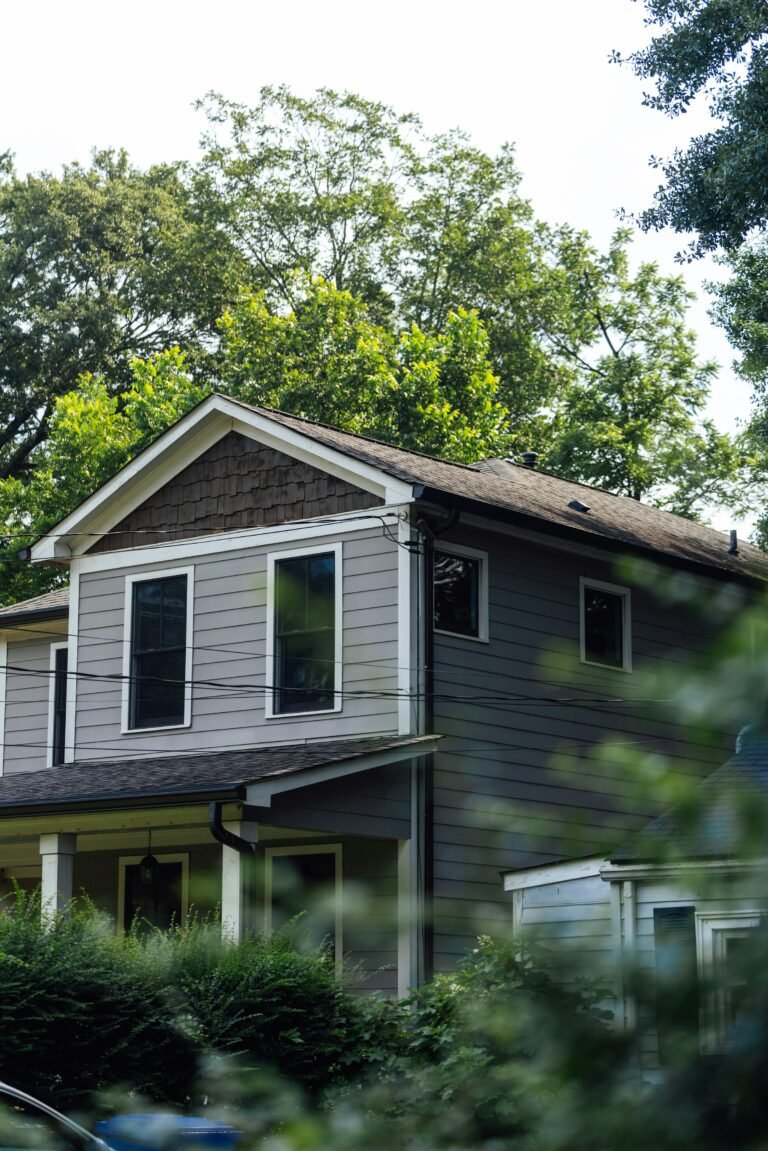
Siding protects your home from weather and makes the biggest visual difference on the outside of a house. Here is what each material costs, how contractors measure, and when replacement is worth it.
Also Explore
Siding cost by material
| Siding | Installed cost per sq ft | Upkeep | Typical lifespan |
|---|---|---|---|
| Vinyl | $4 – $10 | Wash yearly | 20 – 40 years |
| Engineered wood | $5 – $12 | Repaint every 10 – 15 years | 20 – 30 years |
| Fiber cement | $6 – $14 | Repaint every 10 – 15 years | 30 – 50 years |
| Wood (cedar) | $6 – $15 | Stain or paint every 3 – 7 years | 20 – 40 years |
| Metal (steel or aluminum) | $5 – $12 | Low | 30 – 50 years |
| Brick or stone veneer | $10 – $30 | Very low | 50+ years |


How siding is measured
Contractors measure the wall area of your home, not the floor area. Siding is often sold in “squares” of 100 square feet. A simple 2,000 sq ft two-story home often has about 2,000 to 2,500 square feet of wall area after subtracting windows and doors, plus 10% for waste.
Example: about 2,000 sq ft of wall area
| Material | Estimated total |
|---|---|
| Vinyl | $8,000 – $20,000 |
| Engineered wood | $10,000 – $24,000 |
| Fiber cement | $12,000 – $28,000 |
| Cedar | $12,000 – $30,000 |
New siding is the moment to fix what is behind it. Ask your contractor to replace the house wrap and flashing around every window and door.
What adds to the cost
- Tear-off and disposal: usually $1 to $3 per square foot, sometimes included.
- Rotted sheathing: found only after removal and priced per sheet.
- House wrap and insulation board: improves comfort and efficiency.
- Height and shape: tall walls, gables and corners take more time.
- Trim, soffit and fascia: often priced separately.
- Lead-safe work: may apply to homes built before 1978.

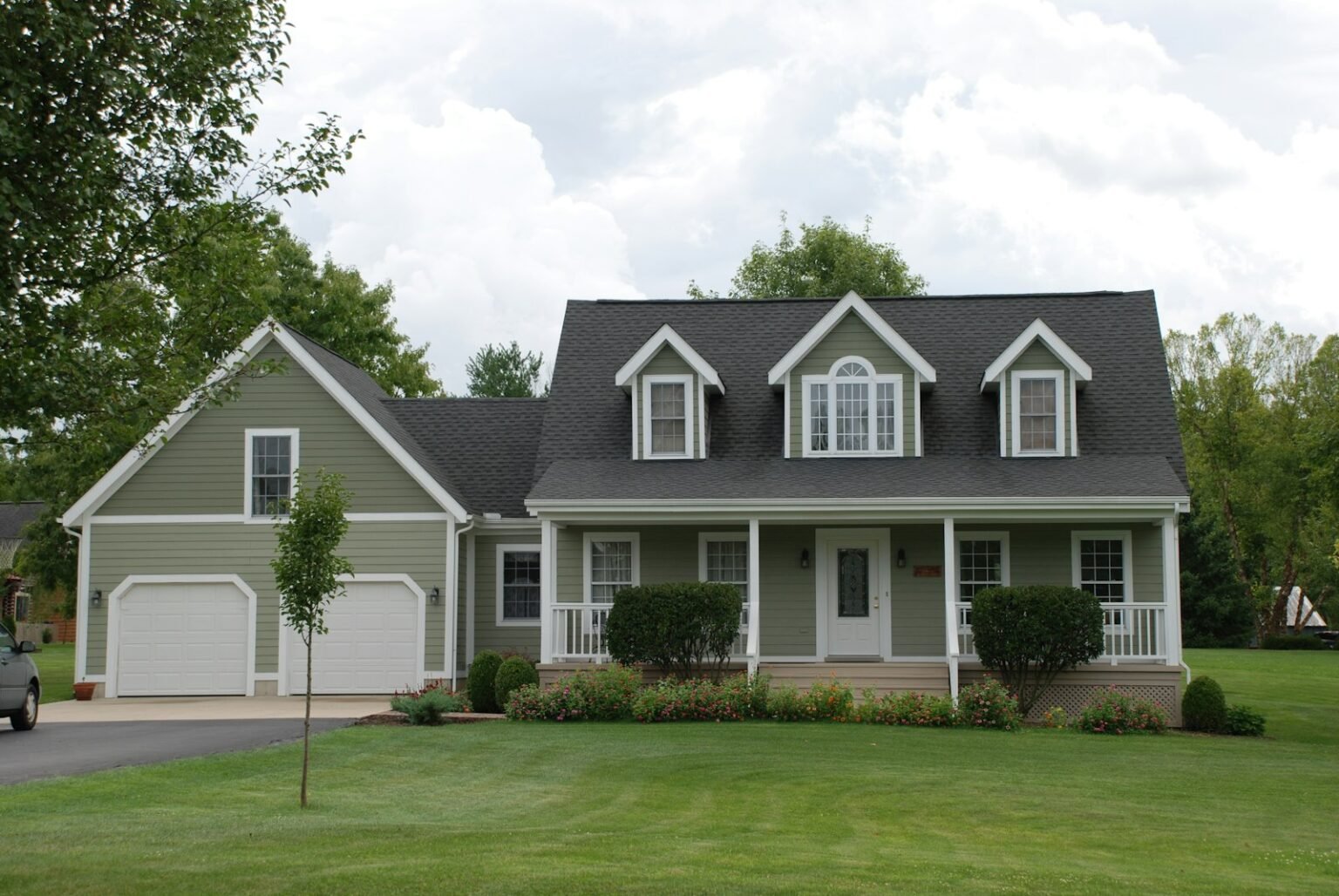
Signs You Need New Siding
- Warped, cracked or loose panels.
- Rot or soft spots, especially near the ground.
- Paint that peels again soon after painting.
- Mold or water stains on interior walls.
- Rising energy bills and drafts.
Vinyl vs. fiber cement
| Vinyl | Fiber cement | |
|---|---|---|
| Upfront cost | Lower | Higher |
| Look | Can look plastic up close | Looks like painted wood |
| Fire resistance | Melts | Non-combustible |
| Upkeep | Wash; never needs paint | Repaint every 10 – 15 years |
| Impact | Can crack in cold | Very durable |
Vinyl is the budget-friendly choice and works well in mild climates. Fiber cement costs more but holds up better to fire, hail and strong sun, and many buyers see it as a premium material.
Questions to ask a siding contractor
- What brand, profile and thickness are you quoting?
- Will you remove the old siding and replace the house wrap?
- How will you flash windows, doors and corners?
- How is rotted sheathing priced?
- Are trim, soffit and fascia included?
- What warranty covers labor and materials?
Ways to save
- Choose vinyl or engineered wood for the best price per square foot.
- Use premium siding only on the front of the house.
- Replace siding on one side at a time if only part is damaged.
- Get three quotes that list the same brand, profile and trim.
- Schedule in late fall or winter if your climate allows.

Siding replacement cost at a glance
Siding replacement costs about $4 to $14 per square foot of wall area installed in 2026, so most homes pay roughly $8,000 to $28,000 in total. Vinyl sits at the low end, fiber cement and cedar in the middle to upper range, and brick or stone veneer can cost $10 to $30 per square foot. Your home’s wall area, the material and how much repair is hiding behind the old siding drive the final number.
| Wall area | Vinyl | Fiber cement |
|---|---|---|
| 1,500 sq ft | $6,000 – $15,000 | $9,000 – $21,000 |
| 2,000 sq ft | $8,000 – $20,000 | $12,000 – $28,000 |
| 2,500 sq ft | $10,000 – $25,000 | $15,000 – $35,000 |
| 3,000 sq ft | $12,000 – $30,000 | $18,000 – $42,000 |
How much does it cost to remove and replace siding?
Removing and replacing siding costs about $5 to $14 per square foot for most common materials, with tear-off and disposal of the old siding typically accounting for about $1 to $3 per square foot of that. For a home with 2,000 sq ft of wall area, removal alone is usually about $2,000 to $6,000, and many contractors fold it into the installed price.
Here is roughly how a remove-and-replace quote breaks down:
| Cost item | Vinyl | Fiber cement |
|---|---|---|
| Removal and disposal of old siding | $1 – $3 per sq ft | $1 – $3 per sq ft |
| Siding materials | $1.50 – $4 per sq ft | $2 – $5 per sq ft |
| Installation labor | $1.50 – $3 per sq ft | $3 – $6 per sq ft |
| Typical total installed | $4 – $10 per sq ft | $6 – $14 per sq ft |
| House wrap (if replaced) | $0.50 – $1 per sq ft | $0.50 – $1 per sq ft |
| Rotted sheathing repair | About $70 – $150 per sheet | About $70 – $150 per sheet |
Old siding on homes built before 1978 may have lead paint, and some older homes have asbestos-cement siding. Both require special handling, which can add noticeably to the removal cost. Ask your contractor to check before work starts.
Average cost to replace house siding in 2025 and 2026
The average cost to replace house siding is about $12,000 to $18,000 for a typical home in 2026, with most projects falling between $8,000 and $28,000. Prices in 2026 are generally similar to or slightly above 2025 levels, mostly because of labor costs. If you have a 2025 quote, it is still a reasonable guide, but expect a modest increase if you sign this year.
Regional labor rates move the average too. Homes in the Northeast and on the West Coast often land near the top of each range, while much of the South and Midwest comes in near the middle or lower end. If a new deck is next on the list, read our cost to build a deck guide. Many owners update the garage door at the same time; see our garage door replacement cost breakdown.
Siding cost by home size
- Small home (about 1,200 to 1,500 sq ft of living space): often $6,000 to $15,000 with vinyl.
- Mid-size home (about 2,000 sq ft): often $8,000 to $20,000 with vinyl or $12,000 to $28,000 with fiber cement.
- Large home (3,000 sq ft or more): often $12,000 to $30,000 with vinyl and $18,000 or more with fiber cement.
These use rough wall areas. Your actual wall area depends on the number of stories, gables and windows, so ask each contractor for their measured square footage.
DIY vs hiring a pro
Vinyl siding is one of the more DIY-friendly exterior projects on a simple one-story home, and doing it yourself can save the labor share. The catch is flashing: poor flashing around windows, doors and corners lets water behind the siding, where it rots the wall unseen. Fiber cement is heavy, creates silica dust when cut, and usually needs a crew. Most manufacturer warranties also expect installation to their guidelines, so for two-story homes and premium materials, a pro is usually worth it.
Doing several exterior projects at once? See our window replacement cost and gutter replacement cost guides, since new siding is the easiest time to update both. If the roof is aging too, see our asphalt roof replacement cost guide and our metal roof vs shingles cost comparison.
Siding replacement cost: key takeaways
- Siding replacement cost depends most on the size of the job, the materials you pick and local labor rates.
- Get at least three written quotes, because siding replacement cost can vary a lot between contractors for the same scope.
- Ask exactly what is included. Removal, permits and cleanup can change your siding replacement cost more than the base price.
- Add a 10 to 15 percent buffer to your siding replacement cost estimate for surprises found once work starts.
Helpful resources: For more on siding replacement cost, see the ENERGY STAR and FTC tips on hiring a contractor.
Siding replacement cost: frequently asked questions
How much does it cost to replace siding on a house?
Most homes pay about $8,000 to $20,000 for vinyl and $12,000 to $28,000 for fiber cement, depending on size and prep.
Is fiber cement worth the extra cost?
Often yes in areas with wildfire risk, strong sun or harsh weather. It lasts longer and resists fire and insects better than vinyl or wood.
Can new siding go over old siding?
Sometimes, but most pros recommend removing old siding so they can check and repair the wall underneath.
How long does siding installation take?
A typical home takes one to two weeks, depending on size, weather and repairs.
What is the average cost to replace house siding?
The average cost to replace house siding is about $12,000 to $18,000 for a typical home in 2026. Most homeowners pay between $8,000 and $28,000, depending on wall area and material.
How much does it cost to remove old siding?
Removing and disposing of old siding typically costs about $1 to $3 per square foot, or about $2,000 to $6,000 for 2,000 sq ft of wall area. Many contractors include it in the installed price.
Sources: Fixr, HomeStars, Inspect and Test. Prices are national planning ranges, not quotes. See how we research costs.
Latest Posts
 Best Boot Tray for Winter (2026): 8 Picks for Snowy, Muddy Entryways
 Best Watch Winder for Automatic Watches (2026): 7 Quiet Picks and a Gift Guide for Him
 Best Ice Ball Maker for Whiskey: 8 Clear Picks (2026 Gift Guide)
 Best Luxury Hair Perfume for Women: 8 Designer Hair Mists Worth Gifting (2026)
 Best Garment Racks With Covers (2026): Rolling, Heavy-Duty and Dust-Proof Clothes Racks
 Best Tennis Bracelets on Amazon (2026): CZ, Moissanite and Lab-Grown Diamond Gifts for Her


