How Much Is a Security Deposit? (And How to Get It Back)

Quick answer
How much is a typical security deposit? In 2026 a typical security deposit is one month’s rent, and some landlords ask 1.5 to 2 months from renters with lower credit or pets. Many states cap deposits at one to two months’ rent, and landlords usually must return it within about 14 to 30 days after move-out, minus damage beyond normal wear and tear.
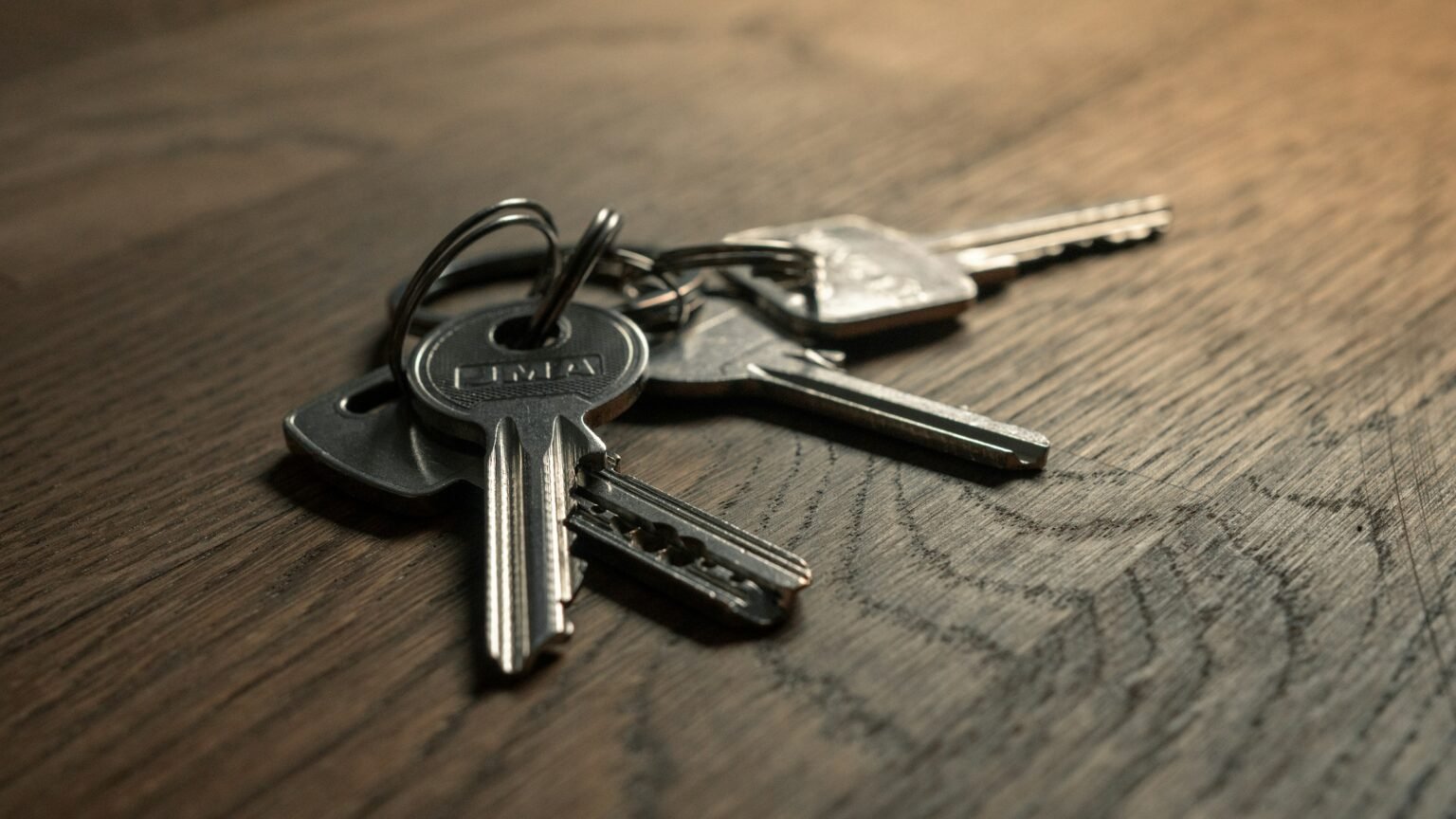
The security deposit is often your biggest move-in cost after first month’s rent. Here is how much deposits usually are, state limits, what landlords can deduct, and how to get your full deposit back. Updated for 2026.
How much is a typical security deposit?
Most landlords charge a security deposit equal to one month’s rent. Some ask for more (1.5 to 2 months) for renters with lower credit, pets or no rental history, and some offer lower or no-deposit options. On a $1,500 apartment, a one-month deposit is $1,500.
| Monthly rent | 1 month deposit | 1.5 months | 2 months |
|---|---|---|---|
| $1,000 | $1,000 | $1,500 | $2,000 |
| $1,500 | $1,500 | $2,250 | $3,000 |
| $2,000 | $2,000 | $3,000 | $4,000 |
| $2,500 | $2,500 | $3,750 | $5,000 |
State limits on security deposits
Many states cap how much a landlord can charge, often at one to two months’ rent, and some have no cap at all. For example, California limited most security deposits to one month’s rent starting July 1, 2024 (small landlords can still ask for up to two months). Rules can also differ for furnished units, small landlords and pets. Search for your state’s landlord-tenant law or ask your local housing agency.
What a landlord can deduct
- Can deduct: unpaid rent, damage beyond normal wear and tear (holes in walls, broken fixtures, pet damage), cleaning if the unit is left very dirty, and unreturned keys in some cases.
- Cannot deduct (usually): normal wear and tear, like light scuffs, faded paint, small nail holes or carpet wear from normal use.
When you get it back
Most states require landlords to return the deposit, or send an itemized list of deductions, within a set time after you move out, commonly about 14 to 30 days. Give your landlord a forwarding address in writing.
Before you sign, use our list of questions to ask a landlord to confirm the deposit terms. If your credit is the reason for a higher deposit, see how to rent an apartment with bad credit, and keep move-in cash lower with how to find cheap apartments.
Move-in photos and a written move-out walk-through are your best protection for getting the full deposit back.
How to get your full deposit back
- Do a move-in inspection and take dated photos and video of every room.
- Report problems in writing during your stay.
- Clean thoroughly before you move out, including appliances.
- Patch small holes and replace burned-out bulbs.
- Ask the landlord for a move-out walk-through.
- Return all keys and give a forwarding address in writing.
- If deductions seem wrong, respond in writing and check your state’s rules.
Deposit checklist
- Know your state’s cap.
- Move-in photos.
- Report repairs in writing.
- Clean and patch at move-out.
- Forwarding address in writing.
How much is a security deposit on your rent? Worked examples
The simplest way to plan is to multiply your monthly rent by the number of months a landlord asks for. These planning examples use the common one-month deposit and the higher 1.5- and 2-month deposits some landlords charge for lower credit, pets or no rental history.
| Monthly rent | 1 month (typical) | 1.5 months | 2 months |
|---|---|---|---|
| $1,000 | $1,000 | $1,500 | $2,000 |
| $1,250 | $1,250 | $1,875 | $2,500 |
| $1,500 | $1,500 | $2,250 | $3,000 |
| $1,800 | $1,800 | $2,700 | $3,600 |
| $2,000 | $2,000 | $3,000 | $4,000 |
| $2,500 | $2,500 | $3,750 | $5,000 |
Remember that the deposit is only one part of your move-in cash. Most landlords also want first month’s rent, and some add an application fee, admin fee or pet deposit. On a $1,500 apartment with a one-month deposit, you would plan for at least $3,000 at signing before fees. See our full guide to apartment move-in costs for the whole list.
What changes how much a landlord asks for
Two renters can be quoted different deposits for the same apartment. These are the factors that usually move the number up or down:
- Credit score and history. Lower credit or past collections often means a higher deposit, sometimes 1.5 to 2 months.
- Income versus rent. If your income is close to the minimum the landlord requires, they may ask for a bigger deposit or a co-signer.
- Rental history. First-time renters or people with a past eviction may pay more.
- Pets. Many landlords add a separate pet deposit on top of the regular deposit, plus monthly pet rent.
- Furnished units. Some states allow a higher cap for furnished apartments.
- State and local law. Many states cap deposits, often at one to two months’ rent, which limits how high the number can go.
- Move-in specials. Some buildings offer a reduced deposit to fill units faster, especially in slower seasons.
Alternatives to a traditional security deposit
If coming up with a full deposit is hard, ask the landlord whether any of these options are available. Read the terms carefully, because some cost more over time.
| Option | How it works | What to watch for |
|---|---|---|
| Deposit installments | You pay the deposit over two or three months instead of all at once. | Get the payment schedule in writing. |
| Deposit insurance (surety bond) | You pay a smaller, non-refundable fee instead of a deposit. | The fee is not returned, and you may still owe for damage. |
| Lower deposit with higher rent | The landlord reduces the deposit in exchange for slightly higher monthly rent. | Compare the total cost over the full lease. |
| Co-signer or guarantor | A co-signer helps you qualify with a standard deposit. | The co-signer is responsible if you do not pay. |
| Local assistance programs | Some cities and nonprofits help with deposits for eligible renters. | Funding is limited; apply early. |
How to dispute security deposit deductions
If your landlord keeps part of your deposit and you think the deductions are wrong, follow these steps in order:
- Read the itemized list. Compare each charge with your move-in photos, move-out photos and the lease.
- Separate damage from wear and tear. Light scuffs, faded paint, small nail holes and normal carpet wear are usually not deductible.
- Write a dispute letter. List each charge you disagree with, explain why, attach photos, and ask for the amount back by a specific date.
- Check your state’s rules. Many states set a deadline for returning deposits and require an itemized list; landlords who miss them may lose the right to keep any part of it.
- Contact a local tenant group or legal aid. They can explain your options for free in many areas.
- Consider small claims court. Deposit disputes are a common small claims case, and you usually do not need a lawyer.
Keep copies of everything: the lease, the move-in checklist, photos, texts and emails. Dated records are the strongest evidence you have.
Security deposit checklist from move-in to move-out
| When | What to do |
|---|---|
| Before signing | Ask how much the deposit is, whether it is refundable, and how and when it is returned. |
| At signing | Get a receipt and confirm where the deposit is held if your state requires it. |
| Move-in day | Walk through every room, note damage on a checklist, and take dated photos and video. |
| During the lease | Report repairs in writing and keep copies. |
| 30 days before move-out | Give proper written notice and ask about a pre-move-out inspection. |
| Move-out day | Clean, patch small holes, take photos, return all keys, and give a forwarding address in writing. |
| After move-out | Watch for the refund or itemized list within your state’s deadline. |
Knowing how much is a security deposit before you apply, and protecting it from day one, is the easiest way to get your money back when the lease ends.
Real-life example: a pet owner moving into a $1,500 apartment
Say you rent a $1,500 apartment, your credit is fair, and you have a dog. The landlord asks for a one-and-a-half-month deposit ($2,250) plus a separate pet deposit. Add first month’s rent and you need well over $3,750 before fees. Asking for installments, offering a co-signer to bring the deposit down to one month, or choosing a building with a move-in special can cut that cash need by hundreds of dollars. Ask about all three before you apply.
Typical security deposit at a glance
A typical security deposit is one month’s rent. In 2026 planning terms, that usually means about $1,000 to $2,500 for most U.S. apartments, with higher amounts (1.5 to 2 months) for lower credit, pets or no rental history, and lower or no-deposit offers during move-in specials.
How much is the security deposit by rental type?
The security deposit depends mostly on the type of rental and your application. Use these typical planning ranges to estimate before you apply, then check your state’s cap.
| Rental type | Typical security deposit | Notes |
|---|---|---|
| Standard apartment | 1 month’s rent | The most common amount at managed buildings |
| Apartment with fair or low credit | 1.5 to 2 months’ rent | Where state law allows; a co-signer may lower it |
| Single-family house rental | 1 to 2 months’ rent | Larger homes and yards often mean higher deposits |
| Furnished unit | 1 to 2 months’ rent | Some states allow a higher cap for furnished units |
| Pet deposit (added on top) | Often a few hundred dollars per pet | Some landlords charge monthly pet rent instead or as well |
| Move-in special or deposit alternative | $0 to a reduced amount | Read terms; surety bond fees are not refunded |
Ways to lower a typical security deposit
- Raise your score first: see the credit score landlords look for.
- Show income comfortably above the requirement using our rent affordability guide.
- Ask about installments or move-in specials before you apply.
- Offer a co-signer or guarantor instead of a larger deposit.
- Protect your belongings separately with renters insurance, since the deposit only protects the landlord.
Helpful resources: For more on how much is a security deposit, see the U.S. Department of Housing and Urban Development and Consumer Financial Protection Bureau.
How much is a security deposit: frequently asked questions
How much is a security deposit usually?
Usually one month’s rent, though some landlords charge 1.5 to 2 months depending on credit, pets and state law.
Is there a legal limit on security deposits?
Many states cap deposits, often at one to two months’ rent. California, for example, limits most deposits to one month’s rent since 2024. Some states have no cap.
How long does a landlord have to return a security deposit?
It depends on the state, commonly about 14 to 30 days after move-out, with an itemized list of any deductions.
Can a landlord keep my deposit for normal wear and tear?
No. In most states, normal wear and tear such as light scuffs and minor carpet wear cannot be deducted.
Is a security deposit the same as first month’s rent?
No. First month’s rent pays for your first month in the unit. The security deposit is held by the landlord to cover unpaid rent or damage and is returned, minus allowed deductions, after you move out.
Can I pay a security deposit in installments?
Sometimes. Some landlords allow the deposit to be split over a few months, and a few areas require that option. Ask before you sign and get the payment plan written into the lease.
How much is a typical security deposit?
A typical security deposit is one month’s rent, so about $1,500 on a $1,500 apartment. Some landlords ask 1.5 to 2 months for lower credit, pets or no rental history, where state law allows.
How much is the security deposit on a house?
Usually one to two months’ rent for a single-family house rental, plus any pet deposit. Many states cap the total, so check your state’s landlord-tenant rules.
How much is a typical security deposit for an apartment?
For an apartment, a typical security deposit is one month’s rent, so about $1,500 on a $1,500 unit. Renters with thin credit or pets may be asked for 1.5 to 2 months where state law allows it.
Is a security deposit refundable?
Yes. A security deposit is refundable, minus unpaid rent and damage beyond normal wear and tear. Most states give landlords a deadline, commonly about 14 to 30 days after move-out, to return it or send an itemized list of deductions.
Can I get help paying a security deposit?
Often, yes. Some cities, states and nonprofits run security deposit assistance programs for eligible renters, and some landlords accept installments or a surety bond. Funding is limited, so ask your local housing agency or call 211.
Sources: HUD: tenant rights, Consumer Financial Protection Bureau, California Courts: security deposits. Prices are national planning ranges, not quotes. See how we research costs.
Latest Posts
 7 Best Christmas Stocking Holders for Every Mantel (2026)
 Best Hanging Toiletry Bag for Women (2026): 8 Organized Picks for Travel and Cruises
 Best Butter Dish with Lid (2026): 8 Picks for Counter and Fridge
 Best Luxury Nail Polish Gift Set: 7 Picks for Christmas (2026)
 Best Boot Tray for Winter (2026): 8 Picks for Snowy, Muddy Entryways
 Best Watch Winder for Automatic Watches (2026): 7 Quiet Picks and a Gift Guide for Him