Best Vacuum Sealers (2026): FoodSaver and Budget Picks for Holiday Leftovers and Bulk Buys

Quick answer
The best vacuum sealer for most US kitchens is the FoodSaver V4400, which detects the bag automatically, switches to a moist setting on its own and stores a roll with a built-in cutter. On a budget, the compact MEGAWISE VS6621 adds dry and moist modes, a pulse button and an accessory hose. For sous vide, the Anova Precision Vacuum Sealer Pro seals one-handed and keeps a full roll inside. Sealing soups and stews from a big holiday cook? Look at the NESCO VS-22LB or the Avid Armor USV32 chamber sealer.
Disclosure: As an Amazon Associate I earn from qualifying purchases.
- FoodSaver V4400 2-in-1 — best overall: automatic bag detection, automatic moisture detection, roll storage and cutter.
Check current price on Amazon → - MEGAWISE VS6621 Compact — best budget vacuum sealer: dry and moist modes, pulse control and a 12-inch sealing wire in a slim body.
Check current price on Amazon → - Anova Precision Vacuum Sealer Pro — best vacuum sealer for sous vide: one-hand sealing, wet mode with a double seal and an accessory port.
Check current price on Amazon →
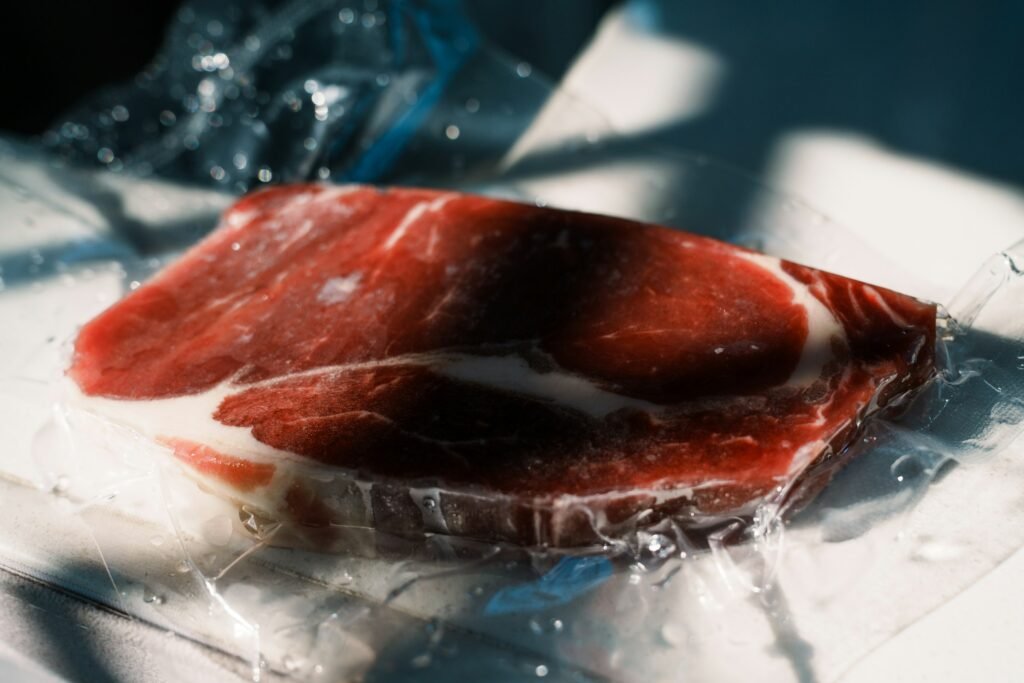
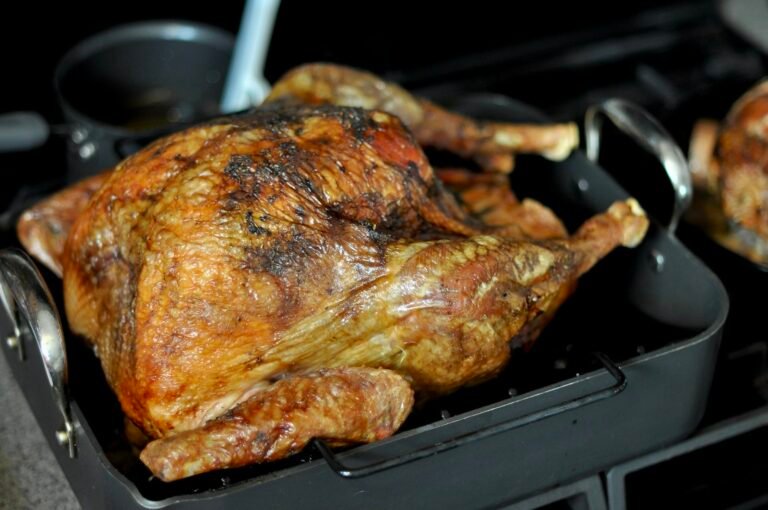
November and December are when a vacuum sealer earns its spot on the counter. You buy the turkey, ham and family packs of chicken in bulk, cook far more than anyone can eat, and then stare at a fridge full of leftovers. Sealing them flat and freezing them keeps air off the food, which is what causes freezer burn. This guide to the best vacuum sealer for your kitchen covers eight picks: two FoodSaver machines, a cordless FoodSaver handheld, a budget compact sealer, the Anova sealer for sous vide, a NESCO built for liquids, a chamber vacuum sealer and a pack of bag rolls. You will also find a freezer storage time chart, a list of foods you should not vacuum seal, a holiday leftovers plan and a short guide to bag costs. Planning the big meal? Start with our Christmas dinner cost breakdown. Running out of room for sealed packs? Our best chest freezer guide covers 3.5 to 17 cu ft models, garage-ready picks and chest freezer vs upright.
Best vacuum sealer comparison table
Every detail below comes from the Amazon product listings: the type of sealer, the widest bag or seal bar listed, the wet or dry settings, whether rolls store inside with a cutter, and whether there is an accessory port for jars and canisters. We left prices out because they change often; use the links to see the current price.
| Vacuum sealer | Type | Seal / bag width (listed) | Wet / dry | Roll storage + cutter | Accessory port | |
|---|---|---|---|---|---|---|
| FoodSaver V4400 2-in-1 Best Overall | Automatic countertop | 11-inch rolls (starter roll 11 in x 10 ft) | Automatic moisture detection | Yes | 2-in-1 with zipper bags | Check current price on Amazon |
| MEGAWISE VS6621 Best Budget Compact | Compact countertop, 80 kPa | 12-inch sealing wire | Dry, Moist, Pulse | Cutter only | Hose included | Check current price on Amazon |
| Anova Precision Vacuum Sealer Pro Best for Sous Vide | Countertop, one-hand clamp | Full roll stored inside (19 ft included) | Dry, Moist, Pulse, double seal | Yes | Yes, port + hose | Check current price on Amazon |
| FoodSaver FM2100 Best Value FoodSaver | Countertop, one-touch | 11-inch rolls (starter roll 11 in x 10 ft) | Dry and Moist | Yes | Yes, port + hose | Check current price on Amazon |
| NESCO VS-22LB Best for Soups and Liquids | Countertop, 250-watt motor | Wide double heat seal bar | 7 modes incl. Liquid, Gentle, Marinate | Yes | Yes, port + adapter hose | Check current price on Amazon |
| FoodSaver Mini Handheld Best Handheld | Cordless handheld with dock | Zipper bags and containers | Marinate mode (container only) | No | Seals zipper bags/containers | Check current price on Amazon |
| Avid Armor USV32 Best Chamber Sealer | Chamber, stainless steel | 11.5-inch dual-wire bar | Liquids sealed in chamber | No | Yes, external hose port | Check current price on Amazon |
| FoodSaver Rolls Multipack Best Bag Rolls | Accessory: 5 heat-seal rolls | Two 8-inch + three 11-inch rolls | For FoodSaver sealers | Cut to length | n/a | Check current price on Amazon |
The 8 best vacuum sealers for 2026
We grouped the picks by job instead of forcing them onto one scale. A cordless handheld and a stainless chamber sealer can both be the best vacuum sealer for a given kitchen, just not the same kitchen. Decide first what you will seal most often: dry cuts of meat and cheese, wet leftovers and soups, or sous vide portions. Then check bag width, roll storage and whether you want an accessory port for jars.
1. FoodSaver V4400 2-in-1 Vacuum Sealer Machine
The FoodSaver V4400 is our pick for the best vacuum sealer for most households because it removes the two steps beginners get wrong. Automatic bag detection means you slide the open end of the bag into the vacuum channel and the machine takes over; there is no clamping and no guessing when to press Seal. Automatic moisture detection senses wet food, such as marinated chicken or a cut of brisket in its juices, and switches to the right mode so the seal still forms.
The built-in roll storage and cutter let you make bags to the exact length of a turkey breast or a stack of burgers, which saves bag material. LED lights guide you through each step, and a patented removable drip tray catches any overflow and is dishwasher-safe. The starter kit in the listing includes an 11-inch x 10-foot roll, three quart and two gallon heat-seal bags, plus three quart and two gallon vacuum zipper bags for the 2-in-1 handheld function, so you can seal deli meat and cheese you open every day.
- Automatic bag detection: no clamping
- Automatic moisture detection for wet foods
- Roll storage and cutter built in
- Removable, dishwasher-safe drip tray
- Large footprint for a small counter
- Uses 11-inch rolls, so very wide cuts need trimming or folding
Best for: Families who buy meat in bulk and want a sealer anyone in the house can use without reading the manual
Check current price on Amazon →2. MEGAWISE VS6621 Compact Vacuum Sealer Machine
If you want a capable machine without giving up a lot of counter space, the MEGAWISE VS6621 is the budget vacuum sealer to look at. The listing gives an 80 kPa suction figure from a DC motor pump, and the body measures about 15.2 x 4.1 x 2.3 inches and weighs about 2.3 pounds, so it slips into a drawer. It still covers the important settings: Dry mode for solid foods, Moist mode for poached, simmered or steamed food (the listing says it can pull out as much as 10 ml of liquid), Vac Pulse for delicate or marinated items, and Seal for chip bags and snack leftovers.
A one-touch Vac/Seal button finishes most bags in about 10 to 20 seconds, and the 12-inch sealing wire is long enough to seal several narrow bags side by side. A built-in cutter trims bags to size, ten bags are included to get you started, and a vacuum hose lets you pull air out of compatible storage jars and wine stoppers. There is no roll storage inside, so keep your roll in a drawer next to it.
- Slim, light body for small kitchens
- Dry, Moist, Pulse and Seal-only settings
- 12-inch sealing wire
- Accessory hose for jars and bottles
- No built-in roll storage
- Manual lid latch, not automatic bag detection
Best for: Apartments, first kitchens and anyone who seals a few times a month
Check current price on Amazon →3. Anova Culinary Precision Vacuum Sealer Pro
For sous vide cooks, the Anova Precision Vacuum Sealer Pro is the best vacuum sealer in this guide. The listing stresses one-hand use: you can clamp the bag, vacuum and seal with a single hand while the other holds a juicy steak or a bag of short ribs upright. Switching to the wet function lowers the suction and uses a double seal, which is what you want for marinated proteins that would otherwise pull liquid into the seal.
Open the hinged lid and you find a full roll of bags (a 19-foot roll is included) with a sliding cutter, and the cord tucks into storage underneath. An accessory port and hose let you seal canning jar lids, vacuum containers and wine bottles. Modes listed are Vacuum and Seal, Moist, Dry, Seal and Pulse. It pairs naturally with any immersion circulator, Anova or otherwise.
- One-hand clamp, vacuum and seal
- Wet mode with double seal
- Roll storage, cutter and cord storage
- Accessory port and hose
- Bigger than Anova’s minimalist sealer
- More features than you need if you only freeze dry foods
Best for: Sous vide cooks, meal preppers and anyone who marinates before freezing
Check current price on Amazon →4. FoodSaver FM2100 Vacuum Sealer Machine
The FoodSaver FM2100 is the simpler, one-touch sibling to the V4400. You lift the lid, place the bag, close and press one button. Dual heat sealing strips help produce an airtight seal, and you choose Dry or Moist by hand. The built-in roll storage and cutter let you size bags to fit, which minimizes bag waste.
Its standout feature is the accessory port and hose included in the box. That opens up FoodSaver canisters, jar sealers and the separate handheld sealer, so the FM2100 can grow with you. The package includes an 11-inch x 10-foot roll, three quart bags and two gallon bags, and the listing mentions a 5-year limited warranty. It is a good fit for everyday leftovers, bulk shopping and pantry items like coffee or nuts.
- One-touch operation
- Accessory port and hose included
- Roll storage and cutter
- 5-year limited warranty listed
- Moist mode is manual, not automatic
- No pulse or gentle setting for delicate foods
Best for: Households who want a FoodSaver with roll storage and an accessory port without paying for automation
Check current price on Amazon →5. NESCO VS-22LB Premium Vacuum Sealer with LiquidLock
Most external vacuum sealers struggle with liquids, because the pump pulls broth toward the seal bar. The NESCO VS-22LB is built around that problem. Its LiquidLock technology and dedicated Liquid mode slow the movement of liquid during sealing, which the listing says helps you seal soups, stews, marinades and sauces without mess. That makes it a strong candidate for the best vacuum sealer for meat if you buy family packs and also freeze turkey soup and gravy after the holidays.
You get seven functions (Dry, Liquid, Normal, Gentle, Marinate, Canister and Pulse), a wide double heat seal bar driven by a 250-watt motor, a removable drip tray, an LED progress display and a lid that opens and closes with one hand. Rolls store inside with a sliding cutter, and the box includes an accessory port with adapter hose, 60 feet of rolls (three 20-foot rolls) and a variety of 50 bags, so you can start sealing a big shopping trip right away.
- Liquid mode with LiquidLock
- Seven sealing functions incl. Gentle and Marinate
- Wide double heat seal bar, 250-watt motor
- Large starter kit of rolls and bags
- More buttons to learn than one-touch models
- Bigger machine to store
Best for: Batch cooks, hunters and families who freeze soups, chili and bulk meat
Check current price on Amazon →6. FoodSaver Mini Handheld Vacuum Sealer with Charging Dock
A handheld sealer does not replace a countertop machine for the freezer, but it is the easiest way to keep everyday food fresher in the fridge and pantry. The FoodSaver Mini is cordless and lives on a charging dock. You press it onto the valve of a FoodSaver zipper bag or container and it pulls the air out. The listing says it fully charges in about 2.5 hours and seals up to 35 quart bags per charge, and color-coded LED lights show sealing progress, charging status and battery level.
Its Auto Marinate Mode works inside the included Marinate Container to infuse flavor in minutes instead of hours. Note the listing’s warning: liquids belong only in the Marinate Container, not in zipper bags. The kit includes two quart zipper bags, two reusable quart zipper bags and a 3-cup container, which makes it a good add-on for opened cheese, deli meat, cut vegetables and nuts.
- Cordless, stores on a charging dock
- Up to 35 quart bags per charge (listed)
- Auto Marinate Mode in the container
- Reusable zipper bags included
- Needs FoodSaver zipper bags or containers
- Not for liquids outside the Marinate Container
Best for: Small households, daily fridge and pantry storage, and quick marinating
Check current price on Amazon →7. Avid Armor USV32 Chamber Vacuum Sealer
A chamber vacuum sealer works differently from the other machines here. The whole bag sits inside a chamber, and the machine removes air from the chamber and the bag at the same time, so pressure stays equal and liquid stays in the bag. The listing calls out soups, sauces and juicy meats sealed with zero mess, which is exactly what external sealers find hardest.
The USV32 has a stainless steel chamber, a tempered glass lid so you can watch the cycle, and an 11.5-inch dual-wire sealing bar for thick pouches. A one-touch automatic cycle keeps things simple, a rapid marinate mode drives marinade into meat in minutes, and an external accessory hose port handles jars. It is the most serious machine in this guide and the one to consider if you seal large amounts after a hunt or a bulk meat order.
- Seals soups and liquids in the bag
- Stainless chamber with glass lid
- 11.5-inch dual-wire seal bar
- External hose port for jars
- Heavier and larger than external sealers
- Bag width limited by the 11.5-inch bar
Best for: Hunters, bulk buyers and cooks who freeze a lot of wet food
Check current price on Amazon →8. FoodSaver Custom Length Vacuum Sealer Bag Rolls, 5-Pack
Every sealer above needs bags, and rolls are the most flexible way to buy them. This FoodSaver multipack includes two 8-inch rolls and three 11-inch rolls that you cut to any length, so a single chicken breast does not use a gallon-size bag. The listing says the rolls are made in the USA, BPA-free, and safe for the freezer, refrigerator, microwave and dishwasher, and that they help prevent freezer burn compared with ordinary storage.
The rolls are designed for FoodSaver vacuum sealing systems, which covers picks 1, 4 and the FoodSaver accessory line. Most other external sealers in this guide also take textured rolls up to their listed width, but check your manual first. Chamber sealers like the Avid Armor generally use smooth chamber pouches instead.
- Cut-to-length rolls reduce waste
- Two widths: 8 and 11 inches
- BPA-free, made in USA (listed)
- Freezer, fridge, microwave and dishwasher safe (listed)
- Not for chamber sealers
- Narrow 8-inch rolls fit small portions only
Best for: Anyone stocking up on bags before a holiday cook or a bulk meat shop
Check current price on Amazon →How long does vacuum sealed meat last in the freezer?
Short answer: food kept frozen at 0°F stays safe indefinitely, according to USDA FSIS. The storage times you see on charts are about quality: flavor, texture and moisture. FSIS explains that freezer burn is caused by air reaching the surface of the food, and that proper packaging helps maintain quality. Vacuum sealing removes most of that air, so sealed meat usually holds its quality toward the top of the USDA ranges below, and often longer. FoodSaver’s listings go further and claim meat can last up to 3 years in the freezer; treat that as a manufacturer claim, not a food safety rule.
The chart uses the USDA FSIS freezer storage chart (0°F) for the regular-packaging column. The vacuum sealed column is general guidance from how freezer burn works, not a USDA number. For specific foods, check the USDA FoodKeeper app.
| Food (frozen at 0°F) | Regular freezer bag or wrap (USDA FSIS, for best quality) | Vacuum sealed (general guidance) |
|---|---|---|
| Steaks, chops, roasts (uncooked) | 4 to 12 months | Top of the range or longer; little freezer burn |
| Ground meat (uncooked) | 3 to 4 months | Toward 4 months and beyond; press flat before sealing |
| Whole poultry, uncooked (turkey, chicken) | 12 months | 12 months or longer if the bag stays intact |
| Poultry parts, uncooked | 9 months | Top of the range; wrap sharp bones |
| Bacon and sausage | 1 to 2 months | Toward the top of the range; fat still slowly goes stale |
| Ham, hot dogs, lunch meat | 1 to 2 months | Toward the top of the range; freeze unopened packs as is |
| Cooked meat and poultry (holiday leftovers) | 2 to 4 months | Top of the range; less ice crystal damage |
| Soups, stews, gravy | 2 to 3 months | Pre-freeze flat, then seal; top of the range |
| Casseroles and side dishes | 2 to 3 months | Top of the range; pre-freeze in a pan, then seal |
| Wild game, uncooked | 8 to 12 months | Top of the range or longer |
A few rules apply no matter which sealer you use. Freeze food while it is at peak quality, not at the end of its fridge life. Keep the freezer at 0°F or colder. If a sealed bag tears in the freezer, FSIS says the food is still safe; just rewrap it. And remember the fridge is a different story: vacuum sealing does not turn a 1-to-2-day item like raw ground beef or chicken into a 2-week item. Follow normal refrigerator times and freeze anything you will not cook soon. Need more cold storage for bulk buys? Our best mini fridge guide includes models with a freezer compartment.
What you can and can’t vacuum seal
Vacuum sealing creates a low-oxygen package. That stops freezer burn, but it does not stop every germ. Clostridium botulinum, the bacterium behind botulism, grows without oxygen in low-acid foods held above freezing. CDC lists chopped garlic in oil among the foods linked to botulism and advises refrigerating homemade garlic or herb oils and throwing them away after 4 days. Use the lists below as general guidance and freeze rather than refrigerate when in doubt.
Great for vacuum sealing
- Raw meat, poultry and fish for the freezer, portioned for one meal
- Cooked holiday leftovers such as sliced turkey, ham and roast beef, once cooled
- Hard cheeses like cheddar and Parmesan, in the fridge
- Dry pantry goods such as coffee beans, nuts, flour and crackers (use Pulse so crackers do not crush)
- Blanched vegetables for the freezer; USDA FSIS notes most vegetables need a brief blanch before freezing
- Soups, stews and sauces after pre-freezing flat, or in a chamber sealer
Seal with caution, or not at all
- Raw garlic and raw mushrooms: both are low-acid and can carry soil bacteria. Do not keep them vacuum sealed in the fridge; cook or freeze them, or store them loosely.
- Soft cheeses such as brie, camembert, ricotta and fresh mozzarella: they can be crushed by the vacuum and are low-acid, moist foods. Keep them in their own packaging and eat them quickly.
- Raw cruciferous vegetables like broccoli, cabbage and cauliflower give off gases that can puff the bag. Blanch and freeze them instead.
- Hot food: cool leftovers in shallow containers in the fridge first. FSIS says to refrigerate cooked food within 2 hours.
- Fresh bread and soft baked goods: the vacuum squashes them. Freeze first, then seal, or use Pulse.
How to choose the best vacuum sealer for food
The best vacuum sealer for food storage depends on what you seal and how often. These are the specs worth comparing on any listing:
- Type: external (edge) sealers like the FoodSaver, MEGAWISE, Anova and NESCO are compact and affordable to run. A chamber sealer handles liquids best but is heavier. A handheld only works with valve zipper bags and containers.
- Seal bar width: 11 to 12 inches covers most home use. If you seal whole briskets or large fish, check the widest bag the machine accepts.
- Wet and dry modes: a Moist or Liquid setting changes timing and heat so the seal forms through a little moisture. Automatic moisture detection, as on the V4400, removes the guesswork.
- Pulse and Gentle: manual pulse lets you stop before crushing berries, bread or crackers.
- Roll storage and cutter: saves time and bag material when you seal often.
- Accessory port: a hose port lets you vacuum canisters, mason jar lids and wine stoppers.
- Drip tray: a removable, washable tray makes cleanup after raw meat much easier.
- Batch work: external sealers need short breaks between bags during long sessions; check the manual before sealing a whole bulk order in one go.
Rule of thumb: if you mostly freeze dry cuts and leftovers, an external sealer is plenty. If soups, chili and marinated meat are a big part of your freezer, the NESCO with Liquid mode or a chamber sealer like the Avid Armor will save you frustration.
Best vacuum sealer for meat: tips for bulk buys
Warehouse-club family packs and holiday meat sales are where the best vacuum sealer for meat pays for itself. A simple routine keeps the seals strong and the meat easy to use:
- Portion first. Seal one meal per bag: four chicken thighs, two steaks or one pound of ground beef pressed flat about half an inch thick. Flat packs freeze and thaw faster and stack neatly.
- Pat dry or pre-freeze. Blot surface moisture, or freeze juicy cuts on a sheet pan for 1 to 2 hours before sealing so liquid does not reach the seal.
- Protect bones. Fold a paper towel over sharp bones on ribs, chops or turkey legs so they do not puncture the bag.
- Leave headspace. Leave about 3 inches of empty bag above the food so the bag lies flat in the seal channel.
- Double seal when in doubt. Add a second seal line just above the first for long freezer storage or sous vide.
- Label everything. Write the cut, weight and date on the bag before you fill it.
Keep raw meat away from ready-to-eat foods while you work, wipe the drip tray and seal area afterwards, and bag the packaging trash right away. A lidded, washable bin from our best kitchen trash cans guide helps keep raw-meat wrappers from smelling up the kitchen.
Holiday leftovers plan: seal it, freeze it, use it

After Thanksgiving and Christmas dinner, most households have more food than they can finish in the 3 to 4 days USDA FSIS allows for refrigerated leftovers. Here is a simple plan using any vacuum sealer:
- Within 2 hours of dinner: carve the turkey off the bone, divide food into shallow containers and refrigerate, per FSIS leftovers guidance.
- Day 1: decide what you will eat in the next 3 days. Everything else gets sealed.
- Sliced turkey and ham: seal in 1- or 2-serving flat packs for sandwiches and quick dinners.
- Gravy, stock and soup: pour into a freezer-safe container or muffin tin, freeze solid, then seal the blocks.
- Stuffing, mashed potatoes and casseroles: freeze in a lined pan, lift out, then seal.
- Pie and cookies: freeze unwrapped first, then seal on Pulse to avoid crushing.
- Label and rotate: mark the date and plan to use cooked leftovers within about 3 to 4 months for best quality.
Thaw sealed leftovers in the refrigerator, or in cold water in the sealed bag, and reheat to 165°F. If you are still shopping for the meal itself, our Christmas dinner cost guide shows where buying in bulk and freezing can save money, and our best slow cookers roundup is handy for turning frozen turkey into soup in January. Cooking sealed meat sous vide or on the smoker? Our best wireless meat thermometer for smoker guide covers probes that track the internal temperature.
Best vacuum sealer for sous vide
Sous vide cooking means sealing food in a bag and cooking it in a precisely heated water bath. A vacuum sealed bag sinks, touches the food on all sides and transfers heat evenly. The best vacuum sealer for sous vide has three things: a Moist or wet mode for marinades, a strong double seal for long cooks, and Pulse so you can stop before pulling sauce into the seal. The Anova Precision Vacuum Sealer Pro checks all three, and the FoodSaver V4400 and NESCO VS-22LB do well too.
- Use bags made for sous vide, such as the FoodSaver rolls in this guide, which list sous vide use.
- Chill or freeze marinades before sealing so liquid stays put.
- Add a second seal line for cooks longer than a few hours.
- Seal portions flat and sous vide straight from the freezer; just add cook time.
- No sealer yet? The water-displacement method with a heavy zipper bag works for short cooks.
Cooking grains alongside? Batch-cooked rice freezes well in flat sealed packs; our best rice cookers guide has models with keep-warm and timer settings for meal prep days.
Vacuum sealer bag costs: rolls, pre-cut bags and reusable options
Bags are the ongoing cost of owning any vacuum sealer, so it pays to plan how you will buy them. We are not listing prices because they change, but the trade-offs are steady:
- Rolls: cut to the exact length you need, so less plastic is wasted on small portions. Best value for people who seal every week. Most external sealers store a roll inside.
- Pre-cut bags: faster to use and handy for standard quart and gallon portions, but you pay for the convenience and often seal more bag than food.
- Reusable zipper bags and containers: for handheld sealers and accessory ports. They cost more up front but can be washed and reused for fridge and pantry items. Do not reuse bags that held raw meat, fish or eggs.
- Chamber pouches: chamber sealers use smooth pouches rather than the textured bags external sealers need, which can lower your per-bag cost if you seal in big batches.
- Brand vs generic: most external sealers accept textured bags from other brands up to their listed width. Check the manual to keep the warranty happy.
A simple way to stretch bags: leave a little extra length, cut just below the old seal when you open a bag of dry goods, and reseal it with the sealer.
How we chose the best vacuum sealers
We did not test these vacuum sealers hands-on. To build this list of the best vacuum sealer options, we started from popular Amazon listings in the vacuum sealer category, then read each product page for type, seal bar or bag width, wet and dry settings, roll storage, cutter, accessory port, included bags and listed warranty. We aimed for a mix of jobs: an automatic FoodSaver, a value FoodSaver, a budget compact sealer, a sous vide sealer, a liquid-friendly NESCO, a cordless handheld, a chamber sealer and a bag pack. Freezer times and food safety notes come from USDA FSIS, the USDA FoodKeeper app and CDC. No brand paid for placement, and we left out prices because they change.
Helpful resources: USDA FSIS: Freezing and food safety, USDA FSIS: Leftovers and food safety, FoodSafety.gov: USDA FoodKeeper app and CDC: Botulism prevention.
Best vacuum sealer FAQ
What is the best vacuum sealer for food storage at home?
For most homes, the best vacuum sealer for food storage is the FoodSaver V4400, because it detects the bag and moisture automatically and stores a roll with a cutter. The MEGAWISE VS6621 is a compact budget alternative with dry, moist and pulse modes.
What is the best vacuum sealer for meat?
For bulk meat, pick a sealer with a wide double seal, a moist mode and a drip tray. The NESCO VS-22LB adds a Liquid mode for juicy cuts and soups, the FoodSaver V4400 handles moisture automatically, and the Avid Armor USV32 chamber sealer is the step up for hunters and big batches.
What is the best vacuum sealer for sous vide?
The Anova Precision Vacuum Sealer Pro is our pick for sous vide. It seals one-handed, has a wet mode with a double seal for marinades, stores a full roll inside and has an accessory port. Double seal bags for long cooks.
How long does vacuum sealed meat last in the freezer?
Frozen at 0°F, meat stays safe indefinitely; storage times are about quality. USDA FSIS lists 4 to 12 months for uncooked steaks and roasts, 3 to 4 months for ground meat and 12 months for whole poultry. Vacuum sealing limits the air that causes freezer burn, so sealed meat usually keeps its quality toward the top of those ranges or longer.
What foods should you not vacuum seal?
Use caution with raw garlic, raw mushrooms and soft cheeses such as brie, ricotta and fresh mozzarella, because low-oxygen packaging can favor bacteria like Clostridium botulinum in moist, low-acid foods. Freeze them or store them loosely instead. Also blanch cruciferous vegetables and cool hot food before sealing.
Is a chamber vacuum sealer better than a FoodSaver?
A chamber vacuum sealer is better for liquids like soups and marinades, and its smooth pouches can cost less per bag. An external sealer like a FoodSaver is smaller, lighter and easier to store, and is all most households need for dry cuts and leftovers.
Also Explore
Latest Posts
 Best Boot Tray for Winter (2026): 8 Picks for Snowy, Muddy Entryways
 Best Watch Winder for Automatic Watches (2026): 7 Quiet Picks and a Gift Guide for Him
 Best Ice Ball Maker for Whiskey: 8 Clear Picks (2026 Gift Guide)
 Best Luxury Hair Perfume for Women: 8 Designer Hair Mists Worth Gifting (2026)
 Best Garment Racks With Covers (2026): Rolling, Heavy-Duty and Dust-Proof Clothes Racks
 Best Tennis Bracelets on Amazon (2026): CZ, Moissanite and Lab-Grown Diamond Gifts for Her