Roof Replacement Cost Calculator (2026)
Quick answer
For a typical 2,000 sq ft roof, an asphalt shingle replacement costs about $9,000 to $15,000 in 2026. Metal roofs run about $14,000 to $36,000, and tile about $20,000 to $40,000. Use the calculator below to estimate your own roof.
Roof Replacement Cost Calculator
Enter your home size and choices. You get an estimated price range for a full replacement, including tear-off and disposal.
This is a planning estimate, not a quote. Permits, rotted decking, gutters and chimney flashing can add to the final price. Get at least three written quotes from licensed local roofers.
Want the details behind these numbers? Read our full roof replacement cost guide, or compare metal roofs vs. shingles.
How this calculator works
- Roof size. If you enter your home size, we divide it by the number of stories to get the footprint, then add extra area for the roof slope and about 10% for overhangs. If you know your roof size, we use it directly.
- Material. We multiply the roof size by an installed price range per square foot for the material you pick. These ranges include labor, underlayment, one layer of tear-off and disposal.
- Adjustments. We adjust for roof shape, a second layer of old shingles, and how expensive labor is in your area.
Roof replacement cost per square foot by material
| Material | Installed cost per sq ft | Cost per square (100 sq ft) | 2,000 sq ft roof |
|---|---|---|---|
| Asphalt shingles, 3-tab | $3.50 – $5.50 | $350 – $550 | $7,000 – $11,000 |
| Asphalt shingles, architectural | $4.50 – $7.50 | $450 – $750 | $9,000 – $15,000 |
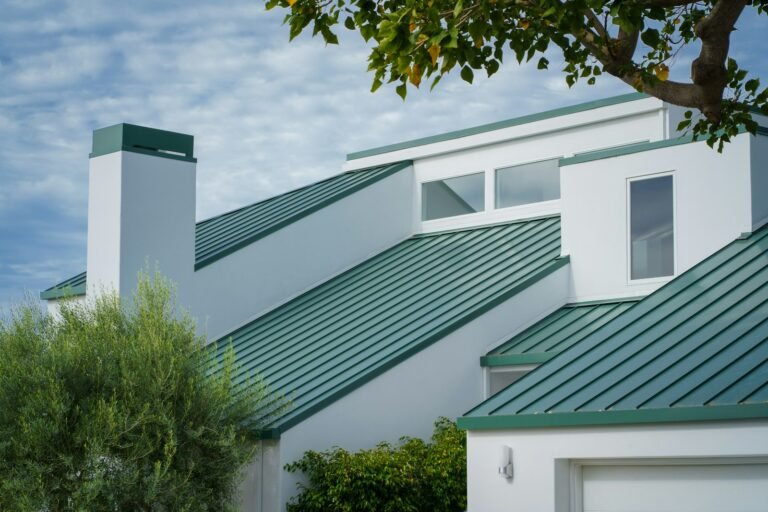
| Metal, steel panels | $7 – $12 | $700 – $1,200 | $14,000 – $24,000 |
| Metal, standing seam | $10 – $18 | $1,000 – $1,800 | $20,000 – $36,000 |
| Concrete or clay tile | $10 – $20 | $1,000 – $2,000 | $20,000 – $40,000 |
What changes the price
- Roof size. Your roof is usually bigger than your floor area because of slope and overhangs.
- Material. The biggest single factor. Tile and standing-seam metal can cost two to three times as much as asphalt.
- Slope. Steep roofs need extra safety gear and take longer, which raises labor costs.
- Shape. Dormers, valleys, skylights and chimneys need more cutting and flashing.
- Tear-off. Removing a second layer of old shingles adds labor and disposal fees.
- Damaged decking. Rotted plywood under the shingles is usually priced per sheet and found only after tear-off.
- Location. Labor costs in big coastal cities can be 15% to 30% higher than the national average.
How to measure your roof in squares
Roofers price jobs by the “square”. One square is 100 square feet of roof surface. A roof with 2,000 sq ft of surface is 20 squares. To get a rough number yourself, multiply your home’s footprint by about 1.1 to 1.4, depending on how steep the roof is. A roofer will measure it exactly, often with satellite images.
Frequently asked questions
Does this include removing the old roof?
Yes. The price ranges include removing one layer of old roofing and hauling it away. If your home has two layers, choose “2 layers” in the calculator.
Is a 2,000 sq ft house the same as a 2,000 sq ft roof?
No. A one-story 2,000 sq ft house usually has about 2,200 to 2,600 sq ft of roof surface because of slope and overhangs. A two-story house of the same size has a much smaller roof.
How accurate is this estimate?
It gives you a realistic range for planning. Your real price depends on your roof’s condition, local permit fees and the contractor. Get at least three written quotes from licensed roofers and compare them with this range.