DIY Canvas Wall Art That Looks Expensive (5 Easy Projects)
Quick answer
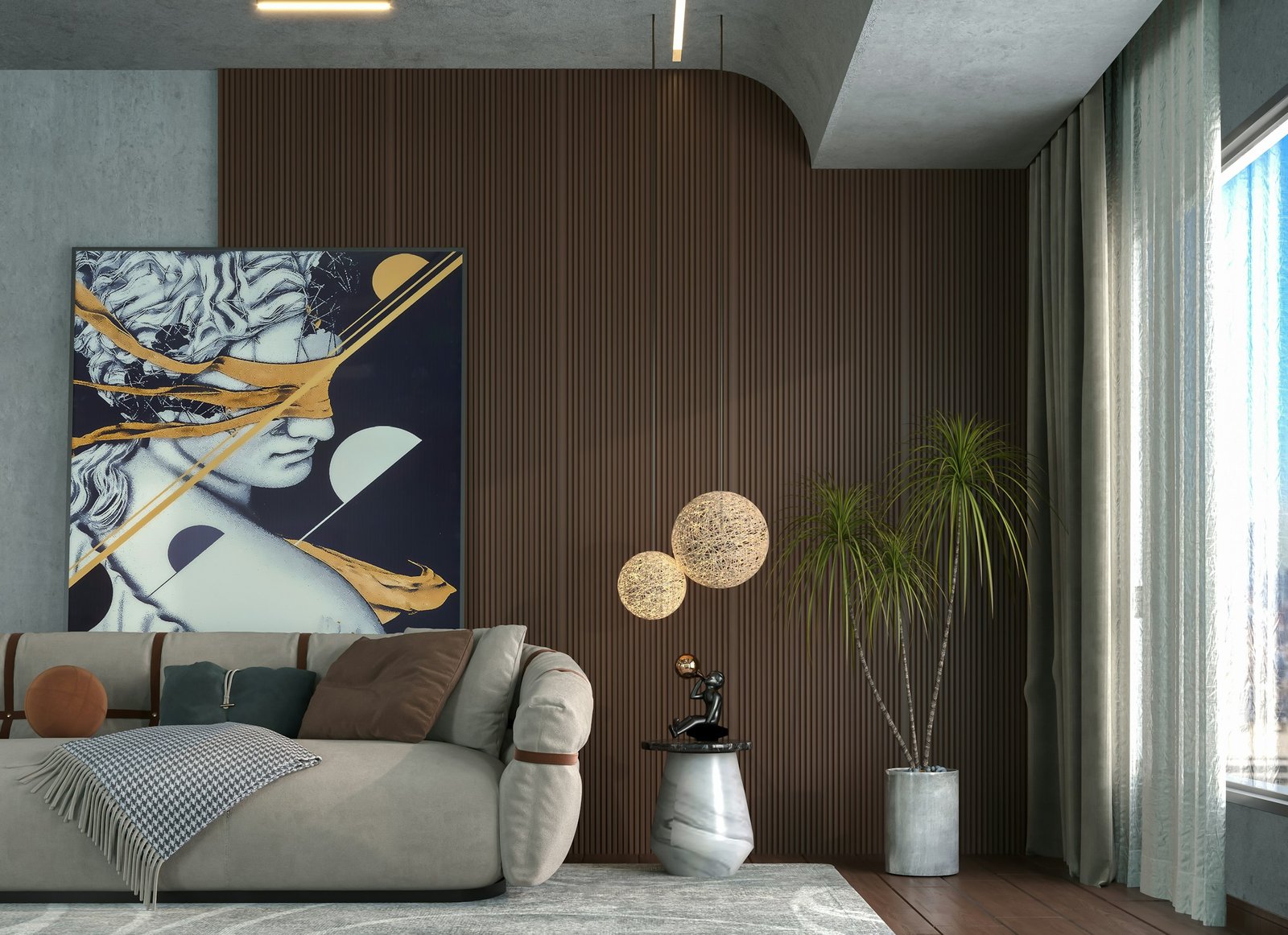
You can make DIY canvas wall art that looks expensive for about $20 to $60 by using a large canvas, a limited neutral palette and texture. The easiest projects are textured plaster or joint compound art, simple abstract shapes in two or three colors, framed fabric or wallpaper, oversized line drawings and repainted thrift-store canvases.
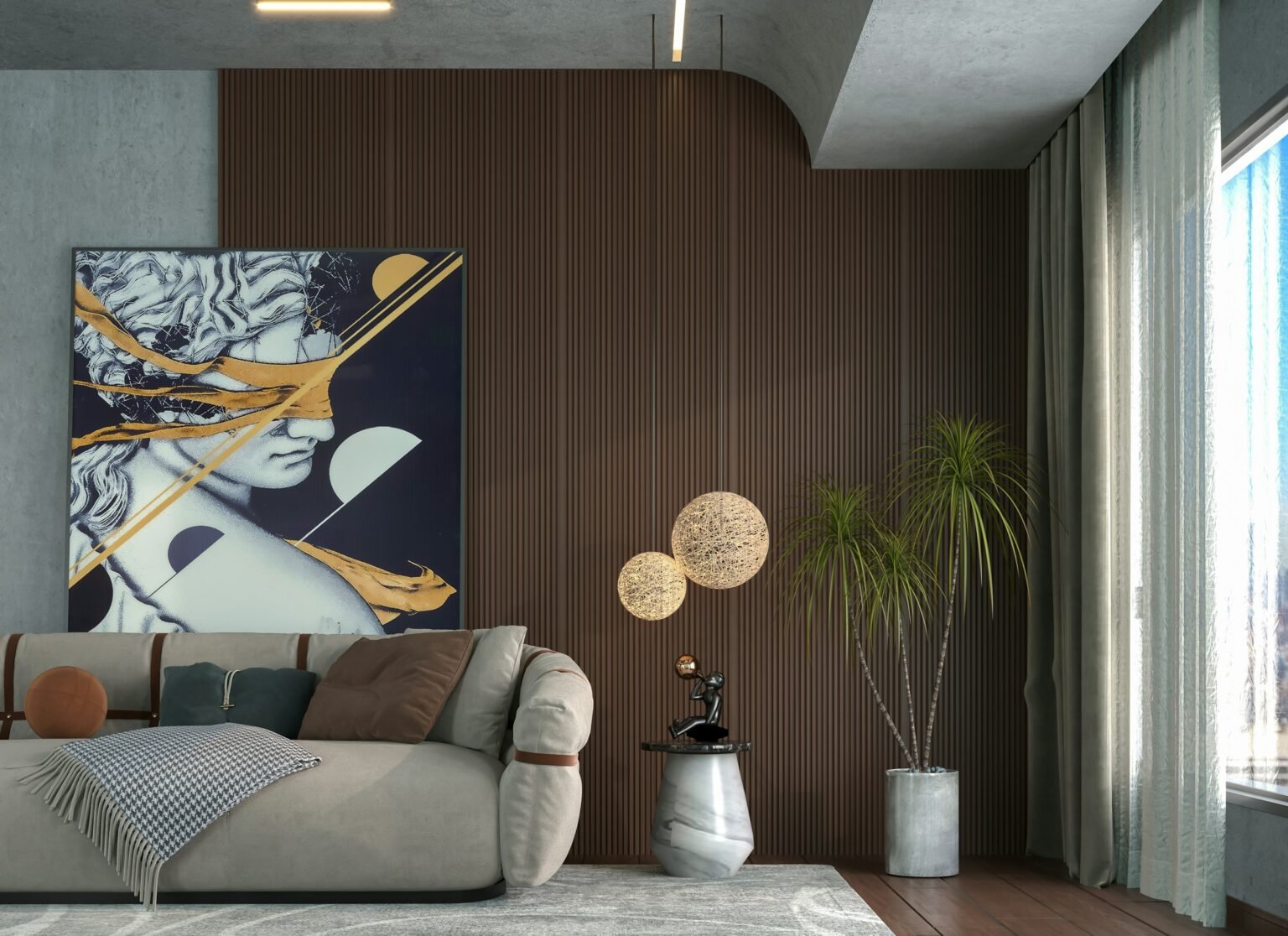
Large art can cost hundreds of dollars, but the trendy textured and abstract pieces you see in designer homes are surprisingly easy to make. Size and texture do most of the work. Here are five DIY canvas wall art projects you can finish in a weekend.
Supplies for most projects
- A large canvas (24×36 inches or bigger), $15 to $40, or a thrifted canvas for a few dollars
- Joint compound or lightweight spackle for texture, about $10
- Acrylic or leftover wall paint in two or three colors
- A putty knife, palette knife and a wide brush
- Optional: a simple wood frame or wood trim to make a floating frame
Big-box craft stores often run 40% to 60% off canvas sales, so stock up then.

5 easy DIY canvas wall art projects
1. Textured plaster art
Spread joint compound over the canvas with a putty knife, make sweeping arcs or simple lines, let it dry overnight and paint it a warm white or greige. This is the look of many $300+ designer pieces. Cost: about $25.
2. Two-color abstract shapes
Paint the canvas a light base, then add two or three soft organic shapes in muted tones like terracotta, olive or charcoal. Keep the edges loose. Cost: about $20.
3. Framed fabric or wallpaper
Stretch a pretty linen, tea towel or wallpaper sample over the canvas and staple it on the back. Add a thin wood frame. Cost: $15 to $35.
4. Oversized line art
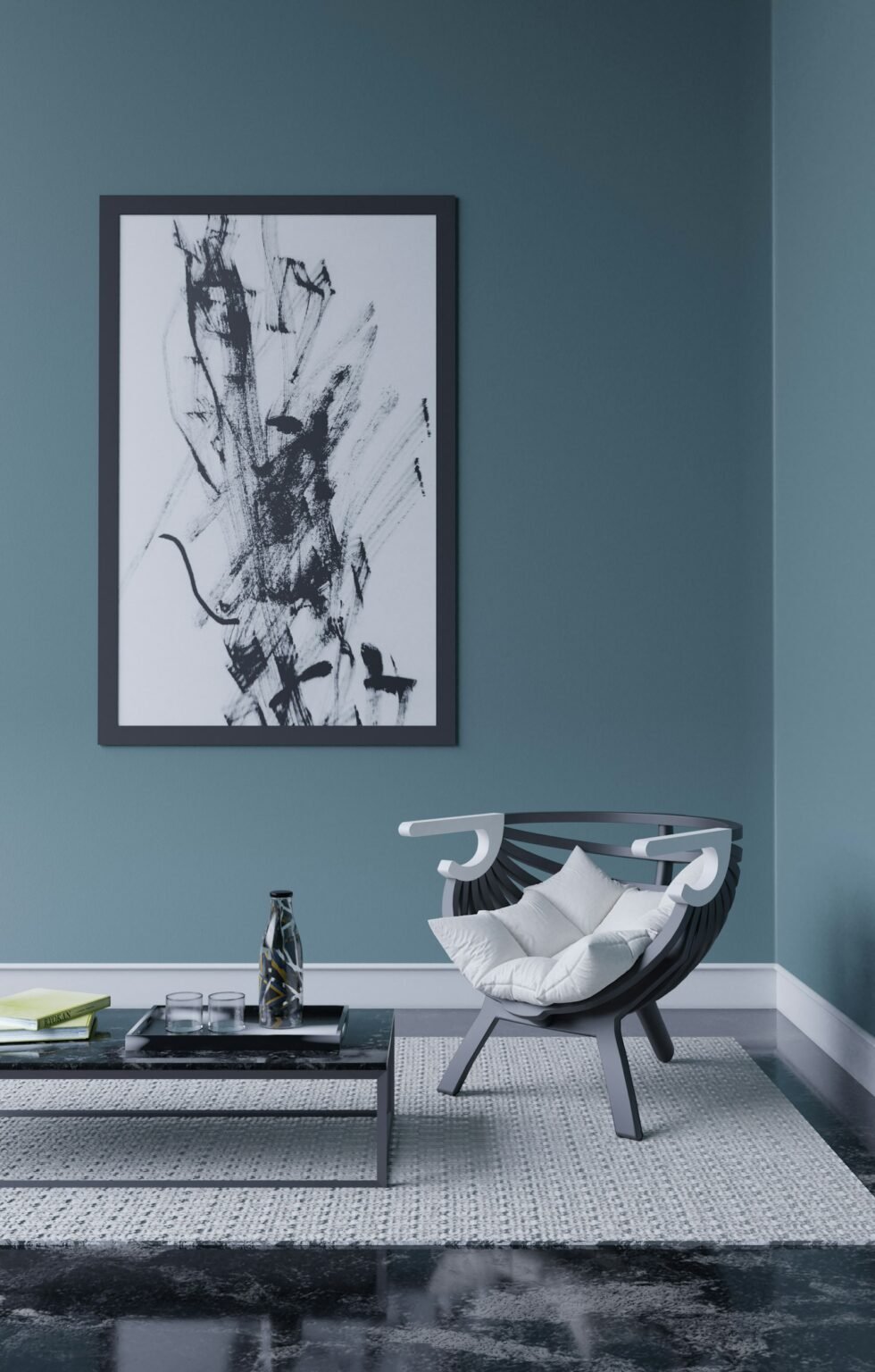
Lightly sketch a face, figure or botanical in pencil, then trace it in one confident line with black paint or a paint marker. Cost: about $20.
5. Thrift-store canvas makeover
Buy a large canvas print at a thrift store, paint over it with a textured base and add a new abstract design. The existing texture adds depth. Cost: $5 to $15.
DIY vs designer art cost
| Piece | DIY cost | Retail look-alike |
|---|---|---|
| Textured plaster 24×36 | $25 | $150 to $400 |
| Abstract shapes 30×40 | $20 to $35 | $120 to $350 |
| Framed fabric art | $15 to $35 | $80 to $200 |
| Line art 24×36 | $20 | $80 to $250 |
How to hang it so it looks high-end
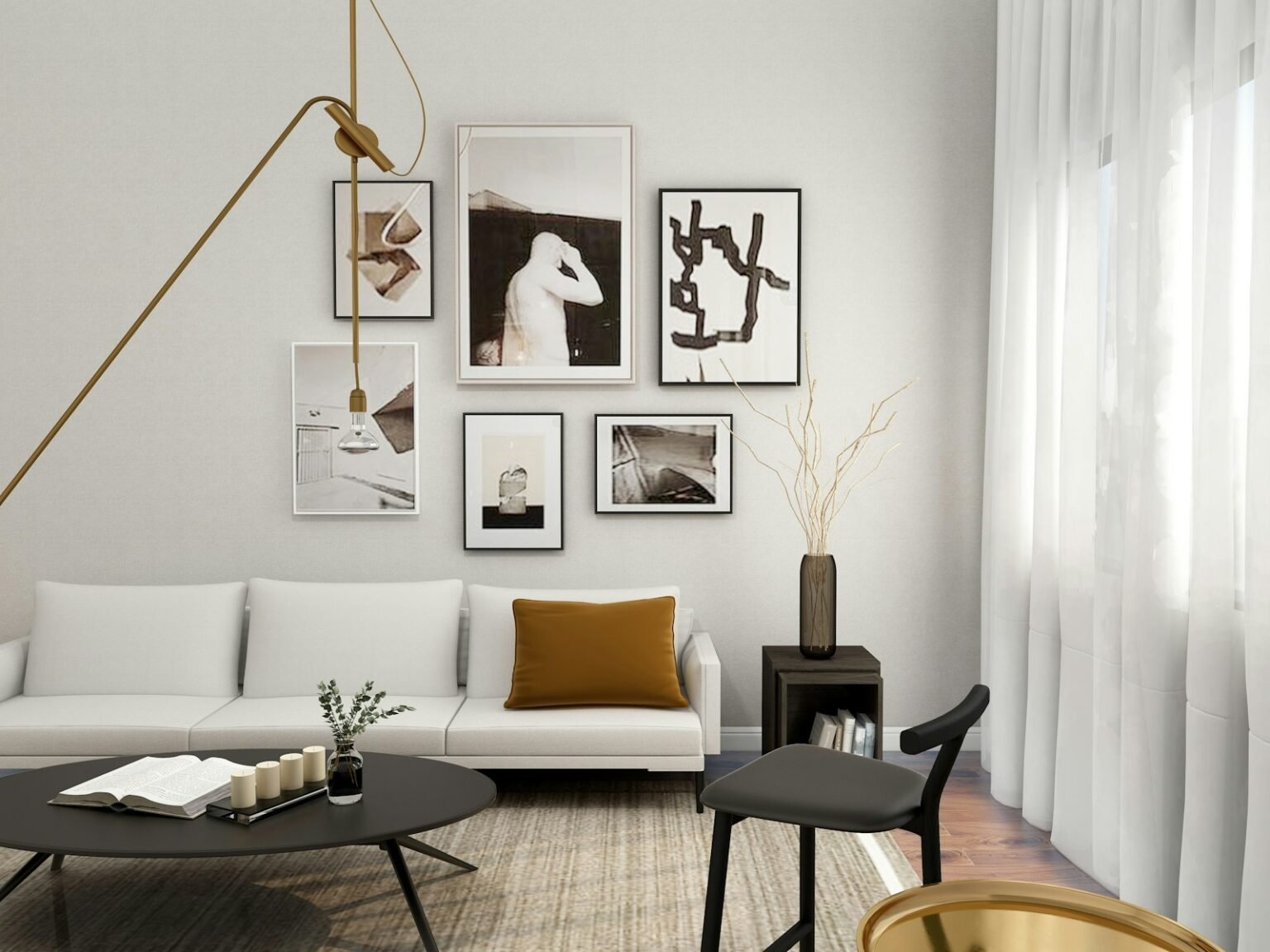
- Hang the center of the art about 57 to 60 inches from the floor.
- Above a sofa, leave 8 to 10 inches between the sofa back and the art.
- Art should be about two-thirds the width of the furniture below it.
- Use two hooks or picture-hanging strips so it stays level.
For more budget designer looks, see our guides to getting a high-end look for less and building a gallery wall on a budget.
Where to buy cheap canvases and frames
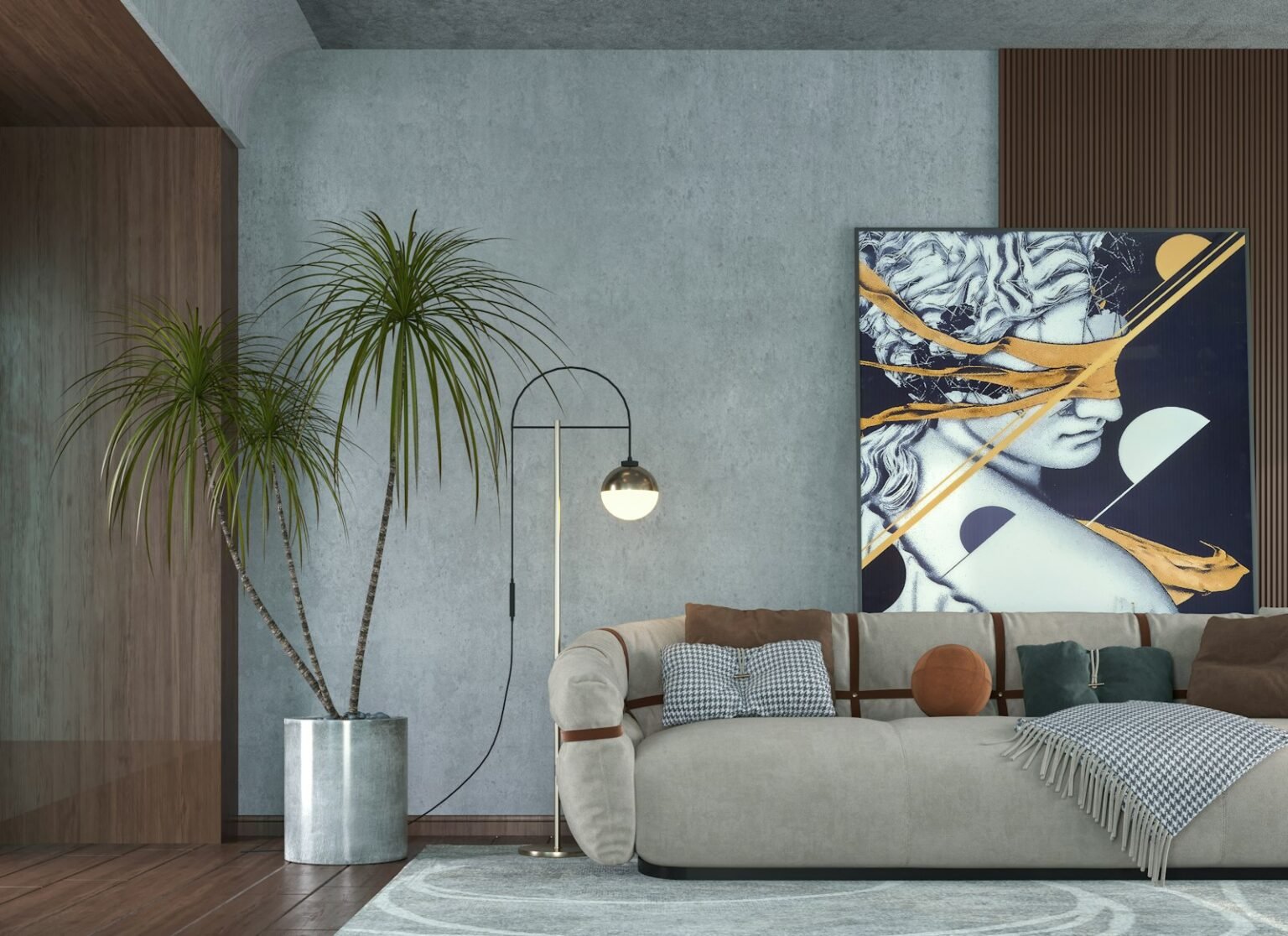
Thrift stores often sell large canvas prints for $5 to $20, which you can paint over. Craft stores run frequent canvas sales, and multi-packs of 16×20 or 24×36 canvases bring the price per piece down. For frames, look for oversized poster frames at discount stores or build a simple floating frame from 1×2 pine boards for about $10, stained to match your decor. Hardware stores also sell joint compound and paint samples, which are cheaper than artist supplies and work just as well for textured art.
Disclosure: As an Amazon Associate I earn from qualifying purchases.
Shop this look
As an Amazon Associate, Team5E earns from qualifying purchases. Prices are typical ranges and change often.
★ Our top picks: Best Framed Wall Art · Best Gallery Wall Frames
Step-by-step: textured DIY canvas wall art
Textured plaster art is the most popular DIY canvas wall art project because it looks high-end and forgives mistakes. Here is the full process, from bare canvas to hanging.
- Prep the space. Lay down a drop cloth or trash bag and set the canvas on two cans so the edges are free.
- Prime if needed. Most store canvases are pre-primed. For a thrifted print, sand lightly and paint a coat of primer or white wall paint first.
- Mix the compound. Stir joint compound until smooth. For a tinted look, mix in a little paint now so color goes all the way through.
- Apply a base layer. Spread a thin, even coat across the whole surface with a putty knife.
- Add texture. While it is wet, make arcs, swoops, ridges or stripes with the knife, a comb or the edge of a card. Keep the pattern simple and repeat it.
- Let it dry. Leave it flat for 12 to 24 hours, longer in humid weather. Thick spots may crack slightly, which adds character.
- Paint or glaze. Brush on one or two coats of your color. For depth, dry-brush a slightly lighter shade over the ridges.
- Seal and frame. A coat of matte clear sealer reduces dust and chipping. Add a floating frame for a finished look.
What size art for your wall?
Size makes or breaks DIY canvas wall art. Use the two-thirds rule from above: art should be about two-thirds the width of the furniture below it.
| Furniture or wall | Typical width | Ideal art width (about 2/3) | Canvas idea |
|---|---|---|---|
| Loveseat | 60 inches | About 40 inches | One 30×40 or two 18×24 side by side |
| Standard sofa | 84 inches | About 56 inches | One 40×60, or two 24×36 |
| Queen bed | 60 inches | About 40 inches | One 30×40 horizontal |
| King bed | 76 inches | About 50 inches | Two 24×36 or three 16×20 |
| Console or dresser | 48 inches | About 32 inches | One 24×36 vertical or horizontal |
| Narrow hallway wall | Varies | Fill about 2/3 of the wall space | Tall 18×36 or a pair of 12×24 |
Color palettes that look expensive
- Warm neutral: warm white, greige and soft taupe for a calm, gallery look.
- Earthy: terracotta, olive and sand, great with wood furniture and plants.
- Monochrome: black line art on white or cream for a modern room.
- Moody: charcoal and deep green for a cozy den or bedroom.
- Coastal: soft blue, sea glass and white for bathrooms and sunrooms.
Pull one color from a pillow, rug or throw in the room so the art looks like it belongs there.
Project planner: time and cost
| Project | Hands-on time | Drying time | Skill level |
|---|---|---|---|
| Textured plaster | About 1 hour | 12 to 24 hours plus paint | Beginner |
| Two-color abstract | About 1 hour | A few hours | Beginner |
| Framed fabric or wallpaper | About 30 minutes | None | Beginner |
| Oversized line art | About 1 hour | A few hours | Beginner to intermediate |
| Thrift canvas makeover | 1 to 2 hours | Overnight | Beginner |
Common mistakes to avoid
- Choosing a canvas that is too small for the wall. When in doubt, go bigger.
- Using too many colors. Two or three tones look more intentional.
- Piling joint compound too thick in one spot, which can crack badly or take days to dry.
- Skipping the sealer on textured pieces, which then shed dust.
- Hanging art too high. Keep the center about 57 to 60 inches from the floor.
- Leaving bare canvas edges visible on a modern piece. Paint the sides or add a simple frame.
Renter-friendly hanging
Lightweight canvases are perfect for renters. Most 24×36 canvases can hang on picture-hanging strips rated for the weight, so you avoid nail holes. For heavier textured pieces or framed art, use a small nail or a single picture hook; one small hole is easy to patch at move-out. You can also lean a large piece on a dresser, console or mantel for a relaxed look.
With a weekend and about $20 to $60, DIY canvas wall art can give a room the finished feel of a designer space. Try one project first, then build a set. For more ideas, see our guides to a gallery wall on a budget and thrift store home decor tips.
Helpful resources: For more on DIY canvas wall art, see the U.S. Consumer Product Safety Commission and EPA indoor air quality.
DIY canvas wall art: frequently asked questions
How do you make canvas art look expensive?
Go big, use a limited neutral palette, add texture with joint compound or plaster, and finish with a simple wood frame.
What size canvas should I use for wall art?
For a sofa or bed wall, use at least 24×36 inches or two matching pieces. Art should fill about two-thirds the width of the furniture below.
Can I use wall paint on canvas?
Yes. Latex wall paint and samples work well for textured and abstract art and cost less than artist acrylics.
How long does textured canvas art take to dry?
Joint compound usually needs 12 to 24 hours to dry before painting, depending on thickness and humidity.
What paint is best for DIY canvas wall art?
Acrylic paint is the most common choice, but latex wall paint and sample pots work well for textured and abstract pieces and cost less. Finish textured art with a matte clear sealer.
How do you make textured art on canvas without plaster?
Use joint compound or lightweight spackle from a hardware store. They are cheaper than artist plaster and easy to spread with a putty knife. Modeling paste also works for smaller pieces.
Sources: CPSC, EPA. Prices are national planning ranges, not quotes. See how we research costs.
Latest Posts
 Best Boot Tray for Winter (2026): 8 Picks for Snowy, Muddy Entryways
 Best Watch Winder for Automatic Watches (2026): 7 Quiet Picks and a Gift Guide for Him
 Best Ice Ball Maker for Whiskey: 8 Clear Picks (2026 Gift Guide)
 Best Luxury Hair Perfume for Women: 8 Designer Hair Mists Worth Gifting (2026)
 Best Garment Racks With Covers (2026): Rolling, Heavy-Duty and Dust-Proof Clothes Racks
 Best Tennis Bracelets on Amazon (2026): CZ, Moissanite and Lab-Grown Diamond Gifts for Her